
Planting
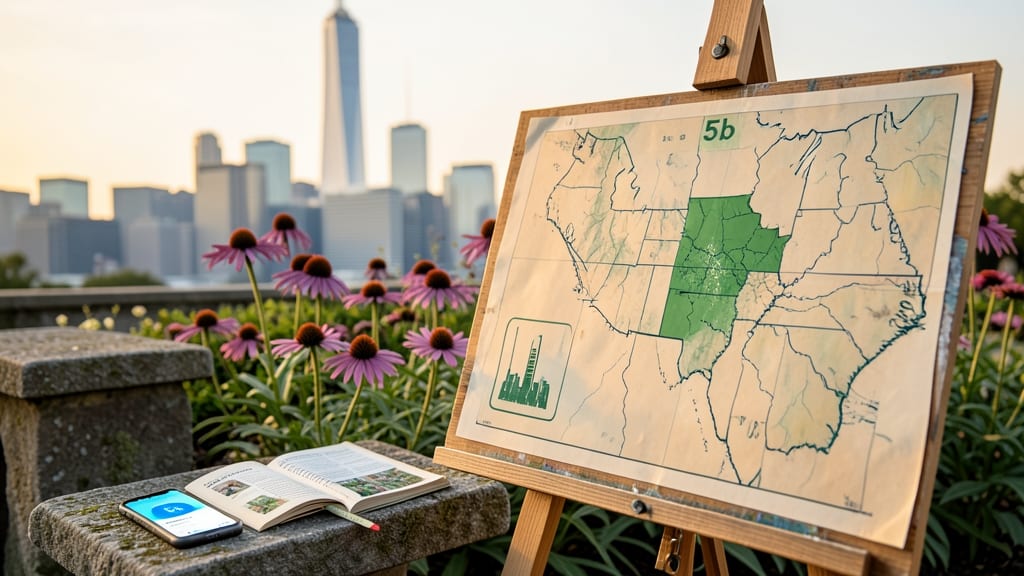
Chicago's gardening zone classification is primarily USDA Hardiness Zones 5b and 6a, with some areas reaching Zone 6b, creating ideal conditions for a diverse range of plants year-round.
Chicago's exact gardening zone isn't uniform—it varies due to the city's unique climate patterns.
The lake effect creates cooler temperatures near the shoreline, while urban areas can experience microclimates up to 5°F warmer than surrounding suburbs. 🌿 For example, the North Side often sees earlier frosts than the South Side, which can shift planting windows by 2-3 weeks.
This variability means gardeners should check their specific neighborhood's frost dates and microclimate before selecting cold-hardy plants.
Understanding these zone differences helps explain why some plants thrive in Chicago while others struggle. The transitional nature of Zones 5b-6b allows for both cold-resistant perennials and slightly warmer-climate annuals, creating opportunities for year-round gardening success.
💡 In This Article
- How Chicago’s Climate Shapes USDA Gardening Zones
- Best Plants for Chicago’s Mixed Zones 5b-6b
How Chicago’s climate shapes USDA gardening zones
The USDA Hardiness Zone classification for Chicago is primarily determined by its average annual minimum temperatures, which range from -15°F to 0°F for Zone 5b and 0°F to 10°F for Zone 6a. This classification reflects Chicago's continental climate, where cold Arctic air masses collide with warmer air from the Gulf of Mexico, creating dramatic temperature swings.
The lake effect—where Lake Michigan moderates temperatures—plays a crucial role, especially in coastal areas like Evanston and Rogers Park, where winters can feel slightly milder due to the lake's heat retention.
Chicago's urban landscape further complicates zone classification.
The urban heat island effect causes downtown areas to experience temperatures up to 5°F warmer than surrounding suburbs, pushing some neighborhoods into Zone 6b. For example, the Loop's concrete and asphalt absorb and radiate heat, delaying frost formation by 1-2 weeks compared to residential areas like Lincoln Park.
This microclimate variation means gardeners in different parts of the city may need to adjust their planting schedules accordingly.
Seasonal temperature shifts also impact Chicago's zones. The city experiences 1,200-1,500 heating degree days annually, with average last spring frost dates ranging from April 15 to May 1 and first fall frost dates between October 15 and November 1.
These variations create a 120-150-day growing season in most areas, though urban heat islands can extend this by 7-10 days. The North Side often sees earlier frosts due to its proximity to the lake, while the South Side benefits from slightly warmer conditions.
Another critical factor is Chicago's wind patterns. The city's location in the "wind belt" of the Midwest exposes it to strong winds from all directions, which can lower perceived temperatures by 10-15°F during winter.
These winds create a "wind chill effect" that can push actual frost dates earlier than the USDA's average calculations suggest. Gardeners in exposed areas should consider windbreaks or choose plants with better cold tolerance to compensate.
Chicago's elevation also plays a subtle but important role. While the city's elevation ranges only from 577 to 671 feet, the slight differences can influence microclimates. Higher elevations in areas like Lincoln Park experience cooler temperatures, while lower elevations near the Chicago River may see slightly warmer conditions.
This elevation gradient can shift frost dates by 3-5 days between neighborhoods just a few miles apart.
Understanding these climate factors helps explain why some plants thrive in Chicago while others struggle. For instance, Zone 5b plants like Russian sage and coneflowers handle Chicago's harsh winters, while Zone 6b varieties like gardenias and camellias may only survive in urban heat islands or microclimates near buildings.
The city's transitional zones create unique opportunities for gardeners willing to experiment with plant placement and protective measures.