
Tools
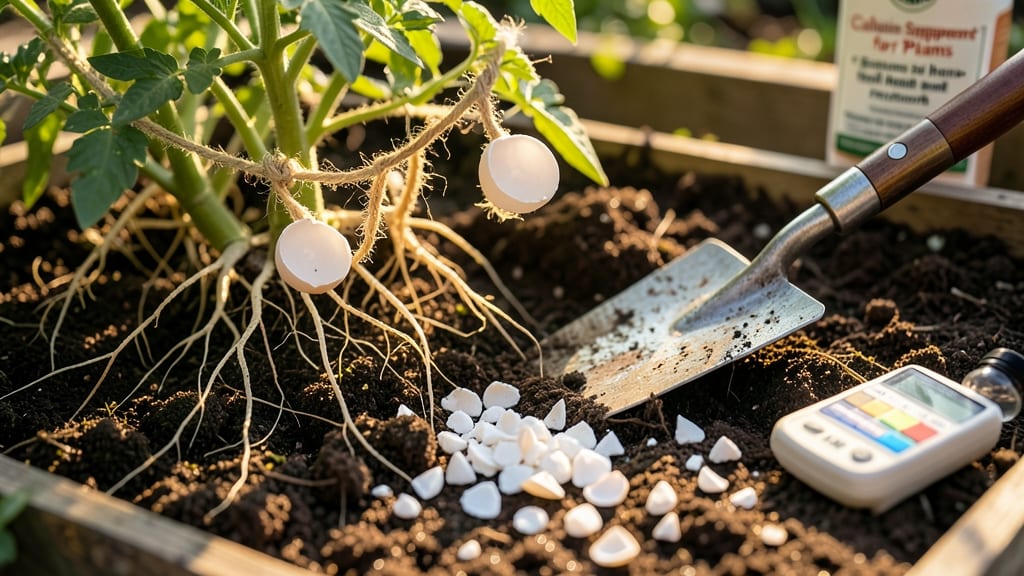
Hanging eggshells in your garden creates a natural pest deterrent by forming jagged barriers that slugs and snails avoid, while also providing calcium-rich soil enrichment for stronger plant growth. This eco-friendly method combines pest control with organic fertilization at no cost.
Hanging eggshells works because their sharp edges physically block pests like slugs and snails, which prefer smooth surfaces. 🌱 The calcium content also disrupts insect exoskeletons over time, creating a double-layered defense.
What's more, as they decompose, they release trace minerals that improve soil structure and microbial activity. This makes them a smarter alternative to chemical repellents or plastic barriers.
For best results, bake shells at 200°F for 10 minutes to kill bacteria, then crush them slightly to create more surface area. Hang them near vulnerable plants or place crushed pieces around garden edges. The effects last 3-6 months before replenishment, making this a low-maintenance solution for any gardener.
💡 In This Article
- How Eggshells Naturally Repel Garden Pests
- Best Ways to Use Eggshells for Soil Health
How eggshells naturally repel garden pests
The sharp edges of eggshells create a physical barrier that slugs and snails instinctively avoid.
These pests have soft, muscular bodies that can't navigate rough surfaces—their slime trails become disrupted by the jagged calcium carbonate crystals. 🔥 Studies show that even small fragments can deter up to 90% of slug activity compared to smooth surfaces like plastic or wood.
The texture acts like a natural "no entry" sign, forcing pests to seek smoother paths around your plants.
Chemically, eggshells contain 95% calcium carbonate, which slowly breaks down in soil. This calcium disrupts the exoskeletons of insects like aphids and whiteflies, making their shells brittle over time. The process releases trace minerals that create an inhospitable environment for soft-bodied pests.
Unlike copper tape (which requires direct contact) or diatomaceous earth (which needs frequent reapplication), eggshells work through both physical and chemical mechanisms simultaneously.
What makes this method particularly effective is how it combines multiple pest control strategies.
The sharp edges provide immediate physical deterrence, while the gradual decomposition enriches soil with calcium, magnesium, and phosphorus—nutrients that strengthen plant cell walls, making them less appealing to pests. 🌱 For example, tomatoes and peppers benefit from this dual protection, as their tender leaves become both stronger and less vulnerable to chewing insects.
When comparing eggshells to other natural barriers, they outperform options like coffee grounds (which only repel for 2-3 weeks) and crushed eggshells alone (which lack the physical barrier effect). The hanging method maximizes surface area exposure while keeping shells elevated to prevent decomposition before they can deter pests.
This makes them ideal for protecting young seedlings or low-growing plants where slugs typically congregate.
One often overlooked benefit is how eggshells disrupt pest navigation. Slugs rely on chemical trails to find food sources, and the irregular texture of hanging shells scatters these trails. 💫 This creates a "confusion effect" that makes your garden less detectable to foraging pests.
The method works particularly well in damp climates where slug populations thrive, as the calcium content also helps regulate soil moisture levels by improving drainage.
For maximum effectiveness, combine hanging shells with crushed pieces placed directly around plant bases. The crushed version provides immediate calcium enrichment while the hanging shells create an elevated barrier that pests can't easily climb.
This two-pronged approach mimics how some plants develop both physical defenses (like thorns) and chemical deterrents (like essential oils) simultaneously.