
Tools
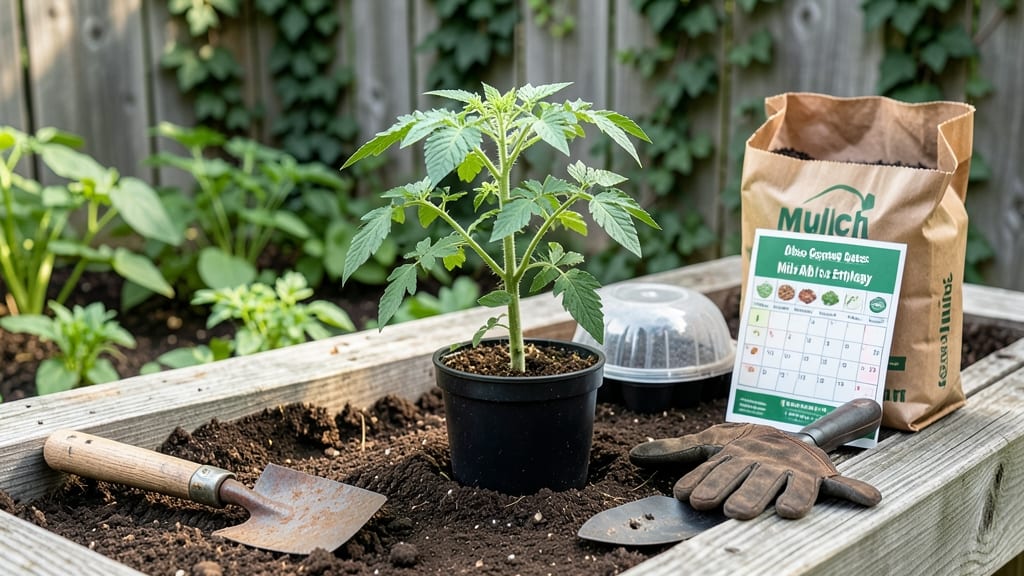
Start your garden in Ohio between mid-March and early May, when the last frost typically passes—though your exact timing depends on what you’re planting and where in the state you live.
Ohio’s unpredictable spring weather can turn your gardening dreams into a guessing game—but knowing the exact last frost dates for your region is the key to planting success.
Cool-season crops like peas and spinach can handle a light frost, so you can start them as early as February in southern Ohio or March in the north. But warm-weather favorites like tomatoes and peppers need to wait until after May 15 in most zones.
Below, I’ll break down Ohio’s frost-free windows by USDA zone, when to start seeds indoors, and how to adjust for your local microclimate—so you can avoid the common mistakes that ruin early plantings.
Ohio’s last frost dates by Zone: when to plant cool vs. warm-season crops
Ohio spans USDA hardiness zones 5a through 6b, meaning frost dates vary dramatically from northern Toledo (Zone 5b) to southern Athens (Zone 6b). These differences determine whether your cool-season crops like peas and spinach thrive or your tomatoes and peppers wither overnight.
Understanding your exact zone helps you avoid the heartbreak of frost-killed seedlings or wasted time waiting for warm soil.
For Ohio gardeners, the average last frost date ranges from April 15 in the north to May 1 in the south. However, these dates aren’t set in stone—microclimates (like urban heat islands or sheltered valleys) can shift your timeline by 1-2 weeks.
That’s why I always check local weather patterns for the past 5 years before finalizing my planting schedule.
Here’s the breakdown you need to plan your garden like a pro:
If you’re planting cool-season crops like spinach, kale, or peas, start seeds indoors 4-6 weeks before your last frost date. For Zone 5a, that means March 15—but don’t rush!
These plants handle light frosts, so you can even direct-sow peas as early as March 1 if your soil isn’t frozen. Just cover them with frost cloth for safety.
For warm-season crops like tomatoes, peppers, and cucumbers, wait until the soil temperature reaches 55°F (use a soil thermometer!). In Zone 6b, that’s usually April 10, while Zone 5a gardeners should hold off until May 15.
Pro tip: Plant fast-maturing varieties (like Early Girl tomatoes) to maximize your short Ohio season.
Don’t forget about succession planting! In Ohio’s 80-100 frost-free days, you can squeeze in 2-3 harvests of lettuce or 3 plantings of bush beans by staggering sowing dates every 2 weeks. This keeps your garden productive when other regions might be winding down.
One common mistake I see is planting tomatoes too early because the soil is "looking dry." Cold soil stunts roots, so always check temperature—55°F+ is non-negotiable for healthy growth. Use a black plastic mulch to warm soil faster in cooler zones.
For northern Ohio gardeners (Zones 5a-5b), consider starting warm-season crops indoors under grow lights in early March. You can transplant peppers and eggplants 2-3 weeks earlier than outdoor planting dates, giving them a head start before the last frost.
Just be ready to harden off seedlings gradually to avoid shock.
Southern Ohio (Zones 6a-6b) has a longer window to experiment. Here, you can direct-sow warm crops like beans and corn as early as April 15 without worrying about frost.
Take advantage of this by planting heat-tolerant varieties like Black Krim tomatoes or Jalapeño peppers to extend your harvest into late fall.
Remember: Frost dates are averages, not guarantees. Keep a frost watch calendar and have row covers ready for late surprises. With these timelines, you’ll avoid the most common Ohio gardening pitfalls and enjoy a bountiful, frost-free harvest! 🌱
How to extend your Ohio gardening season with smart planting strategies
Ohio’s short growing season can feel like a race against time, but with the right strategies, you can push your harvests well into fall—or even start earlier in spring. The key lies in leveraging season-extending tools, succession planting, and heat-tolerant varieties that thrive in Ohio’s climate.
Whether you’re dealing with a northern Ohio chill or a southern Ohio heatwave, these tactics will help you maximize your garden’s potential.
Microclimates play a huge role in Ohio gardening. Urban areas often trap heat, creating pockets where warm-season crops like tomatoes and peppers can thrive earlier than rural zones.
Meanwhile, rural gardens may benefit from cooler nights, allowing for longer cool-season harvests. By understanding your specific microclimate, you can fine-tune your planting schedule for optimal results.
- Use cold frames to start cool-season crops like spinach and lettuce 4-6 weeks earlier than outdoor planting dates.
- Deploy floating row covers over warm-season plants (e.g., cucumbers, zucchini) to raise soil temps by 5-10°F and protect from late frosts.
- Plant heat-tolerant varieties like 'Heatmaster' tomatoes or 'Malabar spinach' to extend harvests into September or October.
- Implement succession planting every 2-3 weeks for crops like bush beans or radishes to ensure continuous harvests.
- Leverage urban heat islands by planting warm-season crops near south-facing walls or paved surfaces 1-2 weeks earlier.
One of my favorite tricks is using cold frames or low tunnels to create a mini greenhouse effect. These structures can add 10-14 days to your growing season in early spring or late fall.
For example, I start broccoli and cabbage in cold frames in late March, giving me a head start before the official last frost date. Just ensure proper ventilation to prevent overheating on sunny days.
Don’t overlook the power of succession planting. Instead of planting all your lettuce or carrots at once, stagger your sowings every 2-3 weeks. This ensures a steady supply of fresh produce and reduces the risk of bolting or pest outbreaks.
For instance, I plant radishes every 10 days from April through June, guaranteeing a continuous harvest until early July.
For urban gardeners, take advantage of microclimates created by buildings, pavement, or even dark mulch. These areas can be 5-10°F warmer than surrounding zones, allowing you to plant tomatoes or peppers 1-2 weeks earlier.
I’ve seen urban gardens in Columbus harvest green beans by mid-June, while rural gardens in the same county wait until early July.
Finally, choose heat-tolerant varieties that perform well in Ohio’s summer heat. Plants like 'Solar Fire' peppers or 'Celebrity' tomatoes thrive even when temperatures exceed 90°F. Pair these with drip irrigation and mulch to retain moisture and keep roots cool.
With these strategies, you can enjoy fresh produce from early spring to late fall—no matter where you garden in Ohio.