
Planting
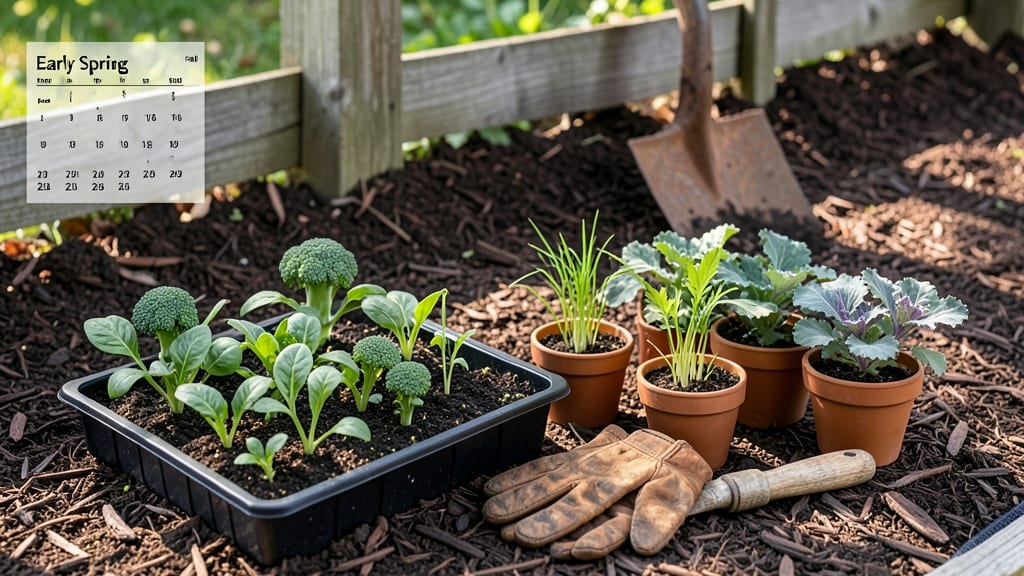
Planting a garden in Ohio depends on your last frost date — typically between April 15 and May 15, depending on whether you’re in southern Ohio or up near the Canadian border.
Ohio’s unpredictable weather can turn a gardener’s dream into a nightmare if you plant too early or too late—but timing your garden right means bountiful harvests instead of wilted dreams.
For cool-season crops like lettuce and peas, you can start as early as March in the south, while warm-season plants like tomatoes and peppers need to wait until after May 15 in most areas.
Below, I’ll break down Ohio’s frost-free zones, the best planting windows for your favorite veggies, and how to adjust for urban heat islands or late springs.
Ohio’s frost-free dates by region: when to plant cool-season vegetables
Ohio’s last frost dates vary dramatically from south to north, making timing everything for cool-season vegetables. In southern Ohio (USDA zones 6b-7a), you can start planting lettuce, spinach, and peas as early as March 15th, while northern regions (zones 5a-5b) often wait until April 15th or later.
These differences mean the difference between thriving crops and frost-killed seedlings.
Urban gardens in cities like Columbus or Cincinnati may experience earlier frost-free dates due to the "urban heat island" effect, while rural areas in Appalachia or the Lake Erie shoreline can have delayed warming. Always check your local microclimate—a valley might frost weeks after a nearby hillside.
For direct sowing of cold-hardy crops, aim to plant 4-6 weeks before your last frost date. This gives seedlings time to establish before summer heat arrives. Spinach and kale can handle light frosts, while lettuce and peas prefer consistent cool temperatures.
Ohio’s regional frost-free dates (average annual ranges) provide a starting point, but weather patterns can shift these by weeks. Always monitor forecasts and have row covers ready for late surprises.
🌱
If you’re growing peas or spinach, start seeds indoors 4-6 weeks before your last frost date. These crops thrive in cool soil and can even tolerate light frosts once established. For lettuce, which bolts in heat, succession plant every 2 weeks until early summer.
Urban gardeners should note that concrete and pavement can create microclimates where soil warms faster. Test soil temperature with a soil thermometer—ideal planting temps for cool-season crops range from 40°F to 75°F. If soil is below 40°F, wait or use black plastic mulch to warm it.
For Appalachian regions like Athens or Zanesville, expect later frost dates due to higher elevations. These areas often align with Zone 5a timing, meaning you might not plant until mid-April. Always adjust for elevation changes—every 1,000 feet adds about 1 week to frost risk.
Pro tip: Use frost cloth or row covers to extend your planting window by 2-3 weeks in early spring. This lets you sow lettuce or spinach as early as February in southern Ohio, giving you a head start on the season.
Remember, Ohio’s weather is unpredictable. Even if the calendar says it’s safe, always check the 10-day forecast before planting. A late frost can wipe out weeks of effort—better safe than sorry with your cool-season crops.
🌿
Warm-season planting schedule in Ohio: tomatoes, peppers, and more
Ohio’s warm-season crops like tomatoes, peppers, and squash thrive when soil temperatures consistently stay above 60°F. For most of Ohio, this means waiting until mid-May to early June after the last frost date.
Northern Ohio may need to wait until late May due to cooler springs, while southern regions can start transplanting as early as April 30.
Before planting, check your soil temperature with a soil thermometer—most warm-season plants need soil that’s at least 65°F at a depth of 2 inches. If your soil is still cool, consider using black plastic mulch to warm it up faster.
This simple trick can shave off 1-2 weeks of waiting time for heat-loving crops.
- 1
- 2
- 3
- 4
For tomatoes and peppers, harden off seedlings gradually over 7-10 days before transplanting. This means exposing them to outdoor conditions for increasing amounts of time each day to avoid transplant shock. Choose cloudy days or shade them with a cloche to ease the transition.
Mulch heavily with straw or grass clippings after planting to retain moisture and regulate soil temperature. In Ohio’s humid summers, mulch also helps prevent soil-borne diseases like early blight in tomatoes. Apply a 2-3 inch layer around plants, keeping it 2 inches away from stems to prevent rot.
To extend your warm-season harvest, consider planting succession crops like bush beans or zucchini every 2 weeks until early July. For late-season varieties, like pumpkins or winter squash, start seeds indoors in late May and transplant after the June solstice for a fall harvest.
Remember, Ohio’s weather is unpredictable—always keep an eye on your local frost forecast and be ready to protect tender plants with row covers or move containers indoors during unexpected cold snaps. With the right timing and care, your warm-season garden can thrive until first frost in late October or November.