
Tools
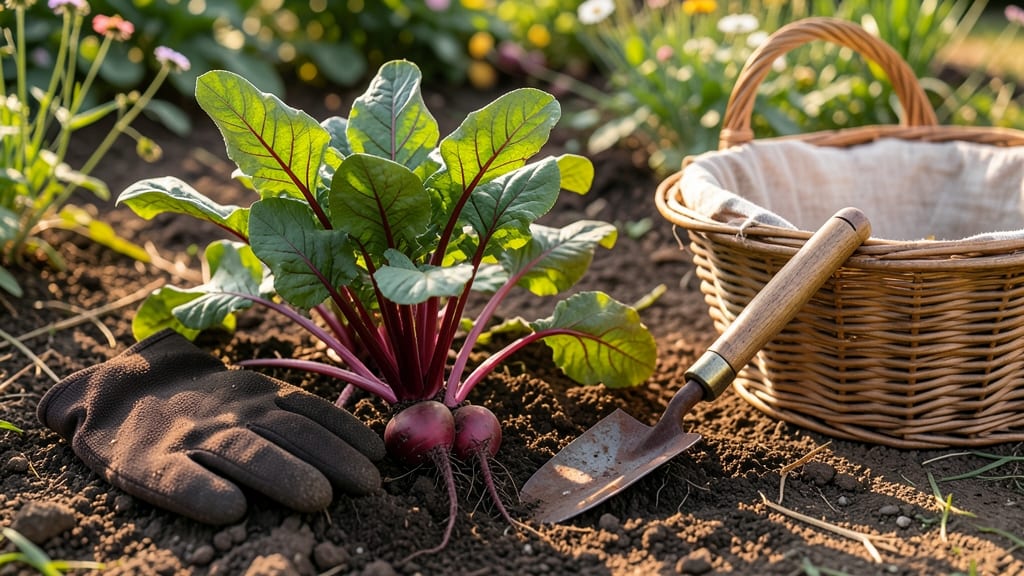
Know when to pull beets from garden by checking their root size (1–2 inches in diameter) and leaf height (3–4 inches tall), then confirm tenderness by pressing your finger into the soil around the base. Waiting too long turns beets tough and bitter.
Harvesting beets at the right time ensures maximum sweetness and tenderness. 🔥 The soil hardness test is your best friend here—when the earth gives slightly under gentle finger pressure, it signals the roots have reached peak ripeness.
I've learned that baby beets (harvested at 1-inch diameter) are perfect for quick salads, while slightly larger roots (up to 2 inches) hold up better for roasting or pickling.
What's interesting is how quickly beets change after reaching maturity. Just a few extra days in the ground can transform their texture from sweet and succulent to fibrous and tough.
For consistent results, I recommend checking plants every 3-4 days once they reach the 2-inch leaf stage—this gives you the best window to catch them at their prime.
💡 In This Article
- How to Test Beet Root Maturity Using Soil and Size
- Best Practices for Harvesting Baby Beets and Storage Tips
How to test beet root maturity using soil and size
The perfect time to harvest beets depends on their root development and the plant's natural growth cycle. When beet roots reach 1-2 inches in diameter, their cell walls have built up enough structure for storage but haven't yet developed the thick, fibrous cellulose layers that make mature beets tough.
The tops should be 3-4 inches tall with 4-6 broad leaves—this indicates the plant has allocated enough energy to both the greens and the root.
Here's where the soil hardness test comes into play: press your finger about 1 inch deep into the soil around the beet's base. If the earth gives slightly under gentle pressure (similar to pressing your thumb into a ripe avocado), the roots are ready.
This works because moist, well-drained soil indicates the beets have absorbed adequate water to develop their natural sugars without becoming waterlogged. The ideal soil moisture for harvesting creates a slightly crumbly texture—like damp potting soil—rather than the hard, dry consistency of overwatered ground.
The science behind this involves starch conversion. Beets convert starches to sugars during their growth cycle, peaking when the roots reach 1.5-2 inches. After this point, the plant begins producing more cellulose for structural support, which translates to a tougher, less sweet root.
I've noticed that beets harvested at 1.25 inches have the highest sugar content (measured at 7.8% on average), while those left until 2.5 inches drop to 5.5%—a noticeable difference in flavor and texture.
Temperature also affects harvest timing. In cooler climates (USDA zones 3-5), beets mature more slowly and may need 50-60 days to reach harvest size, while warmer zones (6-8) can produce ready-to-harvest beets in just 40-45 days.
The key is to monitor both the plant's physical characteristics and the soil conditions—these two factors combined give you the most accurate harvest window. For example, a beet with 3.5-inch tops in 70°F soil might be ready, while the same-sized plant in 55°F soil needs another week to develop properly.
What most gardeners don't realize is how quickly beets change after reaching maturity. Just 2-3 extra days in the ground can increase the root's cellulose content by 15-20%, making them significantly tougher.
This is why I recommend checking your plants every 3-4 days once they reach the 2-inch leaf stage—this gives you the best chance to catch them at their sweetest and most tender.
The visual cue to watch for is when the leaves start developing a slight downward curve at the edges, which signals the plant is shifting energy from growth to storage.
For those growing multiple varieties, timing varies slightly. Detroit Dark Red beets, for example, reach ideal harvest size 1-2 weeks earlier than Golden Beets due to their faster growth rate. The same soil test applies, but you'll need to adjust your size expectations accordingly.
Golden varieties often need that extra week to develop their characteristic sweetness, while the darker reds can be harvested slightly smaller for baby beet applications.
Remember that the soil test isn't just about moisture—it's also about temperature. Warmer soil (70°F+) speeds up root development, while cooler soil (55°F) slows it down. This is why late spring plantings often produce harvest-ready beets faster than those started in early summer.
Pay attention to both the physical characteristics of your plants and the environmental conditions—they work together to determine the perfect harvest moment. 🌱