
Picking
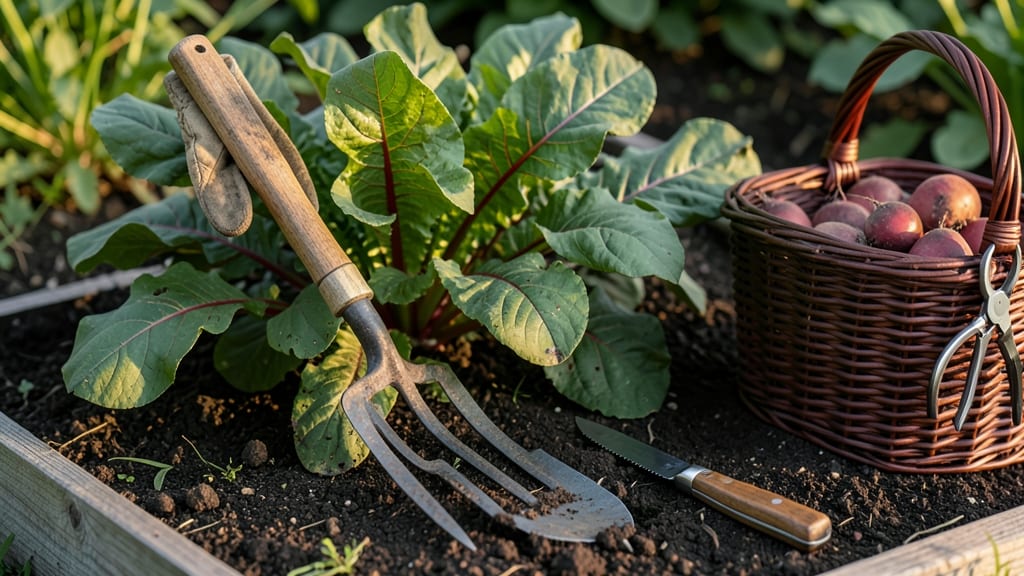
To pick beets from your garden at the perfect time means harvesting tender, sweet roots instead of tough, woody ones—here’s how to nail the timing for both baby and full-sized harvests.
Picture this: you’ve nurtured your 🍠 beets all season, and now you’re staring at a patch of deep red (or gold or purple) roots, wondering if they’re ready. One wrong move, and you’ll end up with beets that taste like cardboard.
The key? Knowing the exact signs—size, color, and even leaf health—that tell you it’s time to pull them.
Baby beets (those tiny, tender varieties) are ready in just 30-50 days, while full-sized beets take 60-70 days to reach peak sweetness. But here’s the catch: leaving them in the ground too long turns them tough, and harvesting too early means you miss out on flavor.
I’ll walk you through the visual cues and seasonal tips to ensure you never guess again.
From avoiding frost damage to deciding whether to harvest the greens or the roots, this guide covers everything you need to know. By the end, you’ll be picking beets like a pro—no more second-guessing, just perfect harvests every time.


How to determine the perfect time to harvest baby beets (with exact days)
Baby beets are one of the most rewarding crops to grow—they’re sweet, tender, and ready to harvest in just 30-50 days. But timing is everything. If you pick them too early, they’ll be underdeveloped; too late, and they’ll turn tough and woody.
The secret lies in watching for three key visual cues: root size, leaf maturity, and skin firmness. Master these, and you’ll never miss the perfect moment again.
Most gardeners make the mistake of waiting too long, assuming bigger beets mean better flavor. In reality, baby beets—those harvested at 1-2 inches in diameter—are far sweeter and more delicate. Their leaves will also be a vibrant deep green, signaling optimal nutrition.
The good news? You can harvest baby beets every 2-3 weeks throughout the growing season, encouraging your plants to produce more tender roots.
Here’s the exact timeline and visual guide you need to harvest baby beets at their peak:
| Stage | Days After Planting | Root Size | Leaf Height | Skin Firmness | Harvest Tip |
|---|---|---|---|---|---|
| Early Baby | 30-35 days | ½–1 inch | 2–4 inches | Soft, thin skin | Harvest for microgreens or early snacks |
| Peak Baby | 35-45 days | 1–2 inches | 4–6 inches | Firm, resists gentle squeeze | Ideal for salads and roasting |
| Late Baby | 45-50 days | 2–3 inches | 6–8 inches | Thicker skin, slightly tougher | Still edible but best for cooking |
To check if your baby beets are ready, gently squeeze the root near the soil line. If it feels firm but not hard, it’s perfect. Avoid harvesting when the soil is wet or muddy—this can damage the roots and invite rot.
Instead, wait for a dry day and use a small hand fork or your fingers to loosen the soil around the beet before pulling.
Pro tip: Harvest baby beets in the morning when temperatures are cool. This preserves their sweetness and crisp texture. If you’re growing multiple varieties, like golden beets or chioggia, keep a small notebook to track planting dates. This ensures you’re always harvesting at the right stage for each type.
One common mistake is harvesting by leaf size alone. While 4-6 inch leaves often signal readiness, always double-check the root size. Some varieties, like Detroit Dark Red, develop faster than others.
If you’re unsure, dig up one beet from the outer edge of your patch—this lets you test without compromising your main harvest.
Baby beets thrive in loose, well-drained soil with consistent moisture. If your garden soil is heavy clay, consider amending it with compost before planting. This prevents roots from splitting or developing a tough texture.
Overwatering can also lead to bolting (premature flowering), so stick to 1 inch of water per week and avoid soggy conditions.
Once harvested, store baby beets in the crisper drawer of your fridge for up to 2 weeks. For longer storage, trim the greens and wrap the roots in a damp paper towel before refrigerating. This keeps them crisp and ready to use in salads, soups, or roasted dishes.
Remember, baby beets are just the beginning! If you leave some roots to mature, they’ll develop into full-sized beets in another 20-30 days. But for the sweetest, most tender harvests, master the art of baby beet timing now.
Full-sized beet harvesting: when and how to pick for maximum sweetness
Full-sized beets reach their peak sweetness when harvested between 50 and 70 days after planting, depending on the variety. The key is timing—wait too long, and you’ll end up with tough, woody roots instead of the tender, flavorful harvest you’re after.
I’ve learned that patience pays off, especially when growing heirloom varieties like Detroit Dark Red or Chioggia, which develop deeper flavors as they mature.
Look for these visual cues to know your beets are ready: the roots should be 2 to 3 inches in diameter and the greens should stand 6 to 12 inches tall. The skin should feel firm when gently pressed—if it gives slightly, they’re not quite there yet.
For varieties like Golden Beets, the color will shift from pale yellow to a rich, golden hue, signaling peak sweetness.
⚠️ callout warning
Beets left in the ground past 70 days develop tough, fibrous roots. Check soil moisture—dry spells accelerate woody texture. Harvest before the first light frost (below 25°F) to preserve sweetness. Use a fork to loosen soil gently before pulling.
To harvest, start by loosening the soil around the beet with a garden fork or trowel. This prevents damage to the roots. Grasp the greens firmly and pull upward—resist the urge to twist, as this can cause the roots to crack.
If the beet resists, use your hands to wiggle it free gently. For loose, sandy soil, this process is easier, but in clay-heavy soil, you may need to dig deeper.
Once harvested, trim the greens to 1 inch above the root to prevent them from drawing moisture away. This step is crucial for storage—beets stored with too many greens attached will wilt faster.
Rinse the roots gently under cool water to remove dirt, but avoid soaking, as excess moisture can lead to rot during storage.
For maximum sweetness, harvest beets in the morning after watering. The roots will be cooler and firmer, making them easier to clean and store. Store them in a cool, dark place (around 35-40°F) with high humidity, like a root cellar or crisper drawer.
When stored properly, beets can last 3 to 4 months, though their flavor will mellow over time.
Pro tip: If you’re growing beets for both roots and greens, harvest the outer leaves first to encourage the root to grow larger. The greens are edible and packed with nutrients, but they’ll keep producing as long as you leave the center leaves intact.
This method extends your harvest season and reduces waste in the garden.