
Picking
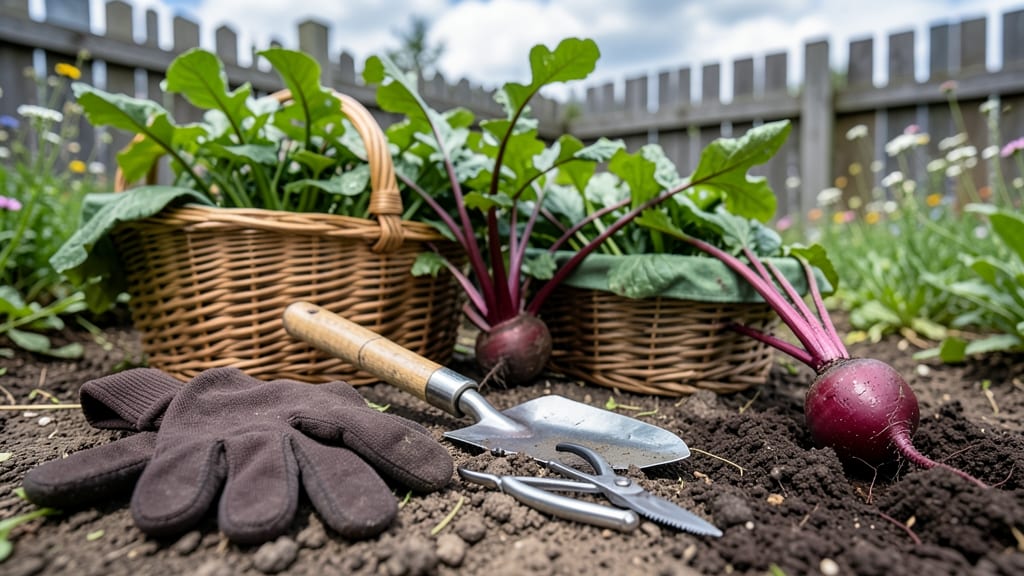
Harvesting beets from your garden at the right time ensures their sweet, tender flavor peaks—too early or late, and you’ll miss out on that perfect taste 🍠.
Beets are one of the most versatile garden vegetables—but harvesting them too early or too late can ruin their sweet, earthy flavor. Timing is everything, and the right method ensures you enjoy beets at their peak.
You might think size is the only factor, but soil temperature, leaf color, and even the time of day play a role in determining when to pull them. A 1- to 3-inch diameter is ideal, but the real test is taste—dig a small sample and check for firmness and sweetness.
In this guide, I’ll walk you through the best ways to judge readiness, avoid common mistakes, and store your harvest for maximum flavor. Whether you’re growing in Zone 6a or another region, these tips will help you get it right every time.


How to determine when beets are ready for harvest by size and soil
Knowing when to harvest beets from your garden depends on two key factors: root size and soil conditions. Baby beets and mature roots have different benchmarks, but both rely on visual cues like leaf size and root diameter.
The right timing ensures sweet, tender beets instead of woody or bitter ones.
For baby beets, harvest when roots reach 1-2 inches in diameter—this usually happens around 45-55 days after planting. Mature beets, on the other hand, should be 2-3 inches wide with smooth skin and vibrant green leaves, typically ready in 55-70 days.
Ignoring these size cues can lead to overgrown roots that become tough and less flavorful.
| Type | Root Size | Leaf Size | Days to Harvest | Soil Check |
|---|---|---|---|---|
| Baby Beets | 1-2 inches | 4-6 inches tall | 45-55 days | Loose, moist |
| Mature Beets | 2-3 inches | 6-8 inches tall | 55-70 days | Firm, well-drained |
| Overgrown Beets | 3+ inches | 8+ inches | 70+ days | Hard, dry soil |
Don’t rely solely on days since planting—soil conditions play a huge role. Check the soil around the roots: if it’s loose and moist but not waterlogged, your beets are likely ready. Overly compacted or dry soil can stunt growth, while soggy conditions may cause rot.
Gently grasp a beet’s leaves; if they’re vibrant green and firm to the touch, it’s a good sign.
Another trick is the gentle tug test. Grasp a beet near the soil line and pull lightly—if it slides out easily with minimal resistance, it’s ready. If the soil clings tightly, wait a few more days.
This method works best in well-draining soil with a pH between 6.0 and 7.0, which is ideal for beet growth. Poor drainage can lead to misshapen roots or hollow centers.
For baby beets, aim for a 1-inch diameter to enjoy their sweetest flavor. These tiny roots are perfect for salads or quick cooking. If you’re growing golden beets, harvest them slightly earlier than red varieties—they tend to mature faster and can become fibrous if left too long.
Always harvest on a cool, cloudy day to reduce stress on the plant.
Watch for leaf color changes as another clue. Healthy beet greens should be deep green and glossy. If leaves start yellowing or wilting, it could signal overmaturity or disease.
Additionally, uneven root shapes may indicate poor soil conditions or competition from weeds. Keep your beet patch weed-free and mulched to maintain even growth.
In cooler climates, beets may take longer to reach harvest size, so adjust your expectations based on your USDA zone. For example, in Zone 5, beets might need an extra week or two compared to warmer regions like Zone 8.
Always plant in well-prepared soil with plenty of organic matter to speed up maturation.
One common mistake is harvesting beets too late, which results in tough, woody roots. If you notice the tops dying back or the roots feeling hard when pressed, it’s past prime.
Conversely, harvesting too early means small, underdeveloped roots that lack sweetness. Strike the balance by monitoring both root size and leaf health simultaneously.
Pro tip: Use a small hand fork to loosen the soil around the roots before pulling. This reduces damage to neighboring plants and makes extraction easier. After harvesting, store beets in a cool, dark place with high humidity to preserve their freshness. With the right timing, you’ll enjoy beets at
The taste-test method: how to check sweetness before harvesting
Harvesting beets at the perfect moment ensures maximum sweetness and tenderness. While size is a good starting point, the taste-test method is the surest way to confirm when your beets are ready.
This simple technique involves digging a small sample, examining the flesh color, and testing the flavor directly from the garden.
Start by selecting a beet that meets the basic size requirements—typically 1 to 3 inches in diameter. Gently loosen the soil around the root with a small hand fork or your fingers. This minimizes damage to neighboring plants while giving you access to the root for testing.
⚠️ callout-warning
Stop harvesting when beets develop a woody texture or bitter taste. This usually happens after 70 days of growth, when roots become fibrous. Check soil temperature—if it drops below 45°F, sweetness declines rapidly.
🌱 Pro Tip: Harvest in the morning when sugars are highest.
Once you’ve unearthed a sample, slice it open lengthwise to inspect the flesh color. Ideal beets will have a vibrant deep magenta or ruby hue with no greenish or yellowish streaks. These colors indicate peak sweetness and moisture content.
Take a small bite to test the flavor. A perfectly ripe beet should be sweet, earthy, and tender. If it tastes mild or watery, it’s not fully matured.
Conversely, if it’s bitter or tough, it’s past its prime and should be harvested immediately to avoid wasting the crop.
For baby beets, aim for a diameter of 1 to 1.5 inches and a mild, slightly sweet flavor. Larger varieties like Detroit Dark Red or Chioggia can be left in the ground longer, but always confirm with the taste test to avoid missing the sweetest window.
After confirming sweetness, harvest the entire crop within 2 to 3 days to ensure uniformity in flavor. Store beets in a cool, dark place or refrigerate for up to 2 weeks to preserve their sweetness and texture.