
Pruning
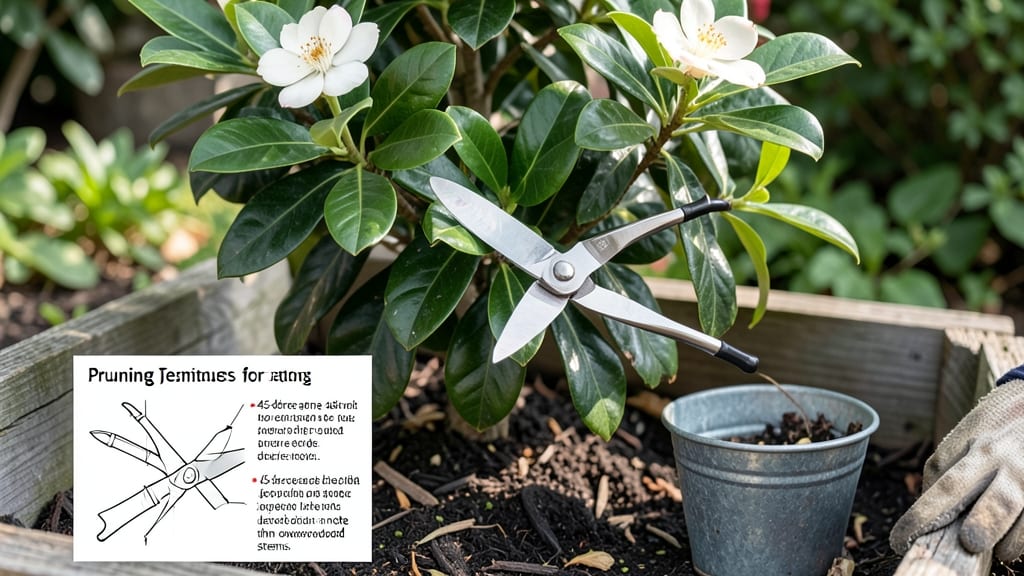
Pruning gardenias in Georgia at the right time is the secret to showstopping blooms every spring, but one wrong move can leave you with sparse flowers and leggy branches.
Georgia’s humid climate and hot summers demand precise timing—or risk stunted blooms and weak growth. But when exactly should you trim these fragrant favorites to ensure vibrant flowers next season?
Late winter is your golden window, just as new growth begins but before buds swell. This timing protects your gardenias from Georgia’s unpredictable late frosts while giving them the energy they need for a spectacular spring display.
Below, I’ll walk you through the exact steps, tools, and regional tips to prune like a pro—so you can skip the guesswork and enjoy healthier plants and more blooms all season.
Best late winter pruning timeline for Georgia gardenias
Georgia gardeners know timing is everything—especially when pruning gardenias in our humid subtropical climate. Prune too early, and you risk delayed blooms or even frost damage if a late cold snap hits.
But wait too long, and your shrubs become overgrown, struggling to produce those fragrant white blooms we all love. The ideal window for Georgia’s USDA zones 7a-8b is late winter, just as the plant begins to wake from dormancy but before new growth starts.
Look for these dormancy signs to confirm it’s time: bare branches, no fresh leaves, and a cool but stable temperature above 40°F. In Georgia, this typically falls between late February and early March, but exact timing depends on your specific microclimate.
For example, gardeners in zone 7a (northern GA) should wait until mid-March, while those in zone 8b (southern GA) can start as early as late February.
Here’s your month-by-month pruning guide tailored to Georgia’s climate, including temperature thresholds and bloom timing to avoid common mistakes:
| Month | USDA Zones 7a-8b | Ideal Temperature | Pruning Action | Bloom Impact |
|---|---|---|---|---|
| Late February | Zone 8b (southern GA) | 45–55°F | Remove dead/diseased wood only | Minimal risk to blooms |
| Mid-March | Zones 7a-8a (central/northern GA) | 50–60°F | Full pruning: shape, thin, and cut back 1/3 of old growth | Maximizes next season’s blooms |
| Early April | All zones (safe after last frost) | 60°F+ | Light cleanup only (no major cuts) | Preserves current year’s buds |
| May–June | All zones | 70°F+ | Avoid pruning (active growth phase) | Risk of delayed blooms or stress |
Why does this timing matter? Gardenias flower on old wood, meaning their blooms form on last year’s growth. If you prune too late—say, in April or May—you risk cutting off next season’s flower buds, which are already developing.
Georgia’s humidity and heat also mean wounds take longer to heal, so pruning in cooler months gives your gardenias time to recover before the stress of summer.
Pro tip: Pair your pruning with a light fertilizer application (use an acid-loving plant formula like 6-6-6) to encourage new growth. Apply it 2–3 weeks after pruning, once you see fresh leaf buds forming.
This timing ensures your gardenia has energy to focus on root recovery before pushing new shoots.
Watch for new leaf growth as your cue to stop pruning. If you see tender green leaves emerging, it’s too late for major cuts. At this stage, switch to light maintenance: removing only crossing branches or suckers at the base.
Over-pruning now can stress the plant, making it vulnerable to powdery mildew, a common issue in Georgia’s damp springs.
One mistake I see often is pruning gardenias in January or February when temperatures dip below 40°F. Cold stress weakens the plant, and any cuts made now won’t heal properly until spring.
Another error? Using dull shears or leaving jagged edges. Always use clean, sharp pruners and make cuts at a 45-degree angle, just above a leaf node or bud.
For gardeners in zone 7a, keep an eye on the 10-day forecast in early March. If frost is predicted, delay pruning until after the threat passes.
In zone 8b, you can prune as early as late February, but avoid heavy cuts if daytime temps stay below 55°F. The goal is to give your gardenia a head start on growth without exposing it to late-winter cold snaps.
After pruning, mulch around the base with 2–3 inches of pine bark mulch to retain moisture and regulate soil temperature. This step is critical in Georgia’s climate, where spring temperature swings can be dramatic.
Water deeply once a week for the first month post-pruning to help the plant establish new roots.
Remember, gardenias thrive on consistency. Stick to this late winter schedule, and you’ll reward yourself with vibrant blooms from June through September—just in time for Georgia’s hottest (and most humid) months when their sweet fragrance is most welcome. 🌸
How to prune gardenias for maximum blooms in Georgia’s heat
Pruning your gardenias correctly is the secret to bountiful blooms in Georgia’s humid heat. Unlike many plants, gardenias bloom on old wood, so timing and technique matter. Start by removing dead or diseased branches first—these can harbor fungal spores that thrive in Georgia’s damp air.
Then, shape your shrub to improve air circulation, reducing the risk of powdery mildew or bacterial leaf spot, two common issues here.
Use clean, sharp pruners to make cuts at a 45-degree angle, about ¼ inch above a leaf node. This angle helps water run off, preventing rot. Avoid cutting into old wood where blooms form—this can delay or reduce flowering.
Instead, focus on light shaping and deadheading spent blooms to encourage new growth. Georgia’s hot summers can stress plants, so prune early in the morning to minimize shock.
⚠️ callout warning ⚠️
⚠️ Critical Pruning Mistakes in Georgia
Pruning at the wrong time (like late spring) can stunt blooms before Georgia’s peak flowering season. Over-pruning removes too many flower buds, while dull tools tear branches, inviting disease. Always prune after the last frost date (around March 15) and before new growth spikes in April.
🌱 Pro Tip: Sterilize tools with rubbing alcohol before and after pruning to prevent spread of pathogens.
To shape your gardenia, step back and assess the plant’s form. Remove crossing branches or those growing inward to open up the center for better airflow. This is especially important in Georgia’s high humidity, where stagnant air promotes fungal growth.
Thin out overcrowded areas to let sunlight reach inner leaves, which encourages more blooms. Never remove more than ⅓ of the plant in one session—this can stress the shrub and reduce flowering.
After pruning, mulch around the base with 2-3 inches of organic mulch (like pine bark) to retain moisture and regulate soil temperature. Georgia’s summer heat can dry out roots quickly, so keep the soil consistently moist but not soggy.
Water deeply in the morning to allow foliage to dry before evening humidity sets in. This simple step can prevent fungal diseases that thrive in damp conditions.
For ongoing maintenance, deadhead spent blooms regularly throughout the growing season. This redirects the plant’s energy toward producing new flowers instead of seeding.
In late summer, give your gardenia a light trim to remove any stray shoots or unruly growth, but avoid heavy pruning—this can interfere with next year’s bloom cycle. Georgia’s mild winters mean gardenias stay semi-active, so a light cleanup in early spring is all you’ll need.
Finally, feed your gardenia with an acid-loving fertilizer (like 6-6-6 or 8-3-9 NPK) in early spring and again after mid-summer blooming. This supports vigorous growth and abundant flowers. Avoid heavy fertilizing in fall or winter, as gardenias enter a dormant phase and don’t need extra nutrients.
With these steps, your gardenia will thrive in Georgia’s hot, humid climate and reward you with fragrant blooms all summer long.