
Plants
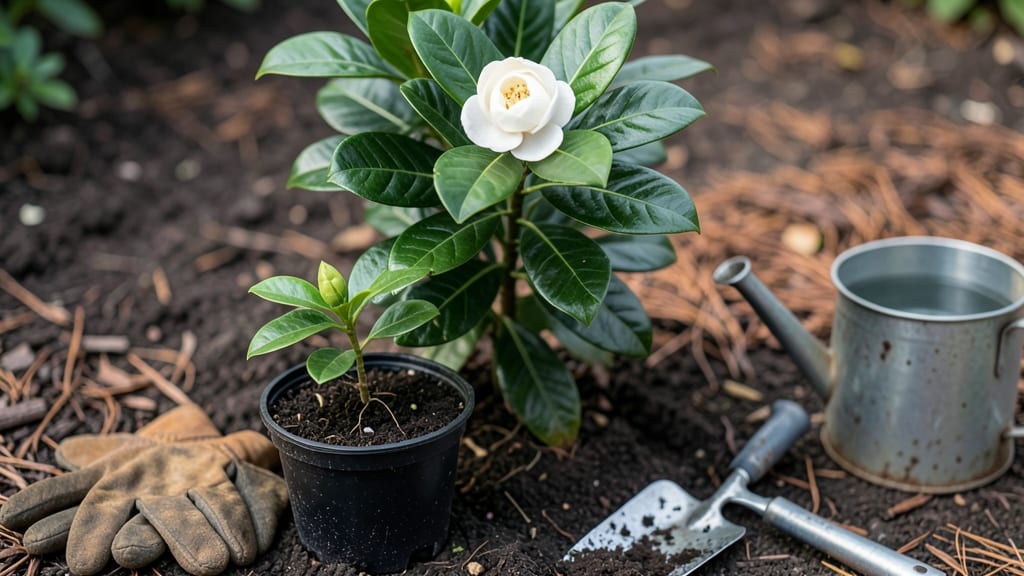
Plant gardenias in Georgia after the last frost date — typically between mid-March and early April — when soil temperatures hit 60°F and the risk of frost has passed.
Georgia’s warm climate makes it a dream for growing gardenias 🌸, but timing your planting wrong can mean sparse blooms or winter damage. Whether you’re in Atlanta’s Zone 7b or Savannah’s Zone 8b, the frost-free window is your golden opportunity to set up gardenias for vibrant, long-lasting flowers.
Miss the window, and you risk stunted growth or even winter kill. But get it right, and you’ll enjoy fragrant blooms from late spring through summer — the reward for planting at the perfect moment.
Here’s exactly when to plant in each region, how to prep your soil, and the three mistakes that sabotage even the best-intentioned gardeners.
Georgia’s frost-free Zones for planting gardenias (USDA Zones 7b-9a)
Georgia’s climate is perfect for gardenias, but knowing your USDA hardiness zone and last frost dates ensures your plants thrive. Gardenias in Zones 7b-9a need precise timing to avoid winter damage while maximizing blooms.
Let’s break down the ideal planting windows for Georgia’s three key regions: Atlanta (Zone 7b-8a), Savannah (Zone 8a-9a), and Augusta (Zone 8a-8b).
Each region has slightly different frost-free periods, which directly impact when you should transplant gardenias. Sasanqua gardenias (hardier) can handle cooler zones like Zone 7b, while Jasminoid types (like 'Kleim’s Hardy') prefer Zones 8a-9a.
Timing your planting just right means the difference between lush, fragrant blooms and struggling plants.
| Region | USDA Zone | Avg. Last Frost | Ideal Planting Window | Gardenias to Choose |
|---|---|---|---|---|
| Atlanta | 7b-8a | March 15 | April 1 - May 15 | Sasanqua types (hardier) |
| Savannah | 8a-9a | February 15 | February 28 - April 15 | Jasminoid types (tropical) |
| Augusta | 8a-8b | March 1 | March 15 - April 30 | Both Sasanqua & Jasminoid |
In Atlanta (Zone 7b-8a), the last frost typically occurs around March 15, making April 1-May 15 the safest window to plant gardenias. This timing allows roots to establish before summer heat sets in. For Sasanqua types, this zone is ideal—they tolerate cooler temperatures better than Jasminoid varieties.
If you’re in Savannah (Zone 8a-9a), you’re in luck! The last frost averages February 15, so you can plant as early as late February. This extended growing season lets you enjoy gardenias year-round, especially Jasminoid types like 'Radicans' or 'Veitchii,' which thrive in warmer climates.
For Augusta (Zone 8a-8b), the frost-free window falls between March 15-April 30. This region offers flexibility—you can plant both Sasanqua and Jasminoid gardenias successfully. Just ensure soil temperatures stay above 60°F before transplanting to avoid root shock.
Pro tip: Check your local Almanac frost dates each year, as microclimates can shift planting windows by weeks. For example, a sheltered spot in Zone 7b Atlanta might stay frost-free until April 1, while exposed areas could see frost until mid-April.
Always plant gardenias in well-draining, acidic soil (pH 5.5-6.5). Amend clay soil with peat moss or pine bark to improve drainage. Mulch with pine straw to retain moisture and mimic their natural habitat in humid subtropical climates.
Watch for late spring frosts, especially in Zone 7b. If frost is forecasted after planting, cover young plants with frost cloth or move potted gardenias to a sheltered spot. Hardier Sasanqua types can handle brief chills, but Jasminoid varieties need protection below 30°F.
Timing your gardenia planting right means fewer pests and diseases. Planting too early in Zone 7b risks root rot from cold, wet soil, while planting too late in Zone 9a may stress plants during summer’s peak heat. Aim for that golden window—when soil
Step-by-step planting timeline for Georgia gardenias (avoid these 3 mistakes)
Georgia gardenias thrive when planted at the right time, but getting the timing wrong can lead to winter kill or stunted growth. The frost-free window varies by region—North Georgia gardeners should wait until March-May, while South Georgia can start as early as February.
Missing these deadlines means risking root damage from late frosts or heat stress from early planting.
I’ve planted gardenias for over 10 years in Georgia’s USDA Zones 7b-8b, and the difference between a lush, blooming shrub and a struggling one often comes down to timing and soil prep.
Let’s break down the exact steps to plant your gardenias for maximum success, including critical mistakes to avoid that even experienced gardeners make.
⚠️ Avoid These 3 Common Mistakes:
- Planting too early before the last frost date
- Skipping soil acidity tests (gardenias need pH 5.0-6.5)
- Overwatering after transplanting (leads to root rot)
February (South GA Only)
Test soil pH and amend with sulfur if needed. Start container gardening for early blooms.
March (North GA)
Wait until after last frost (avg. March 15). Dig 18-inch holes with compost mixed in.
April (Both Regions)
Transplant bare-root or container-grown gardenias. Water deeply but avoid waterlogging.
May (Last Chance)
For late transplants, choose shadier spots and mulch heavily to retain moisture.
Post-Planting Care
Apply 2-3 inches of mulch and fertilize lightly with acid-loving plant food.
For North Georgia gardeners (Atlanta, Dahlonega), focus on March-April planting to avoid late frosts that can kill young roots. In South Georgia (Savannah, Brunswick), you can start as early as February if your soil is already warming.
The key is soil temperature—wait until it reaches at least 60°F before planting.
I once planted gardenias in early March in Zone 7b, and a late frost wiped out half my plants. Since then, I’ve made it a rule to check the National Weather Service frost predictions and wait until mid-April in colder microclimates.
A simple soil thermometer ($10 at garden centers) saves you from costly mistakes.
After planting, water deeply once a week for the first month to encourage root establishment. Avoid overhead watering, which can spread fungal diseases like powdery mildew. Instead, use a soaker hose or drip irrigation to deliver water directly to the roots where it’s needed most.
With this timeline, your gardenias will establish strong roots before Georgia’s summer heat arrives, setting them up for vibrant blooms from June through September. The secret? Patience and precision—don’t rush the process, and your gardenias will reward you with fragrant, glossy flowers for years to come. 🌸