
Blooming
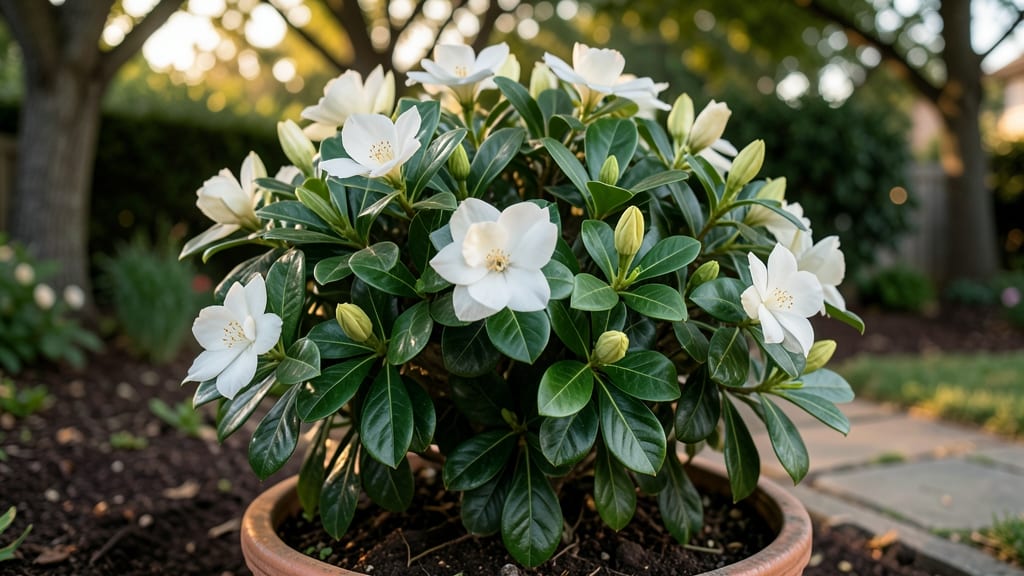
When do gardenias flower? Those creamy-white blooms typically unfold between late spring and summer, turning your yard into a fragrant paradise 🌸—but the exact timing depends on your USDA zone and care habits.
Picture this: you’ve nurtured your gardenia for months, only to wake up one morning and realize those buds still haven’t opened. Frustrating, right? The truth is, gardenias are finicky about their environment, and even a slight shift in sunlight or temperature can delay—or completely skip—their flowering season.
In cooler zones like 6a-10a (where most gardenias thrive), blooms usually kick off in June and stretch into September, while tropical varieties may flower year-round.
But here’s the catch: if your gardenia isn’t cooperating, it’s often a sign of overlooked care—like too much nitrogen or inconsistent watering—that’s keeping those buds from bursting into life.
Below, I’ll break down the ideal conditions for gardenia blooms by zone, plus the simple tweaks that can transform a non-flowering shrub into a fragrant showstopper. Let’s get those buds opening on schedule!
Gardenia flowering seasons by USDA Zone: what to expect
If you’ve ever marveled at a gardenia’s creamy-white blooms and wondered why yours isn’t following suit, your USDA zone holds the key. Gardenias thrive in warm climates, but their flowering windows vary dramatically—from year-round blooms in Zone 11 to brief summer displays in Zone 7.
Understanding these patterns helps you set expectations and adjust care routines accordingly.
The ideal flowering window for most gardenias spans late spring to early fall, but regional microclimates can shift this by weeks. For example, Southern gardeners (Zones 8-11) may enjoy blooms from March through October, while Northern growers (Zones 6-7) typically see flowers from June to August.
Let’s break down what to expect in your area.
In Zones 3-5, gardenias are borderline hardy and often treated as container plants moved indoors during winter. Their late-summer blooms (July–September) are a reward for patience—these zones lack the consistent warmth needed for earlier flowering.
If you’re in Zone 4 or colder, opt for dwarf varieties like ‘Kleim’s Hardy’, which tolerate brief cold snaps.
Gardeners in Zones 6-7 experience the most predictable seasonal shift. Blooms typically kick off in late May or June, aligning with soil temperatures above 60°F. The peak display occurs in July, tapering off by early September as cooler nights signal dormancy.
In humid climates (e.g., Southeast US), expect lush foliage and prolonged blooming, while drier regions (e.g., Southwest) may see shorter seasons unless irrigated consistently.
Southern gardeners in Zones 8-9 enjoy a near-year-round spectacle, with spring and fall peaks and occasional summer reblooms. The longest flowering windows occur in coastal areas, where moderate temperatures and high humidity create ideal conditions.
Inland zones may experience shorter blooms due to heat stress, so afternoon shade becomes critical to protect delicate petals.
For tropical Zone 10-11 growers, gardenias are perennial bloomers, with spring and fall producing the most abundant flowers. Unlike temperate climates, these zones lack a true dormancy period, so gardenias continue producing buds year-round if provided with consistent moisture and acidic soil.
However, even here, heavy rains or droughts can disrupt flowering, making mulching and irrigation management essential.
Regional microclimates play a huge role in flowering timing. For example, coastal California (Zone 9) gardenias may bloom earlier than inland counterparts due to milder winters, while Florida’s humidity extends blooms into late October before frost.
Always observe your local last frost date—gardenias need warm soil to break dormancy, so spring blooms won’t appear until temperatures stabilize above 65°F.
Pro tip: Prune gardenias lightly after flowering to encourage next season’s buds. In Zones 6-9, this means trimming in late summer to shape the plant and remove dead blooms. In Zones 10-11, year-round light pruning keeps the plant bushy and promotes continuous blooming.
Just avoid heavy pruning in late fall or winter, as new growth won’t harden off before cold snaps.
If your gardenia skips flowering entirely, don’t panic—it might just be waiting for the right conditions. Most gardenias take 2-3 years to mature and bloom after planting.
Patience and consistent care (like acidic soil and partial shade) will reward you with fragrant blooms in sync with your local climate. 🌸
Key factors that trigger gardenia blooms (and how to control them)
Understanding gardenias' flowering triggers is the secret to those dreamy white blooms. These tropical beauties rely on precise environmental conditions to burst into flower.
If your plant looks healthy but refuses to bloom, it’s likely missing one of these key factors: sunlight balance, temperature consistency, or proper humidity levels. Let’s break down how to optimize each for maximum blooms.
First, sunlight exposure sets the stage. Gardenias thrive in morning sun with afternoon shade—think dappled light under a canopy. Too much harsh afternoon sun can scorch leaves, while too little light delays flowering.
In hotter zones (like 9-10), afternoon shade is non-negotiable. For cooler zones (6-8), morning sun paired with light afternoon shade works perfectly.
- Sunlight: 4-6 hours of morning sun + afternoon shade. Avoid full sun in hot climates.
- Temperature: Ideal range is 65–75°F for bud formation. Below 55°F or above 85°F, blooms stall.
- Humidity: Maintain 50-70% humidity—misting leaves or using a pebble tray helps in dry climates.
- Pruning: Prune after flowering to remove dead wood and encourage new growth for next season.
- Soil pH: Keep soil acidic (5.0-6.0)—use sulfur or peat moss if your soil is alkaline.
Temperature is the second critical trigger for gardenia blooms. These plants are tropical at heart and need consistent warmth to set buds. The sweet spot is 65–75°F—any cooler, and buds may drop before opening.
In zones 6-8, protect your gardenia from late spring frosts, which can shock the plant and delay flowering. If you’re in a cooler zone, consider growing gardenias in containers so you can move them indoors during cold snaps.
Humidity plays a surprising role in gardenia blooming. Native to tropical regions, gardenias crave moisture in the air as much as in the soil. If your home or garden feels dry (common in USDA zones 4-7), your gardenia may struggle to form buds.
Try these tricks: place a humidifier nearby, mist leaves daily, or group plants together to create a microclimate. In containers, a pebble tray with water under the pot works wonders.
Pruning might seem counterintuitive, but it’s a game-changer for blooms. Always prune right after flowering—never in fall or winter. This encourages new growth that will produce next year’s buds. Use clean, sharp shears to cut back 1/3 of the oldest stems, focusing on dead or crossing branches.
Avoid heavy pruning in spring, as this can stress the plant when it’s already working to set buds.
Finally, don’t overlook soil acidity. Gardenias are acid-loving plants and need a pH between 5.0-6.0 to thrive. Test your soil—if it’s alkaline, amend it with sulfur or peat moss.
In containers, use an acidic potting mix designed for azaleas or camellias. Healthy roots mean stronger stems, which support more blooms. A happy gardenia is a fragrant gardenia!
With these factors in check, your gardenia will reward you with months of fragrant blooms—typically from late spring to summer in temperate zones. For tropical zones (9-10), gardenias can flower year-round with proper care.
The key is consistency: light, warmth, humidity, and pruning all work together to trigger those iconic white blossoms. 🌸