
Plants
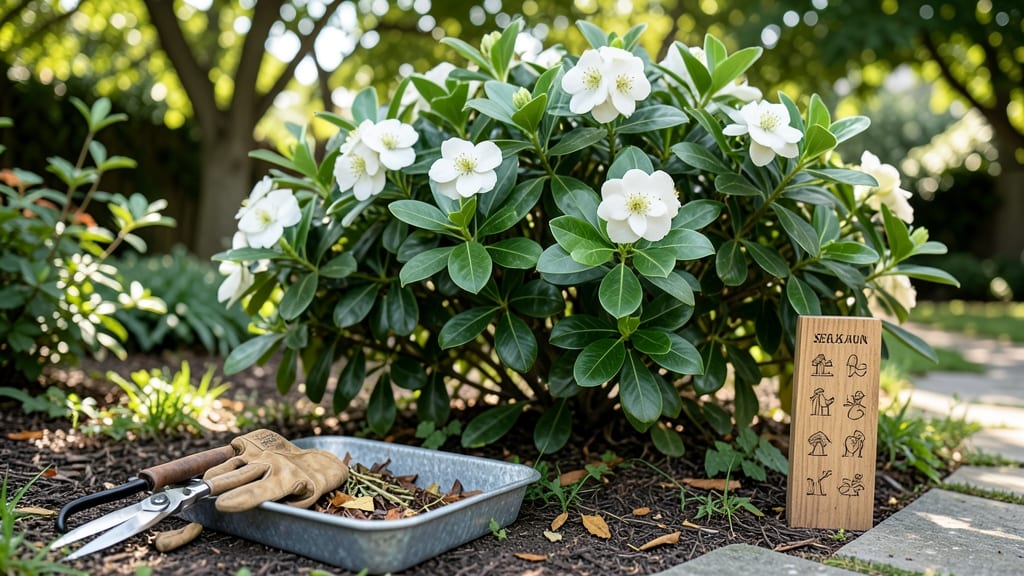
To prune gardenia plants at the best time means waiting until after their spring blooms have faded — a move that keeps your 🌸 shrub healthy and bursting with flowers next season.
Picture this: You’ve just admired your gardenia’s fragrant white blooms, and now you’re wondering, When is the right moment to trim? Cutting too early can rob you of next year’s flowers, while waiting too long risks stunting growth. The timing isn’t just about seasons—it’s about reading your plant’s natural cycle.
Most gardenias thrive in USDA Zone 6a and beyond, where late winter or early spring is ideal for pruning. But if you live in a warmer climate, the rules shift slightly—post-blooming becomes your new benchmark.
I’ll break down the exact months for your zone and how to spot the perfect moment without guessing.
By the end, you’ll know not just when to prune but how to do it—step by step—to encourage lush foliage and abundant blooms year after year. No more second-guessing, just confident pruning.
Best pruning times for gardenias by USDA climate Zones
Pruning your gardenia plants at the right time ensures abundant fragrant blooms and healthy growth. The best time depends on your USDA climate zone and your plant's flowering cycle.
In colder zones (5-8), late winter pruning prevents frost damage, while warmer zones (9-11) allow for early spring or even post-bloom pruning. Let’s break it down by zone to help you time your cuts perfectly.
Gardenias typically bloom in late spring to summer, so pruning too late can remove next year’s flower buds. The key is to prune after blooming in most zones but before budding in colder climates.
Always use sterilized pruners to avoid disease spread, and never cut more than 1/3 of the plant in a single session. Let’s explore the ideal timing for your specific zone.
| USDA Zone | Best Pruning Time | Frost Risk | Flowering Trigger | Action |
|---|---|---|---|---|
| Zones 5-6 | Late February to early March | High (first frost: Oct-Nov) | Spring blooms (April-May) | Prune before buds form to avoid removing blooms. |
| Zones 7-8 | Early March to late March | Moderate (first frost: Nov-Dec) | Spring blooms (May-June) | Prune after last frost but before buds swell. |
| Zones 9-10 | Late February to early April | Low (frost rare) | Year-round blooms (peaks spring-fall) | Prune after blooming (June-July) or in late winter. |
| Zone 11 | January to February | None | Year-round blooms | Prune lightly after blooms to encourage new growth. |
In Zones 5-6, where frost is a major concern, prune in late February to early March to allow time for new growth before the spring blooming cycle. This timing avoids damaging tender new shoots with late frosts.
For Zones 7-8, aim for early to late March, just as the last frost threat passes but before buds begin to swell—typically around May.
Warmer climates (Zones 9-11) offer more flexibility. In Zones 9-10, prune either after blooming in June-July or in late winter (February) to shape the plant. In Zone 11, where gardenias bloom year-round, a light pruning in January-February keeps the plant compact without disrupting flower production.
Always prioritize sterile cuts to prevent fungal infections.
Pay attention to your gardenia’s natural growth patterns. If your plant blooms in summer or fall, prune immediately after flowering to encourage next year’s buds.
For spring-blooming varieties, wait until after the last frost but before buds appear. Over-pruning can stress the plant, leading to fewer blooms and weaker stems.
Use sharp, clean pruners and make cuts at a 45-degree angle just above a leaf node. Remove dead or diseased branches first, then shape the plant by trimming back overly long stems.
Avoid cutting into old wood, as gardenias bloom on new growth. For container gardenias, prune slightly earlier than in-ground plants to account for microclimate differences.
After pruning, apply a layer of mulch around the base to retain moisture and regulate soil temperature. Water deeply before and after pruning to reduce stress. In drier climates (Zones 9-11), consider a light shade cloth for the first few weeks post-pruning to protect new growth from intense sun.
Monitor your gardenia for new growth in the weeks following pruning. Healthy shoots should emerge within 4-6 weeks, signaling successful timing. If you notice yellowing leaves or stunted growth, you may have pruned too late or too aggressively. Adjust your approach for next year based on these signs.
Remember, gardenias thrive on consistency. Stick to your zone’s recommended pruning window each year, and your plant will reward you with lush foliage and fragrant blooms season after season. With the right timing, your gardenia will become the showstopper of your garden.
How gardenia flowering cycles affect pruning timing
Gardenia plants follow natural flowering cycles that determine the best pruning windows for your climate. Unlike annuals, gardenias bloom on old wood, meaning last year's growth produces this year's flowers.
Pruning at the wrong time—like during bud formation—can reduce blooms or even kill new growth. Understanding whether your gardenia blooms in spring or summer/fall is key to timing pruning correctly.
Most gardenia varieties bloom in late spring to early summer, but some tropical types produce flowers in fall or winter. Your plant’s natural cycle dictates whether you prune after blooming (for summer/fall types) or before budding (for spring types).
Even a 2-week difference can impact flower production. Let’s break down how to spot your gardenia’s cycle and adjust pruning accordingly.
If you’re unsure about your gardenia’s bloom time, track its flowers for a year. Most gardenias in USDA Zones 8-11 bloom in spring, while those in cooler zones (6-7) may have a delayed summer cycle. Over-pruning can stress the plant, so limit cuts to 20-30% of the plant per session.
Always use sterilized shears to prevent disease spread.
Pro tip: Deadhead spent blooms (remove faded flowers) year-round to redirect energy to new growth. This keeps your gardenia bushier and more productive without disrupting its natural cycle. Just avoid cutting into woody stems—focus on soft, leafy growth only.
Timing pruning to your gardenia’s cycle ensures healthier stems, more blooms, and longer vase life for cut flowers. With the right approach, your gardenia will reward you with fragrant, lush blooms for years to come. 🌸