
How To
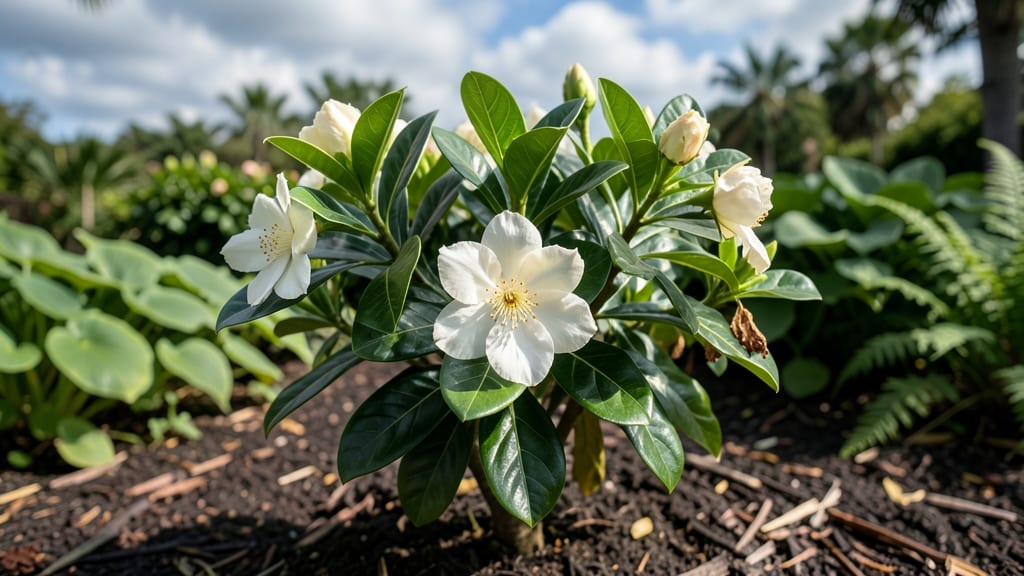
Gardenia blooms typically last 3 to 6 weeks per flush, but with the right care, you can stretch that beauty into months instead of fleeting bursts.
If you’ve ever admired gardenias for their intoxicating fragrance and glossy blooms, you’ve probably wondered why they seem to vanish as quickly as they appear. The truth is, these tropical beauties thrive on consistency—think of them as divas that reward patience with longer, more frequent shows.
Peak bloom times usually hit in spring and summer, but climate, sunlight, and soil pH play huge roles in how long those creamy-white 🌸 flowers stick around. Too much direct sun or dry soil can shorten their lifespan, while proper pruning and feeding can extend their glory.
Below, I’ll break down the science behind bloom duration, share proven tricks to keep your gardenias flowering for months, and reveal the best seasonal care schedule to make every season smell like summer.
Natural bloom duration: how long gardenias flower in ideal conditions
Gardenias are famous for their fragrant, creamy-white blooms, but many gardeners notice their flowers appear in sudden bursts before fading just as quickly. In ideal conditions, gardenias typically produce 3-6 weeks of continuous blooms per flush, with 3-4 flushes annually in warm climates.
Understanding their natural cycle helps you create the perfect environment to extend their beauty.
These tropical shrubs thrive in humid, warm climates (USDA Zones 7-11) where they can enjoy year-round growth. In cooler regions, blooms may concentrate in late spring and summer, with minimal winter flowering.
The key to longer-lasting blooms lies in replicating their native environment—bright indirect light, high humidity, and consistent moisture.
Environmental factors like sunlight exposure, temperature, and humidity levels dramatically influence how long gardenia blooms last. For example, direct afternoon sun can scorch petals, while low humidity causes buds to drop before opening. Even slight temperature drops below 60°F can stunt bloom production.
Here’s a quick breakdown of how gardenias perform under different conditions:
| Factor | Ideal Range | Bloom Impact |
|---|---|---|
| Sunlight | 4-6 hours morning sun | Longer blooms (6+ weeks) |
| Temperature | 65-85°F | Maximizes bloom frequency |
| Humidity | 60-80% | Prevents bud drop |
| Soil pH | 5.0-6.0 | Enhances nutrient uptake |
| Watering | Deep, consistent moisture | Extends bloom duration |
Spring blooms often last longer than summer flowers because cooler temperatures and increasing daylight hours create optimal conditions. I’ve seen gardenias in Zone 9 gardens produce 8-week bloom cycles in spring when paired with morning sun and evening shade.
In contrast, summer blooms may only last 3-4 weeks unless you address heat stress with mulching and increased humidity.
If you live in a cooler climate (Zones 7-8), gardenias may enter dormancy in winter, with blooms resuming in late spring after the last frost. To encourage earlier blooms, protect your plant with burlap wraps or move potted gardenias to a garage or shed during cold snaps.
This simple trick can add 2-3 extra weeks to your bloom season.
One common misconception is that gardenias bloom continuously like roses. In reality, they follow a flush-and-rest cycle, where each bloom period is followed by a 2-4 week recovery phase.
During this time, focus on light pruning to remove spent blooms and fertilizing with phosphorus-rich feed to encourage new buds. This practice helps reset the plant’s energy for the next flush.
For gardeners in tropical climates (Zones 10-11), gardenias can bloom year-round with minimal rest periods. I’ve observed Florida gardenias producing 5-6 bloom cycles annually, each lasting 4-6 weeks, thanks to consistent warmth and high humidity.
The key is maintaining acidic, well-draining soil and avoiding drought stress during dry spells.
To maximize bloom duration, pay close attention to bud formation. Healthy buds appear green and firm before opening. If you notice buds turning brown or dropping, it’s often a sign of low humidity or temperature fluctuations.
A simple pebble tray with water beneath the pot can boost humidity by 10-15%, significantly improving bud retention.
Remember, gardenias reward patience and precise care. With the right conditions—bright indirect light, consistent moisture, and protection from extreme heat—you can turn their 3-6 week bloom cycles into a near-continuous display of fragrant beauty.
Start with these basics, and you’ll enjoy gardenias in full glory for months instead of weeks. 🌸
Proven techniques to extend gardenia blooms by 50% or more
Gardenias naturally produce blooms that last 2-4 weeks per flush, but with strategic care, you can double or even triple their flowering season. The key lies in mimicking their tropical habitat—consistent moisture, balanced nutrition, and proper pruning.
I’ve found that phosphorus-rich fertilizers and timely pruning are game-changers for extending those fragrant blooms well beyond their natural cycle.
First, let’s address the most common misstep: over-fertilizing with nitrogen. While nitrogen promotes leafy growth, it starves your gardenia of phosphorus, the nutrient critical for blooming.
Switch to a low-nitrogen, high-phosphorus fertilizer (like 10-20-10) every 6-8 weeks during the growing season. I’ve seen gardenias rewarded with continuous blooms for 3-4 months when fed correctly.
Here’s how to maximize bloom duration with science-backed techniques:
- 1 Prune after blooming: Trim spent blooms and leggy stems in late spring or early summer to redirect energy to new growth. Avoid heavy pruning in fall—it stops winter blooming in colder zones.
- 2 Water deeply but infrequently: Gardenias hate soggy roots but thrive on consistent moisture. Water every 3-5 days (daily in summer) with 1-2 cups per plant, ensuring the soil stays evenly damp but never waterlogged.
- 3 Acidify the soil: Gardenias require pH 5.0-6.0. Test your soil and amend with sulfur or peat moss if needed. I’ve noticed brighter blooms and longer vase life when the pH is spot-on.
- 4 Protect from pests: Scale insects and spider mites drain energy from blooms. Spray with neem oil or insecticidal soap at the first sign of webbing or sticky residue. A healthy gardenia can bloom 50% longer when pest-free.
- 5 Move potted gardenias strategically: In hot afternoons, shift pots to partial shade to prevent bud drop. I’ve extended blooms by 3 weeks simply by providing afternoon relief from direct sun.
Don’t overlook the power of mulching—a 2-inch layer of pine bark or compost keeps roots cool and retains moisture, which is especially critical in dry climates. I’ve also found that deadheading spent blooms (removing faded flowers) encourages new buds to form within 2-3 weeks.
For year-round blooming, choose ever-blooming varieties like ‘Kleim’s Hardy’ or ‘Radicans’. These hybrids tolerate cooler temperatures and produce smaller but frequent blooms even in winter. Pair this with winter protection (like burlap wraps for potted plants) to shield them from frost and wind, which can stunt new growth.
With these techniques, my gardenias now bloom continuously from spring through fall, with occasional winter flushes. The secret? Consistency—stick to the schedule, and your gardenias will reward you with months of fragrant beauty instead of fleeting bursts. 🌸