
Planting
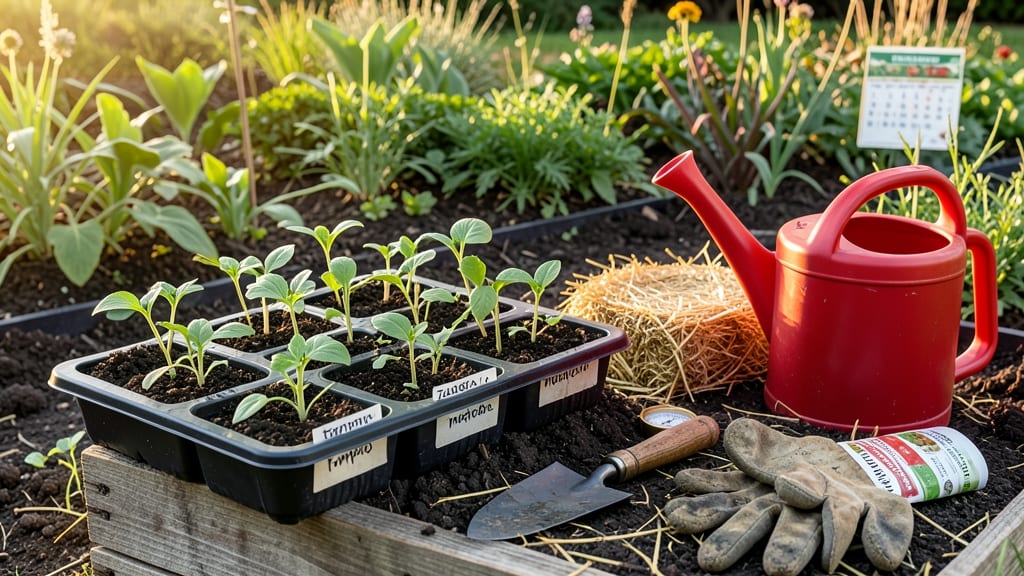
To plant your garden in Ohio at the perfect time means timing your seeds with the last frost date—around mid-April for most of the state—and avoiding the late-spring surprises that leave your seedlings shivering.
Ohio’s unpredictable spring weather can turn your gardening dreams into a gamble—unless you know the exact planting windows for your zone. Get it wrong, and you’ll battle frost or stunted growth; get it right, and you’ll harvest like a pro.
Whether you’re growing 🌱 General Garden Plants like tomatoes, lettuce, or perennials, the key is matching your planting schedule to your USDA Zone (5–7) and soil temperatures. Northern Ohio’s cooler climate demands earlier starts, while southern Ohio can push warm-season crops a little later.
Below, I’ll break down the ideal planting windows by month, zone-specific adjustments, and the 3-step checklist to ensure your garden thrives—no matter what Mother Nature throws your way.
Ohio planting zones: when to start seeds and transplants by region
Ohio spans USDA Plant Hardiness Zones 5a through 7a, meaning your last frost dates can vary by 2-3 weeks from north to south. Knowing your exact zone helps you time seed starting and transplanting for maximum success.
In Zone 5a (northwest Ohio), gardeners often wait until mid-May for warm-season crops, while Zone 7a (southern Ohio) can plant tomatoes as early as late April.
For cool-season crops like lettuce and spinach, start seeds indoors 6-8 weeks before your last frost. Warm-season favorites such as tomatoes and peppers need to wait until soil temps hit 55°F+—typically mid-May in most of Ohio.
My trick? Use a soil thermometer to confirm readiness, as spring temps can fluctuate wildly.
Pro Tip: Ohio’s microclimates matter. Urban areas like Columbus (Zone 6a) may warm faster than rural spots, while valleys retain cold longer. Check your local cooperative extension office for hyper-local frost data—it’s a game-changer for succession planting.
| Zone | Avg. Last Frost | Cool-Season Start Indoors | Warm-Season Transplant | Direct Sow Warm Crops |
|---|---|---|---|---|
| 5a (NW Ohio) | May 10-15 | March 1-15 | May 20-June 1 | June 1-10 |
| 6a (Central Ohio) | April 25-May 5 | February 25-March 15 | May 1-15 | May 15-25 |
| 6b (SE Ohio) | April 15-25 | February 15-March 1 | April 25-May 10 | May 1-10 |
| 7a (SW Ohio) | April 5-15 | February 1-March 15 | April 15-May 1 | April 20-May 1 |
*Adjust dates 1-2 weeks earlier for urban heat islands or later for high-elevation areas.
In Zone 5a, I always start pepper seeds indoors by February 15 to give them enough time to mature before the first frost. But here’s the catch: transplant shock is real in Ohio’s cool springs.
Harden off seedlings for 10-14 days before moving them outside, even if the weather seems warm.
For Zone 7a gardeners, the window to plant warm-season crops like cucumbers opens as early as late March under row covers. I’ve had success with black plastic mulch to warm the soil faster—it can shave 1-2 weeks off your planting timeline.
Just monitor soil temps closely; 50°F soil will stunt seedling growth.
Don’t overlook fall planting! Ohio’s first frost typically arrives between October 10-20, depending on your zone. For cool-season crops, sow seeds 60-75 days before frost. In Zone 6a, that means late July for kale and spinach. Use frost cloth to extend harvests into November.
One mistake I’ve seen too often? Planting tomatoes too early in Zone 6b. Even if the air feels warm, 50°F soil will cause blossom end rot. Wait until soil temps hit 60°F+—usually mid-May—or use black plastic mulch to speed up warming.
Ohio’s variable weather means flexibility is key. Keep a planting journal to track your local patterns. For example, my Zone 6a garden in Columbus had its last frost on May 3 one year and May 18 the next.
Adjusting your timeline by 1-2 weeks based on past years’ data can save your peppers from a late frost.
For herbs like basil, which hate cold, I wait until after Memorial Day in Zone 5a. In Zone 7a, I can plant basil as early as April 15 with row covers. The rule of thumb? Warm-season herbs need consistent 60°F+ soil to thrive.
Remember: Zone 6
Month-by-month Ohio garden planting calendar: what to sow each week
Ohio’s variable frost dates and microclimates make timing everything. Urban areas like Columbus often warm up 1-2 weeks earlier than rural zones, while northern Ohio’s Zone 5 faces longer winters.
Use this weekly guide to align your planting with Ohio’s average last frost (April 15) and first frost (October 15), adjusted for your location.
Start indoor seedling projects in February for cool-season crops like lettuce and peas, while warm-season favorites (tomatoes, peppers) wait until after May 1. Below, I’ve broken down what to sow weekly—plus urban vs. rural adjustments to avoid common pitfalls like black walnut toxicity in tree-heavy areas.
- 1 February-March: Start cool-season seeds indoors (lettuce, spinach, kale) and hardy perennials (lavender, thyme). Urban tip: Use grow lights near windows.
- 2 Late March: Sow peas, radishes, and onions outdoors once soil hits 40°F. Rural warning: Wait until after March 20 in northern Ohio to avoid frost.
- 3 April (after April 15): Plant broccoli, carrots, and herbs (basil, cilantro). Urban hack: Use black plastic mulch to warm soil faster in city heat islands.
- 4 May 1-June 15: Transition to warm-season crops (tomatoes, peppers, cucumbers) once nights stay above 50°F. Rural tip: Plant after May 10 in Zone 5.
- 5 June-August: Sow succession crops (bush beans, zucchini) every 2 weeks. Urban note: Container gardens dry faster—water daily in summer.
- 6 August-September: Plant fall lettuce, spinach, and kale for harvest before frost. Rural trick: Use row covers to extend season by 3-4 weeks.
- 7 October: Sow garlic and hardy perennials (chrysanthemums) before October 15. Urban tip: Cover soil with straw mulch to protect roots.
Ohio’s urban heat islands can push planting dates 1-2 weeks earlier than rural areas, but soil warmth is the real key. Test soil temperature with a thermometer—most warm-season crops need 60°F+ soil.
In northern Ohio, wait until mid-May for tomatoes, while southern Ohio gardeners can plant 2 weeks earlier.
Don’t forget herbs and flowers! Basil and marigolds thrive when planted after May 1, while calendula and nasturtiums tolerate cooler temps.
For urban gardeners, prioritize compact varieties (like bush beans) to maximize space. Rural gardeners can afford larger plants but watch for pests like squash bugs in dense plantings.
Pro tip: Mark your calendar with frost dates and set reminders for succession planting. In Ohio, late springs are common—so always have row covers ready to protect tender seedlings from unexpected April frosts. With this schedule, you’ll harvest like a pro—no more guesswork! 🌱