
Planting
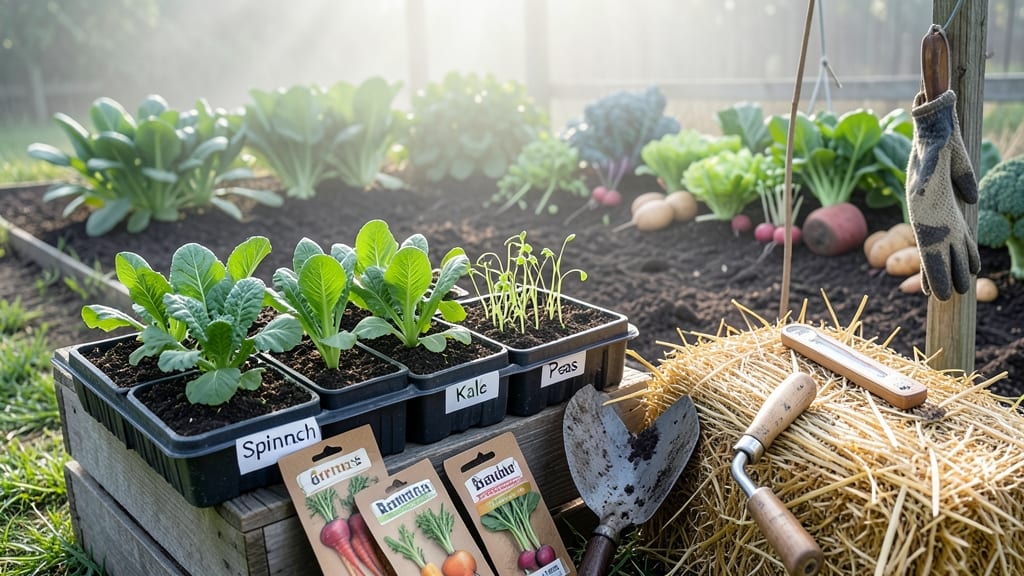
To plant a vegetable garden in Seattle, time your cool-season crops for March and warm-season varieties for late May—missing those windows means frost or heat will ruin your harvest.
Seattle’s unpredictable weather can turn a gardener’s dream into a frost-bitten nightmare—but knowing the exact frost-free timeline for each vegetable variety means you can plant with confidence and avoid wasted seeds.
With 165 frost-free days in USDA Zone 8a, you’ll want to start lettuce and peas by early March, while tomatoes and peppers wait until Memorial Day weekend. The key? Adjusting for microclimates—urban heat islands can push planting dates a week earlier than rural areas.
Below, I’ll break down the perfect planting schedule by month, plus tricks for extending your season with row covers and cold frames so you can grow more in less time.
Seattle’s frost-free planting timeline by month: what to plant when
Seattle’s USDA Zone 8a/8b climate offers a surprisingly long growing season—about 165 frost-free days—but its unpredictable weather demands precise timing. The average last frost date is March 15, while the first frost typically arrives November 15.
Knowing these dates helps you avoid planting too early (risking frost damage) or too late (missing harvest windows).
Cool-season crops like lettuce and spinach thrive in Seattle’s mild springs and falls, while tomatoes and peppers need warmer soil and air. Below, I’ve broken down the ideal planting windows for 20+ popular vegetables, so you can maximize your harvest without wasting seeds or space.
Pro Tip: Use row covers or cold frames to extend seasons by 2–4 weeks in both directions. For example, you can plant kale as early as February with protection, or keep carrots growing until late October.
For warm-season crops, timing is critical. Tomatoes and peppers should only go into the ground after the soil reaches 60°F (usually late April to early May).
Start these indoors in March for transplants ready by May 1. If you’re impatient, use grow lights or a sunroom to jumpstart seedlings.
Seattle’s cool-season crops are your best friends for early and late harvests. Leafy greens like spinach and kale can handle light frosts (down to 20°F), while root vegetables like carrots and beets thrive in 50–65°F soil.
Plant these 4–6 weeks before your last frost for a spring harvest or August–September for a fall harvest.
Don’t overlook succession planting, a Seattle gardener’s secret weapon. For example, sow bush beans every 2
How to adjust planting dates for Seattle’s microclimates and unpredictable weather
Seattle’s coastal climate creates microclimates that can vary by just a few blocks—your neighbor’s urban heat island might be 10°F warmer than your coastal garden. These temperature swings mean last frost dates can shift by weeks, leaving seedlings vulnerable.
The key is flexibility: extend seasons with protective gear and stagger plantings to account for unpredictable weather patterns.
Start by identifying your specific microclimate. Coastal areas near Puget Sound stay cooler and wetter, while inland neighborhoods like Ballard or Fremont can bake in summer. Use local frost data (like WSU Extension’s records) as a baseline, then adjust based on your garden’s exposure.
For example, tomatoes planted in a sheltered south-facing bed may thrive 2 weeks earlier than those in a windy coastal spot.
- 🌱 Use row covers to plant cool-season crops 3-4 weeks earlier (e.g., spinach, kale) by trapping heat and shielding from wind.
- ☀️ Cold frames extend fall harvests by 4-6 weeks—ideal for carrots or beets that need time to mature before frost.
- ✂️ Succession planting every 2 weeks for fast growers like radishes or lettuce ensures a continuous harvest, even if early plantings fail.
- 🌡️ Monitor soil temps—warm-season crops like peppers need soil at 60°F+; use a soil thermometer to avoid false starts.
- 🌧️ Adjust for rain: Coastal areas may need raised beds to prevent waterlogged soil, while inland spots require mulch to retain moisture.
For warm-season crops, like tomatoes or peppers, wait until May 15 (after the average last frost) but have backup seedlings ready. If a late frost hits, row covers can protect young plants for 1-2 weeks.
Inland areas can plant 1-2 weeks earlier than coastal zones, thanks to warmer soil.
Protect tender seedlings with floating row covers or cloches—these add 5-10°F of warmth and deter pests. For late fall plantings, low tunnels (hoop houses with row covers) can keep kale or brussels sprouts growing until December. Always remove covers during the day to prevent overheating.
Succession planting is your secret weapon. Instead of one big lettuce planting in April, sow small batches every 2 weeks until June. This spreads risk: if a late frost wipes out one batch, others will compensate.
Pair this with interplanting—grow radishes (fast, 30 days) between broccoli (slow, 90 days) to maximize space.
Finally, keep a gardening journal to track your microclimate’s quirks. Note when tomatoes finally ripen in your south-facing bed or when spinach bolts in your coastal garden. Over time, you’ll refine your planting dates to beat Seattle’s weather—one harvest at a time.