
Planting
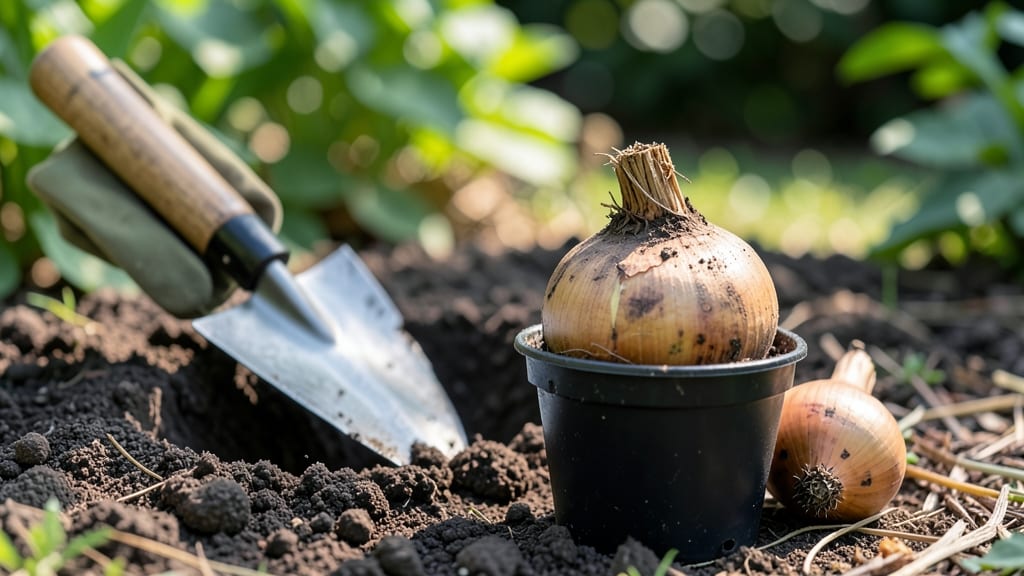
Planting lily bulbs in garden during fall ensures they’ll root before winter and burst into 🌸 blooms next spring — but timing matters more than you think.
Miss the window, and you risk weak roots or even bulb rot. Whether you’re in Zone 6a or a warmer region, knowing the exact month to plant makes the difference between a thriving garden and a missed opportunity.
Below, I break down the ideal planting months for your hardiness zone, soil prep tips, and how to avoid common mistakes that kill blooms before they start.
You’ll learn how to read your local climate, prep the soil, and care for your lilies so they reward you with stunning flowers from June through August.
Best planting months for lily bulbs by USDA hardiness zones
Lily bulbs thrive when planted at the right time—too early, and they’ll rot; too late, and they might not bloom. The ideal window depends on your USDA hardiness zone, soil temperature, and local frost patterns.
In most regions, fall planting (after soil cools to 60°F) gives bulbs time to root before winter dormancy. But exceptions exist, especially in warmer southern zones or cooler northern climates.
For zones 3-5, where winters are harsh, aim to plant 6-8 weeks before first frost—typically September to early October. In zones 6-8, you have flexibility until November, while zones 9-10 can plant as late as December or even early spring if winters are mild.
Always check your last frost date and adjust accordingly.
Soil temperature is critical: bulbs need 40-60°F soil to root without rotting. Use a soil thermometer if unsure—planting too soon in warm soil risks disease. In Southern climates (zones 9-10), avoid summer heat; opt for late fall or winter planting when temps dip below 70°F.
Northern gardeners in zones 3-5 should prioritize early September planting to ensure roots establish before ground freezes. If your area has unpredictable frost, mulch heavily after planting to insulate bulbs. In zones 6-8, a late October planting still allows roots to grow before winter chill sets in.
If you miss the fall window, some northern zones (3-5) allow early spring planting as soon as soil thaws—but bulbs may bloom later. In Southern zones (9-10), spring planting is risky due to summer heat stress; stick to winter months instead.
Always choose high-quality bulbs with firm skins and no soft spots to reduce rot risks.
Regional exceptions matter: Pacific Northwest gardeners (zone 7-8) often plant in late October due to wet soils delaying fall work, while Midwest zones (5-6) may need to plant by mid-October to avoid early frost. Check your local frost date averages—a 10-day buffer ensures safety.
For container gardening, timing shifts slightly: plant 2-4 weeks earlier than in-ground bulbs since pots warm faster. Use well-draining mix and place containers in partial shade if summer temps exceed 80°F. In urban heat islands, bulbs may need extra mulch to protect roots.
Pro tip: Test soil moisture before planting—bulbs rot in soggy soil. Amend clay soil with compost or sand to improve drainage. After planting, water deeply to settle soil around bulbs, then reduce watering until spring growth appears. A 2-inch layer of mulch helps retain moisture and regulate soil temps.
Remember, lily bulbs store energy over winter, so proper timing ensures robust blooms next season. Whether you’re in frigid zone 4 or mild zone 10, aligning planting with your climate’s rhythm guarantees success. Start planning now—your spring garden will thank you!
How to time lily bulb planting for maximum spring blooms
Planting lily bulbs at the right time ensures they establish strong roots before winter, leading to vibrant spring blooms. The key is to plant when soil temperatures drop below 60°F (15°C) but before the ground freezes.
This window typically falls in late summer to early fall, but exact timing depends on your USDA hardiness zone and local climate patterns.
Before you dig, check your bulbs for firmness and root development. Healthy lily bulbs should feel solid with small roots forming at the base. Avoid planting soft or moldy bulbs, as they won’t thrive.
Also, test your soil’s drainage and pH—lilies prefer slightly acidic soil (pH 6.1–7.0) and won’t tolerate soggy conditions.
Step-by-Step Guide to Planting Lily Bulbs
-
Step 1: Choose the Right Time
Plant in September–October for most zones (3–10). In warmer climates (zones 8–10), plant in late summer (August) to avoid winter rains. Check your local frost forecast—bulbs need 6–8 weeks to root before frost. -
Step 2: Prepare the Soil
Loosen soil to a depth of 12 inches and mix in 2–3 inches of compost. Lilies need well-draining soil—amend heavy clay with sand or perlite. Test drainage by digging a hole, filling it with water, and checking if it drains within 30 minutes. -
Step 3: Plant at the Correct Depth
Dig holes 4–6 inches deep (twice the bulb’s height) and space them 4–6 inches apart. Place the bulb with the pointy end up and roots facing downward. Cover with soil, leaving the top of the bulb 2 inches below the surface. -
Step 4: Water Thoroughly
Water immediately after planting to settle the soil. Keep the area consistently moist (not soggy) for the first 2–3 weeks. Mulch with 2–3 inches of organic mulch (like straw or shredded leaves) to retain moisture and protect roots in winter. -
Step 5: Use Moon Phases (Optional)
Some gardeners plant bulbs during the waxing moon (when the moon is growing) for stronger root growth. The root moon (last quarter) is ideal for planting below-ground crops like bulbs. Check a moon phase calendar for your region.
Pro Tip: Mark your planting spots with biodegradable flags to avoid disturbing the soil in spring.
After planting, monitor weather forecasts for early frosts. If frost is predicted within 2 weeks, cover bulbs with straw or mulch to insulate them. In spring, resume watering when shoots emerge (2–3 inches tall) and fertilize lightly with a balanced 10-10-10 formula to encourage blooming.
Lilies planted at the right time will reward you with bold, fragrant blooms in late spring or early summer. The secret? Patience and preparation—healthy roots in fall mean stunning flowers next year. With these steps, your garden will be ready to burst with color by June or July.
Remember, lilies are perennials, so they’ll return year after year with proper care. Start now, and you’ll enjoy their elegant blooms for seasons to come! 🌸