
Planting
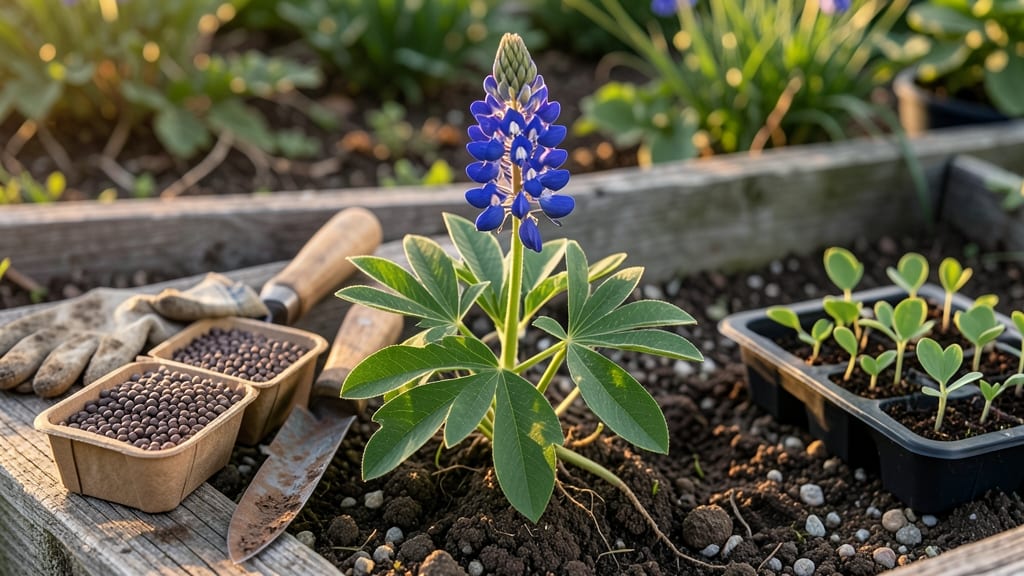
Planting your spring garden in Texas at the right time means catching that narrow window between frost risk and scorching summer heat—because one wrong move can mean lost seedlings or stunted harvests.
Texas gardeners know timing is everything—plant too early and frost can wipe out your hard work, but wait too long and summer’s scorching heat arrives. Mastering the perfect planting window for your spring garden means avoiding both extremes and maximizing your harvest potential.
Whether you're in the cooler North Texas hills or the balmy Gulf Coast, the ideal planting dates shift dramatically.
Cool-season crops like lettuce and peas need to go in as soon as the soil warms, while tomatoes and peppers should wait until after the last frost—usually mid-March in the Panhandle but late February near the coast.
Below, I’ll break down the exact frost-date map by region, plus plant-by-plant schedules so you can time your garden like a pro—no more guessing games or wasted seed packets.
Texas spring planting zones: frost dates by region and plant type
Texas spans 11 USDA hardiness zones, creating dramatic differences in frost timing from the Panhandle to the Rio Grande Valley. In North Texas (Zones 7-8), gardeners face late spring frosts until mid-April, while South Texas (Zones 9-11) enjoys frost-free conditions by mid-February.
Understanding these regional frost windows helps you choose the right planting dates for cool-season crops versus heat-loving staples.
Cool-season crops like lettuce, broccoli, and onions thrive when soil temps stay below 75°F, making early spring ideal. Meanwhile, tomatoes, peppers, and beans need warm soil (above 60°F) and can’t tolerate frost.
Below, I’ve broken down frost dates and ideal planting windows for Texas’ three main regions, plus tips for extending your growing season.
Pro Tip: Use a soil thermometer to confirm readiness—50°F is the magic number for cool-season seeds, while 60°F+ is essential for warm-season transplants. Check my frost-date map reference below for your exact location’s average last frost.
| Region | Avg. Last Frost | Cool-Season Crops (Plant) | Warm-Season Crops (Plant) | Key Challenges |
|---|---|---|---|---|
| North Texas (Zones 7-8) | Mid-April |
Feb 1–Mar 15 Lettuce, Spinach, Peas, Broccoli |
Apr 15–May 1 Tomatoes, Peppers, Okra |
Late frosts, drought risk, rapid summer heat |
| Central Texas (Zones 8-9) | Early April |
Jan 15–Feb 28 Kale, Carrots, Radishes, Herbs |
Mar 15–Apr 1 Basil, Cucumbers, Eggplant |
Variable rainfall, soil compaction, urban heat islands |
| South Texas (Zones 9-11) | Mid-February |
Dec 15–Jan 31 Cabbage, Brussels Sprouts, Arugula |
Feb 1–Mar 15 Sweet Potatoes, Black-Eyed Peas, Melons |
Humidity, pests (aphids, whiteflies), early heat spikes |
🌡️ Use a frost-date map like the one from Texas A&M AgriLife to pinpoint your exact last frost date. Adjust planting by 2–4 weeks if your microclimate varies (e.g., urban areas stay warmer).
For North Texas gardeners, cool-season crops like spinach and peas should hit the soil by February 1st to avoid late-March frosts. If you’re in Amarillo or Lubbock, wait until April 15th to plant tomatoes—earlier transplants risk cold damage and stunted growth.
Use row covers or black plastic mulch to warm soil faster in these Zone 7-8 areas.
In Central Texas (Austin, San Antonio), you can start cool-season seeds indoors by December 1st for an early jump, but direct-sow outdoors no earlier than January 15th. Warm-season crops like okra and sweet potatoes thrive when planted after April 1st, once soil temps consistently stay above 65°F. Central Texas’ variable rainfall means prioritizing drought-tolerant varieties like Texas Bluebonnet or Blackfoot daisies.
South Texas gardeners enjoy the longest growing season, but humidity and early heat waves demand quick action.
Plant cool-season crops like Brussels sprouts by December 15th for a spring harvest, then transition to warm-season staples by February 1st. Heat-loving crops such as cowpeas and squash can even be planted in September for a fall harvest, avoiding summer’s peak heat.
Microclimates matter: Urban areas like Houston
Best spring planting schedule for Texas vegetables, herbs, and flowers
Spring in Texas is a gardener's sweet spot—warm soil, longer days, and a burst of color. But with three distinct climate zones (North, Central, South), planting too early risks frost damage while waiting too long means summer heat arrives before your harvest.
The key is knowing exactly when to plant each category for maximum success.
For Texas gardeners, I’ve broken down the best month-by-month schedule by plant type, including leafy greens, root vegetables, fruiting plants, herbs, and annual flowers. This schedule accounts for Texas’s variable frost dates and early heat waves, so you can plan for continuous harvests all season.
| Plant Type | Best Planting Months | Sun Needs | Succession Planting Tip |
|---|---|---|---|
| Leafy Greens (Lettuce, Spinach, Kale) | Feb–March (North), Jan–Feb (Central/South) | Partial shade (4–6 hrs sun) | Sow every 2–3 weeks until April |
| Root Vegetables (Carrots, Radishes, Beets) | Feb–April (North), Jan–March (Central/South) | Full sun (6+ hrs) | Plant radishes first (fastest harvest) |
| Fruiting Plants (Tomatoes, Peppers, Eggplant) | March–April (North), Feb–March (Central/South) | Full sun (8+ hrs) | Start seeds indoors 6–8 weeks before last frost |
| Herbs (Basil, Cilantro, Dill) | Feb–March (North), Jan–Feb (Central/South) | Full sun to partial shade | Sow cilantro every 3 weeks for continuous harvest |
| Annual Flowers (Marigolds, Zinnias, Petunias) | March–April (North), Feb–March (Central/South) | Full sun (6+ hrs) | Deadhead spent blooms for longer seasons |
Leafy greens like lettuce and spinach thrive in cooler spring temperatures, so plant them as soon as soil warms (around 55°F). In North Texas, aim for February–March, while Central and South Texas gardeners can start in January.
Use row covers if nights dip below 32°F to protect tender seedlings.
Root vegetables like carrots and radishes need consistent moisture to grow straight and sweet. Sow seeds every 2–3 weeks from February through April in North Texas, or January through March in warmer zones. For continuous harvests, plant fast-growing radishes first, followed by slower carrots and beets.
Warm-season fruiting plants (tomatoes, peppers, eggplant) are the stars of Texas summers, but they need warm soil to germinate. Wait until soil reaches 60°F+, typically March–April in North Texas and February–March in Central/South. Start seeds indoors 6–8 weeks before your last frost date for a head start.
Herbs like basil and cilantro have different needs—basil loves heat and should wait until April, while cilantro bolts in summer heat.
Plant cilantro every 3 weeks from February through March for a steady supply. Dill is another great succession crop; sow seeds every 4 weeks for continuous blooms and seeds.
Annual flowers like marigolds and zinnias brighten up Texas gardens and attract pollinators. Plant them after the last frost, typically March–April in North Texas and February–March in Central/South. For longer blooms, deadhead spent flowers regularly and consider a second planting in late summer for fall color.
Pro tip: Use mulch to retain soil moisture and drip irrigation to keep roots consistently hydrated. Texas’s unpredictable spring rains can lead to uneven watering, so plan ahead to avoid stressing your plants. With this schedule, you’ll enjoy a bountiful harvest from spring through summer! 🌱