
Planting
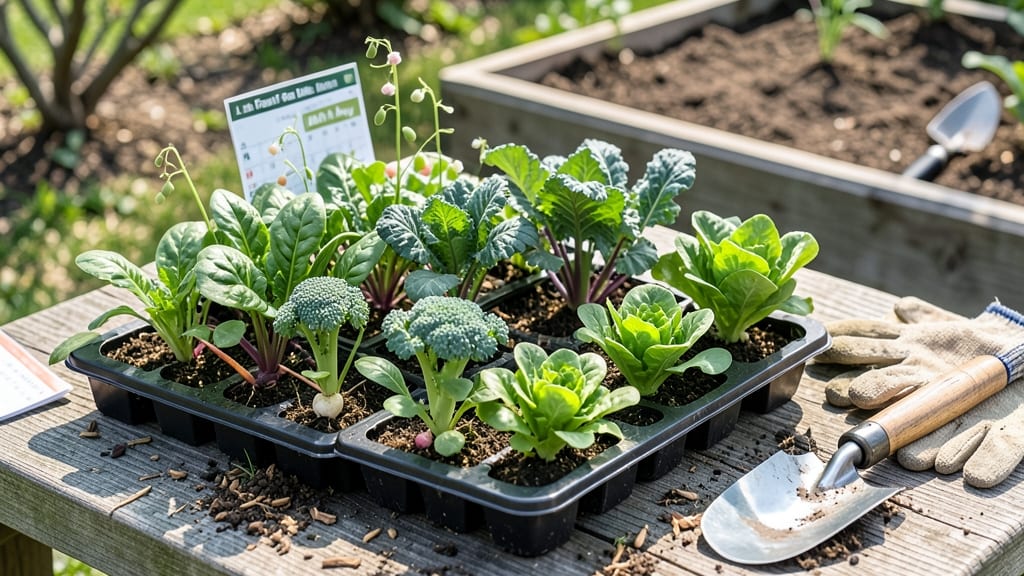
Planting a garden in Wisconsin after the last frost is the key to avoiding frost-nipped seedlings and maximizing your harvest—timing can mean the difference between a thriving plot and a wasted season.
Wisconsin’s unpredictable spring weather can turn a gardener’s excitement into frustration—planting too early risks frost damage, while waiting too long shortens your growing season. But with the right timing, you can maximize yields and thrive in the Midwest’s unique climate.
This guide breaks down the perfect planting windows for Wisconsin’s USDA zones 4a-6b, from hardy greens in early spring to heat-loving tomatoes by mid-June. We’ll also cover soil prep, frost-free date calculators, and how to adjust for early or late seasons.
Whether you’re sowing seeds indoors in March or transplanting seedlings in May, you’ll learn exactly when to plant General Garden Plants (Wisconsin) 🌱 for a bountiful harvest from spring to fall.
Wisconsin’s frost-free date calculator: planting timelines by region
Determining your last frost date is the first step to a successful Wisconsin garden. With USDA zones 4a-5b across the state, frost timing varies dramatically—from late April in southern Wisconsin to early June in the north.
Using historical data from the UW Extension and local weather records, I’ve broken down planting windows by region so you can avoid frost damage while maximizing your growing season.
Your frost-free date isn’t just about avoiding cold snaps—it’s about aligning your planting schedule with soil warmth and daylight length. For example, cool-season crops like spinach can handle light frosts, while warm-season tomatoes need soil temperatures above 55°F (13°C) to thrive. Below is a region-specific guide to help you plan.
🌱 PRO TIP: Bookmark the National Oceanic and Atmospheric Administration (NOAA) frost probability maps or use the Old Farmer’s Almanac for real-time updates. These tools adjust for year-to-year variability, which can shift your frost date by 1-2 weeks either way.
For cool-season crops, you can start planting 4-6 weeks before your last frost date. These hardy plants—like kale, spinach, and peas—can often survive light frosts and even thrive in cooler temperatures.
In USDA zone 4a (northwest Wisconsin), this might mean sowing seeds in late April, while in zone 5b (southern Wisconsin), you could start as early as mid-March under row covers.
Warm-season crops, however, demand patience. Tomatoes, peppers, and cucumbers need soil temperatures above 60°F (16°C) to germinate properly. In northern Wisconsin, this often means waiting until late May or early June. To speed up the process, use black plastic mulch or heat mats to warm the soil faster.
I’ve even seen gardeners in zone 4a use mini greenhouses to start warm-season plants indoors in April.
Don’t forget about succession planting—a technique that lets you stretch your harvest by sowing seeds every 2-3 weeks. For example, in Madison (zone 5b), you can plant lettuce every 10 days from April to July to ensure a steady supply.
This method works especially well for radishes, beans, and bush beans, which mature quickly.
If you’re unsure about your exact frost date, use the 3-4-5 rule: Subtract 3 days for early bloomers, 4 days for average bloomers, and 5 days for late bloomers from your region’s average last frost date.
For instance, if your average last frost is May 10, plant cool-season crops by April 25 for early varieties. This buffer accounts for late frosts that can still occur.
For real-time tracking, I recommend downloading the NOAA Climate Data app or checking the Wisconsin State Climatology Office website. These resources provide hyperlocal frost data that can shift your planting timeline by 1-2 weeks depending on your exact location.
Pro gardeners in Wisconsin also swear by planting after lilacs bloom—a natural indicator that frost risk has dropped significantly.
🌿 REMINDER: Always test your soil temperature with a soil thermometer before planting warm-season crops. Soil that’s too cold will delay germination, leaving your plants vulnerable to pests or disease. Aim for 50°F (10°C) for peas and 60°F (16°C) for tomatoes.
Best planting schedule for Wisconsin gardens: month-by-month guide
Wisconsin’s cool, variable climate demands a strategic planting schedule to avoid frost damage and maximize harvests. Whether you’re in northern USDA Zone 3 or southern Zone 5b, timing is everything. Below is your month-by-month roadmap for sowing seeds, transplanting seedlings, and direct-sowing outdoors, tailored to Wisconsin’s unique growing conditions.
Southern Wisconsin (e.g., Madison, Milwaukee) enjoys 200+ frost-free days, while northern areas (e.g., Green Bay, Eau Claire) have 150–175 days. Adjust deadlines by 1–2 weeks based on your location—check your last average frost date via the UW Extension’s frost calculator.
For example, tomatoes and peppers need warmth, so wait until after May 15 in most regions.
For northern Wisconsin, delay tomato and pepper planting until after June 1—these crops need 90+ days of warmth. In southern Wisconsin, you can squeeze in two tomato crops: one in early May and another in late July.
Always monitor soil temperature—use a soil thermometer to ensure it’s 50°F+ for cool crops and 60°F+ for warm-season plants.
Pro tip: Use Wisconsin’s "3-4-5 Rule"—plant 3 weeks earlier in southern WI, 4 weeks later in northern WI, and 5 weeks before/after for succession crops. Adjust for microclimates (e.g., urban areas may warm faster than rural zones).
With this schedule, you’ll enjoy fresh produce from May through October—or even later with row covers!
🌱