
Plants
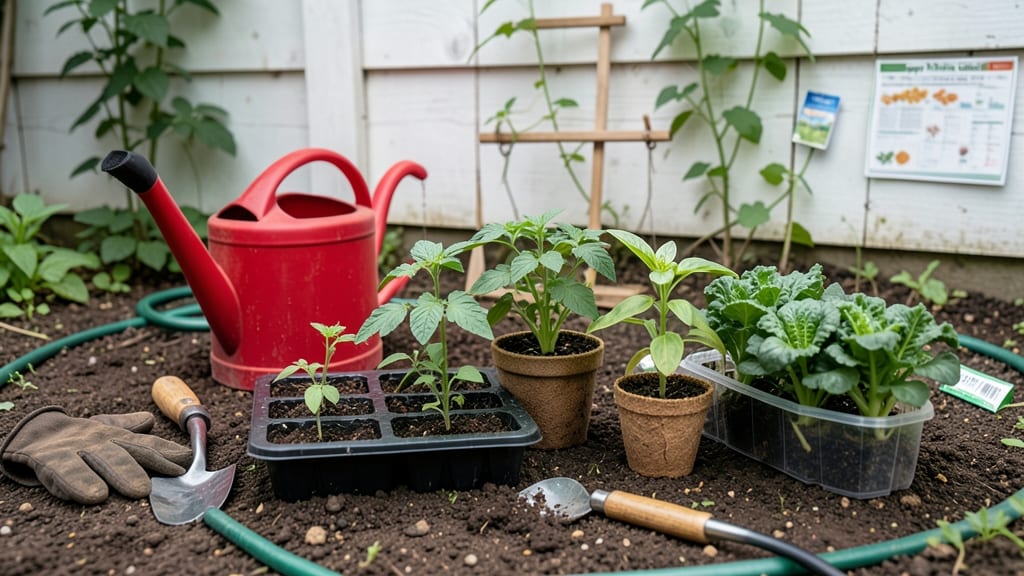
Planting garden plants at the right time means the difference between a lush, productive garden and a sad, withered mess—so knowing your last frost date is the first step to success.
Picture this: you’ve spent weeks nurturing seedlings indoors, only to rush them outside too early, where a surprise frost turns your green dreams into crispy snacks. It’s a heartbreaking mistake I’ve made more times than I’d like to admit.
Whether you’re growing veggies, flowers, or herbs, timing matters. In USDA Zone 6a, like many gardeners, your window to plant opens around April 15—but not all plants are ready for that same deadline.
Below, I’ll break down exactly when to plant cool-season crops (like lettuce and spinach) versus warm-season favorites (tomatoes, peppers), plus how to stretch your growing season with simple tricks that work in any climate.
Frost-free Zone calculator: how to determine your planting timeline
Timing your garden planting perfectly can mean the difference between a thriving harvest and wasted seeds—so knowing your frost-free zone and ideal plant schedules is non-negotiable.
The USDA Plant Hardiness Zone Map gives you a starting point, but your exact last frost date and local microclimates (like urban heat islands or sheltered valleys) fine-tune the timing for annuals, perennials, and vegetables. Let’s break down how to calculate your precise planting windows step by step.
First, find your USDA Zone using the interactive map on the USDA Agricultural Research Service website. Zones range from 1 (coldest) to 13 (warmest), and each zone has a 10°F temperature range.
For example, Zone 6a (like much of the Midwest) has average minimum temperatures of -5°F to 0°F, while Zone 9a (Southern California) sits at 20°F to 25°F. This tells you which perennial plants will survive winter, but it doesn’t account for annual planting windows.
Next, determine your average last frost date in spring and first frost date in fall. The National Oceanic and Atmospheric Administration (NOAA) provides historical frost data by city, or check local Cooperative Extension Service resources.
For instance, in Zone 6a, the last frost typically falls around April 15, while the first frost arrives on October 15. These dates mark the frost-free growing season, which is critical for warm-season crops like tomatoes and peppers.
Here’s where microclimates come into play. A south-facing slope warms up faster in spring, while a north-facing garden stays cooler longer. Urban areas with concrete and pavement can be 5–10°F warmer than rural areas, delaying frost.
Adjust your planting timeline by 1–2 weeks if your garden is in a warmer microclimate or 1–2 weeks later if it’s cooler. For example, if your zone’s last frost is April 15 but your garden is sheltered, you might plant warm-season veggies as early as April 1.
Now, let’s talk planting windows.
Most cool-season crops (like lettuce, spinach, and peas) can handle light frosts and should be planted 4–6 weeks before your last frost date. Warm-season crops (tomatoes, beans, cucumbers) need soil temperatures above 60°F and should wait until 2–4 weeks after the last frost.
Perennials and shrubs, however, often go in the fall or early spring, depending on their hardiness.
Don’t forget about succession planting! For crops like bush beans or zucchini, sow seeds every 2–3 weeks to extend your harvest. Similarly, leafy greens can be planted in both spring and fall for continuous yields.
Use a frost-free zone calculator (like the one from Old Farmer’s Almanac) to input your location and get customized planting dates for over 30 common crops.
Pro tip: Test your soil temperature with a soil thermometer before planting. Most vegetable seeds need soil temps between 50°F and 90°F to germinate properly. If your soil is too cold, wait a few more days or use black plastic mulch to warm it up faster.
Conversely, if summer heat arrives early, opt for shade-tolerant varieties or use row covers to protect tender plants.
Here’s a quick reference for adjusting your planting timeline based on your zone and microclimate: