
Planting
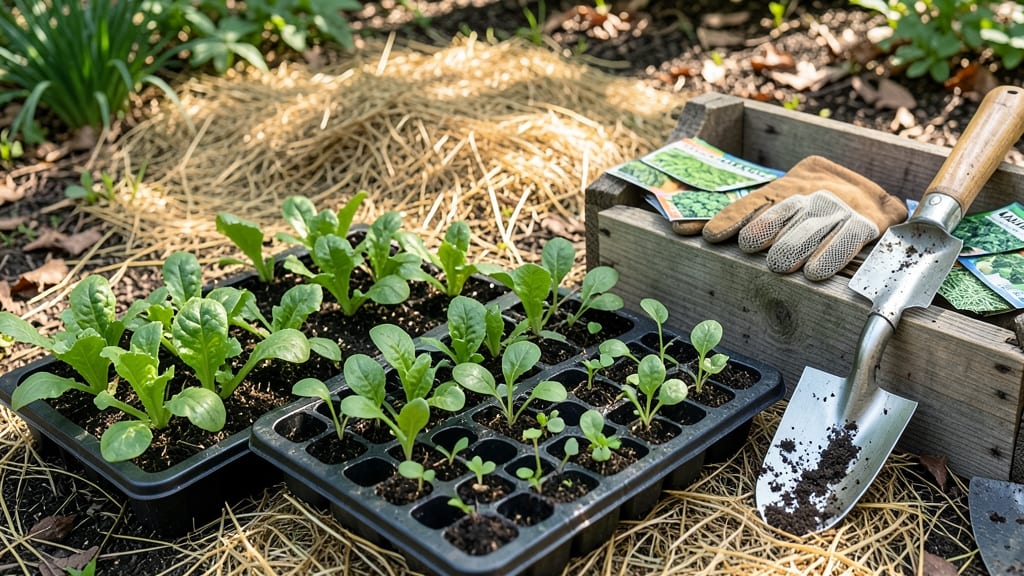
To plant a garden in NC at the right time means timing it with your region’s last frost date—whether you’re growing cool-season greens or heat-loving tomatoes, getting this wrong can mean lost harvests.
North Carolina’s diverse climate means your garden’s success hinges on planting at the perfect time—miss the window, and you risk stunted growth or crop failure. But with the right last frost dates by region, you can maximize yields and avoid common gardening mistakes.
For example, the Coastal Plain’s mid-March average frost date lets you start early with peas and spinach, while the Mountains wait until late April before the last chill passes. Warm-season crops like cucumbers and peppers need even warmer soil, so timing isn’t just about frost—it’s about soil temperature too.
Below, I break down the exact planting windows for each NC region, plus pro tips for adjusting when Mother Nature throws a curveball. You’ll learn how to use row covers, choose heat-tolerant varieties, and even extend your growing season for a second harvest.
NC last frost dates by region: exact timelines for peak garden success
North Carolina’s diverse climate creates wildly different last frost dates—from March 15 in the Coastal Plain to May 1 in the Mountains. These variations mean your planting windows can shift by weeks, impacting everything from cool-season crops to warm-season vegetables.
Understanding your region’s average last frost date helps you avoid frost damage and maximize harvests.
I’ve broken down the 10 key NC regions (Mountains, Piedmont, Coastal Plain) with exact timelines for planting cool-season crops (like spinach and kale) and warm-season crops (like tomatoes and peppers).
Even within regions, microclimates (e.g., valleys vs. hilltops) can shift frost dates by 1-2 weeks. Use these guidelines to adjust for your specific location.
For example, in USDA Zone 7b (common in the Piedmont), the last frost typically arrives around March 25, but in Zone 8a (Coastal Plain), it’s often February 28.
Warm-season crops like tomatoes and peppers should only go in the ground 2 weeks after your region’s last frost date to avoid cold snaps.
Below, I’ve created a comparison table of last frost dates by region, along with ideal planting windows for both cool-season and warm-season crops. This will help you plan your garden layout and succession planting for continuous harvests.
| Region | USDA Zone | Avg. Last Frost | Cool-Season Planting Window | Warm-Season Planting Window |
|---|---|---|---|---|
| Mountains (Asheville) | 6a-7a | May 1 | Feb 15 - Mar 15 | May 15 - Jun 1 |
| Piedmont (Raleigh) | 7a-7b | March 25 | Feb 1 - Mar 15 | Apr 15 - May 1 |
| Coastal Plain (Wilmington) | 8a-8b | February 28 | Jan 15 - Feb 15 | Mar 15 - Apr 1 |
| Sandhills (Pinehurst) | 7b-8a | March 10 | Jan 30 - Feb 20 | Apr 1 - Apr 15 |
| Tidewater (Norfolk) | 8a-8b | February 15 | Jan 1 - Jan 20 | Mar 1 - Mar 15 |
If you’re in the Mountains, you’ll have the shortest growing season, so focus on fast-maturing varieties like bush beans (50 days) or radishes (25 days).
Meanwhile, the Coastal Plain offers a longer frost-free season, allowing for double-cropping (e.g., plant spinach in early spring, then cucumbers after last frost).
For warm-season crops, wait until soil temperatures reach 60°F+—use a soil thermometer to check. In cooler regions like the Mountains, consider starting seeds indoors 6-8 weeks before your last frost date.
For example, tomato seeds in the Piedmont should go in indoors by February 15 for transplanting after March 25.
Don’t forget about fall planting! The first frost in the Mountains arrives around November 1, while the Coastal Plain can extend harvests until December 15.
Plant cool-season crops like kale and carrots in late summer (August-September) for a winter harvest. Use row covers to protect tender greens from early frosts.
Pro tip: Check the NC State Climate Office for localized frost alerts—they often update forecasts weekly. If your region experiences an unusually late frost, delay planting warm-season crops by 2-3 weeks or use frost cloth for protection.
By aligning your planting schedule with these regional frost dates, you’ll avoid common mistakes
How to adjust planting times for NC’s unpredictable weather patterns
North Carolina’s weather can shift faster than a summer storm, leaving gardeners scrambling to adjust planting schedules. When last frost dates arrive late—or worse, false springs trick you into planting too early—your crops pay the price.
The key is flexibility: knowing how to extend seasons, protect tender plants, and choose resilient varieties when Mother Nature throws curveballs.
I’ve learned the hard way that rigid planting timelines don’t work here. Instead, I rely on a mix of season extension tools, heat-tolerant plant selections, and a simple 3-step risk assessment before committing to late-spring planting.
These strategies have helped me salvage gardens after unexpected frosts and push harvests later into fall when temperatures linger.
Here’s my proven system for adapting to NC’s unpredictable weather—so you can turn challenges into bumper crops instead of losses.
- Step 1: Assess Frost Risk – Check NOAA’s 30-day forecast and local CoCoRaHS data for late frosts. If nighttime temps dip below 32°F after your usual planting window, delay or use row covers.
- Step 2: Extend the Season – Use floating row covers (like Reemay) to protect seedlings from light frosts (28-32°F) or low tunnels for heavier frosts (below 28°F). These add 4-6°F of warmth.
- Step 3: Choose Heat-Tolerant Varieties – Swap standard tomatoes for ‘Celebrity’ or ‘Solar Fire’ (handling 90°F+ better). For greens, opt for ‘Malabar spinach’ or ‘Southern cowpeas’, which thrive in humidity.
Don’t let late springs derail your garden. I once planted broccoli in mid-April in the Piedmont, only for a 28°F frost two weeks later. The lesson? Wait until May 15th (or later) for cool-season crops unless you’re using protection.
For warm-season plants like peppers, I now start seeds indoors 8-10 weeks before the average last frost date—then harden them off gradually.
Another trick I swear by is succession planting with fast growers like bush beans or radishes. If your first planting gets nipped by frost, these mature in just 30-40 days, giving you a quick harvest.
Pair them with slower growers like squash or corn, which handle heat better once established.
For fall gardens, I mark my calendar for September 1st as the cutoff for cool-season crops in most of NC. After that, I focus on heat-loving crops like collard greens or mustard greens, which sweeten after light frosts.
Pro tip: Mulch heavily with straw to insulate soil and keep roots warm longer.
When all else fails, embrace the NC gardener’s mantra: “Plant early, plant often, and have a backup plan.” Whether it’s a greenhouse, cold frame, or even a sunny windowsill for seedlings, giving yourself options means your garden thrives—no matter what the weather brings. 🌱