
Planting
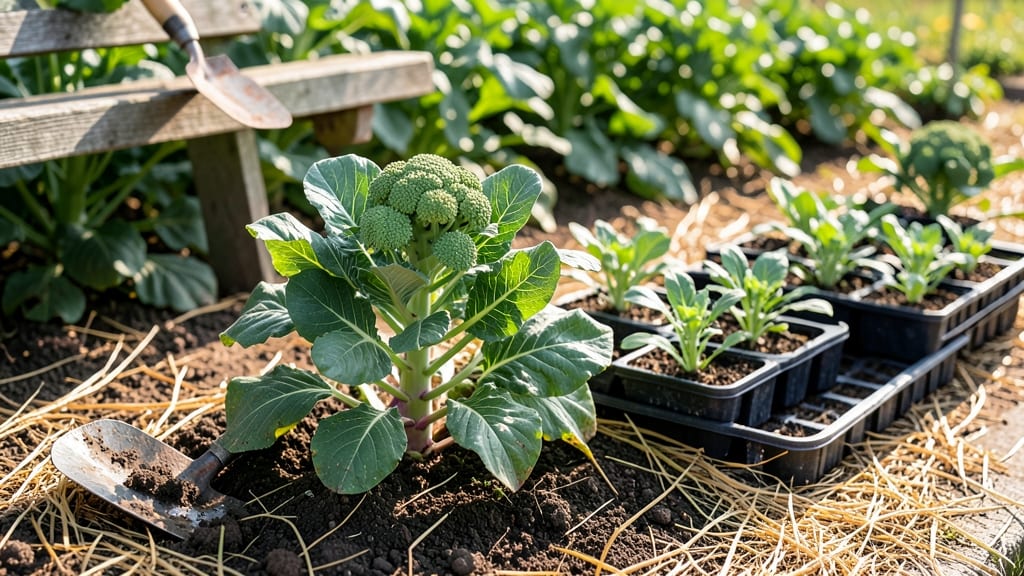
Planting your Fall Garden Vegetables (General) in Zone 7 between mid-August and early October is the key to a bountiful harvest before frost sets in.
Timing your fall garden in Zone 7 can mean the difference between a thriving harvest and wasted seeds—get the dates wrong, and frost will ruin your hard work before you even taste your homegrown veggies.
With USDA Zone 7’s first frost often arriving by late October, you’ve got a narrow window to get seeds in the ground and plants established.
But don’t let that scare you—this guide breaks down the exact planting dates for your favorite cool-season crops, so you can avoid common mistakes and maximize your garden’s potential.
You’ll learn how to adjust for early or late frosts, which crops thrive best in your region, and even how to extend your harvest season with simple tricks. Let’s get those Fall Garden Vegetables (General) 🌱 growing!
Zone 7 fall planting calendar: exact dates for cool-season vegetables
Getting your Zone 7 fall garden planted at the right time ensures a bountiful harvest before the first frost. In this region, the average first frost date falls between October 15-31, but coastal areas may delay frost by 2-3 weeks.
Understanding these planting windows helps you avoid common mistakes like bolting greens or stunted root crops.
For cool-season vegetables, timing depends on the crop's maturity rate and frost tolerance. Fast growers like radishes (25-30 days) can be sown as late as September 15, while slower varieties like broccoli (80-90 days) need an early August start.
Below is your Zone 7 fall planting calendar broken down by crop type and planting strategy.
| Crop Type | First Planting Window | Second Planting Window | Succession Planting | Harvest Time |
|---|---|---|---|---|
| Leafy Greens | Mid-August to early September | Late September (for fast varieties) | Every 2-3 weeks until Sept 20 | Late September to November |
| Root Crops | Early to mid-August | Late August (for shorter varieties) | None (direct sow) | October to November |
| Brassicas | Late July to early August | Mid-September (for cold-hardy types) | Every 3 weeks until Aug 31 | September to November |
| Herbs | Mid-August to September | Late September (for parsley, cilantro) | Every 3 weeks until Sept 15 | October to November |
| Peas | Late August to early September | Mid-September (for snap peas) | None (direct sow) | October to November |
Use this fall planting calendar as your guide, but remember that local microclimates can shift dates by 1-2 weeks. For example, inland areas may experience frost 2 weeks earlier than coastal regions. Always check your last frost date using the USDA Plant Hardiness Zone Map or local agricultural extension service.
For leafy greens like spinach and lettuce, aim to plant 6-8 weeks before frost. These crops thrive in cool weather (50-70°F) and can even survive light frosts, which often sweeten their flavor.
Start with fast-maturing varieties like 'Baby Leaf' lettuce (30 days) or 'Bloomsdale Long Standing' spinach (40 days) for quick harvests.
Root crops such as carrots, beets, and radishes need consistent soil moisture to prevent woody textures. Plant them 8-10 weeks before frost for ideal harvests. Radishes are the fastest, ready in just 25 days, while carrots take 60-80 days.
Use loose, well-draining soil to avoid forked roots—a common issue in compacted soil.
Brassicas like broccoli, cabbage, and kale are cold-hardy powerhouses that can handle light frosts and even improve in flavor. Start these 10-12 weeks before frost for full-size heads. For succession planting, sow every 3 weeks until late August to stagger harvests. Try 'Windsor' f1 hybrid broccoli (60 days) or 'Red Russian' kale (60 days) for reliable yields.
Herbs like parsley, cilantro, and dill add freshness to fall meals and can be planted 4-6 weeks before frost. Cilantro, in particular, bolts quickly in heat, making late summer to early fall the perfect time.
Plant flat-leaf parsley (60 days) or 'Calypso' cilantro (50 days) for a steady harvest. Avoid planting basil in fall—it’s a warm-season herb that won’t survive frost.
To extend your harvest, use row covers or cold frames to protect tender crops like lettuce and spinach from early frosts. These simple tools can push harvests 2-3 weeks later into November. Always monitor your plants and harvest before heavy frost hits, as frozen greens become mushy and inedible.
How to adjust planting dates for early vs. late frost risks in Zone 7
Zone 7 gardeners face unique challenges balancing fall planting with unpredictable frost dates. While the average first frost lands around October 31, your local microclimate can shift this window by 2-4 weeks. Understanding these variations ensures your cool-season crops mature before winter sets in.
Start by checking your last frost date (typically April 15 in Zone 7) and first frost date, but don’t rely solely on averages. Urban areas often experience urban heat islands, delaying frost by 7-10 days, while higher elevations may see frost 2 weeks earlier.
These factors can drastically alter your planting timeline.
Never plant heat-loving crops like tomatoes or peppers after August 15 in Zone 7—they won’t mature before frost. For cool-season crops, plant 4-6 weeks before your average first frost date, but adjust for early frost risks by using row covers or choosing faster-maturing varieties.
Use the USDA Plant Hardiness Zone Map as a starting point, but cross-reference with your local cooperative extension service. They provide hyper-local frost data and can recommend frost-tolerant varieties suited to your area.
For example, spinach and kale can handle light frosts, while lettuce may bolt if planted too early.
Calculate your safe planting window by subtracting your crop’s days to maturity from your first frost date. For instance, if your frost date is October 31 and you’re growing 45-day radishes, plant by September 15.
Always err on the side of earlier planting—you can always thin seedlings, but you can’t replant after frost.
Adjust for microclimates by observing your garden’s patterns. South-facing beds warm up faster, while shady spots may need 2-3 weeks earlier planting. Use frost cloth or low tunnels to extend the season by 2-4 weeks, especially for slow-growing crops like broccoli or Brussels sprouts.
Finally, consult seed packet recommendations for planting dates and frost tolerance. Many packets list "days to harvest" and "frost sensitivity"—use this to fine-tune your schedule. Combine these tools, and you’ll master the art of fall planting in Zone 7 with confidence.