
Planting
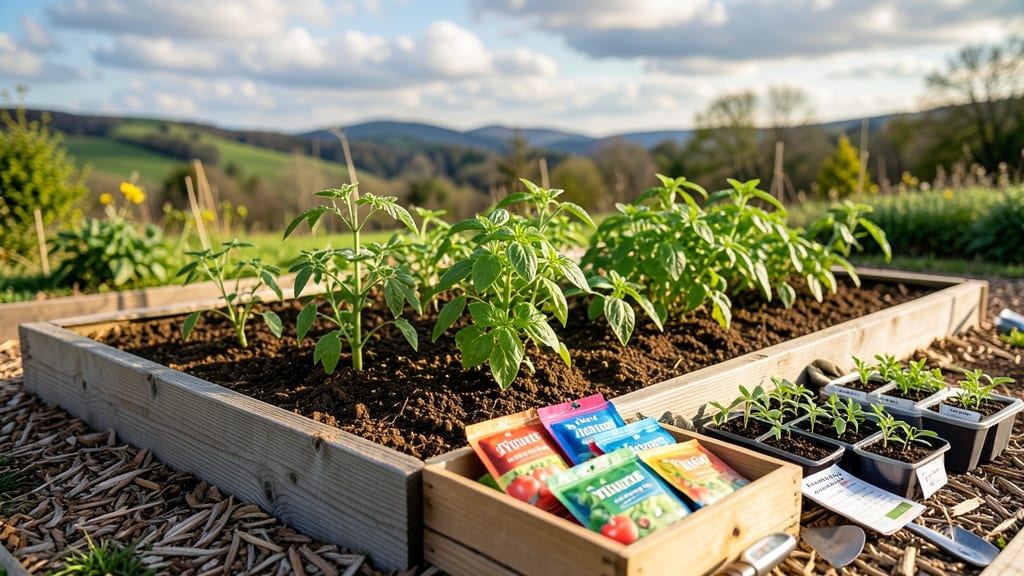
Planting your garden in Kentucky after the last frost date—typically mid-April—sets the stage for a thriving harvest, but timing varies by region and crop.
Kentucky’s unpredictable frost patterns can turn your gardening dreams into a gamble unless you know the exact timing for each plant 🌱. A late frost in Northern Kentucky might wipe out your tomatoes, while Southern Kentucky gardeners can start earlier—sometimes as early as late February for cold-hardy greens.
This guide breaks down the best planting windows for vegetables, flowers, and perennials across Kentucky’s 6a-7a zones, including region-specific last-frost dates and microclimate adjustments. Whether you’re sowing peas in March or transplanting peppers in May, we’ve got you covered.
Discover how to adjust for Kentucky’s unpredictable weather, protect young plants from late frosts, and maximize your harvest with a month-by-month schedule tailored to your location.
Kentucky’s last-frost dates by region: when to plant cool-season vs warm-season crops
Kentucky’s diverse geography means last-frost dates can vary by over 3 weeks between its northern and southern regions. Understanding these microclimates is critical for timing cool-season crops like lettuce and warm-season crops like tomatoes correctly.
Northern Kentucky (USDA Zone 6a-6b) typically sees its last frost around April 15-20, while Southern Kentucky (Zone 7a-7b) often warms up by April 1-10. Central Kentucky falls right in between, with April 10-15 being the safest bet.
For cool-season crops, like spinach and kale, I recommend planting 4-6 weeks before your region’s last frost date. This gives them time to mature before summer’s heat arrives.
In Northern Kentucky, that means early March plantings, while Southern Kentucky gardeners can wait until late February. Warm-season crops, such as tomatoes and peppers, should only go in the ground 2 weeks after your last frost date to avoid frost damage.
Here’s the breakdown you need to plan your garden like a pro:
Microclimates can shift these dates by 1-2 weeks, so pay attention to low-lying areas (which frost longer) and south-facing slopes (which warm faster). If you’re near a large body of water or in a valley, expect later frosts.
Conversely, urban areas with heat islands may warm up earlier. Always have row covers on hand for those unpredictable late frosts that can sneak up even after your region’s average last frost date.
For cool-season crops, like broccoli and peas, I plant my seeds indoors 6-8 weeks before the last frost date.
This gives them a head start and ensures they’re ready to transplant as soon as the soil warms. Warm-season crops, such as cucumbers and squash, need soil temperatures above 60°F to germinate, so I wait until mid-May in Northern Kentucky and early April in Southern Kentucky to plant these heat-lovers.
Don’t forget about fall planting for cool-season crops! In Northern Kentucky, I start seeds indoors in late July for a fall harvest, while Southern Kentucky gardeners can direct-sow until mid-August.
Aim to harvest before the first frost, which typically hits Northern Kentucky around October 15-20 and Southern Kentucky by October 25-November 1.
Pro tip: Use frost-sensitive plants, like basil or okra, as your canary in the coal mine. If they survive a late frost, you’re likely in the clear for other warm-season crops.
If they’re damaged, wait another week before planting heat-lovers. This simple trick has saved me from wasted seed packets and disappointing garden failures.
For gardeners in USDA Zone 7b, like those in
Best planting schedule for Kentucky gardens: month-by-month guide for vegetables, herbs, and flowers
Kentucky’s spring planting window is short but sweet—typically between mid-April and early June. To make the most of it, I’ve broken down the best times to plant your favorite vegetables, herbs, and flowers based on Kentucky’s USDA Zones 6a-7a.
Whether you’re growing cool-season crops like lettuce or heat-loving plants like tomatoes, timing is everything.
For northern Kentucky, aim for late April for most cool-season crops, while southern Kentucky gardeners can start slightly earlier in early April. Warm-season crops like peppers and squash should wait until after Memorial Day to avoid frost damage.
Below, I’ve outlined a month-by-month schedule to keep your garden thriving all season long.
Don’t forget about succession planting—this is how I extend harvests for crops like lettuce and beans. By sowing new seeds every 2-3 weeks during the growing season, you’ll enjoy a continuous supply of fresh produce.
For example, I plant bush beans in early May, again in late June, and once more in early August to keep my pantry stocked.
For flowers and perennials, early spring is ideal. Plant bulbs like tulips in October-November for spring blooms, while annuals like marigolds and zinnias can go in after the last frost.
If you’re growing herbs, most thrive when planted in early spring or late summer—just avoid the hottest months for delicate varieties like cilantro.
Pro tip: Use row covers or cold frames to extend your growing season. I’ve even planted spinach in early March under a simple hoop tunnel, giving me a head start on the season.
With this schedule, you’ll avoid the common mistake of planting warm-season crops too early or cool-season crops too late, both of which can lead to poor yields.