
Planting
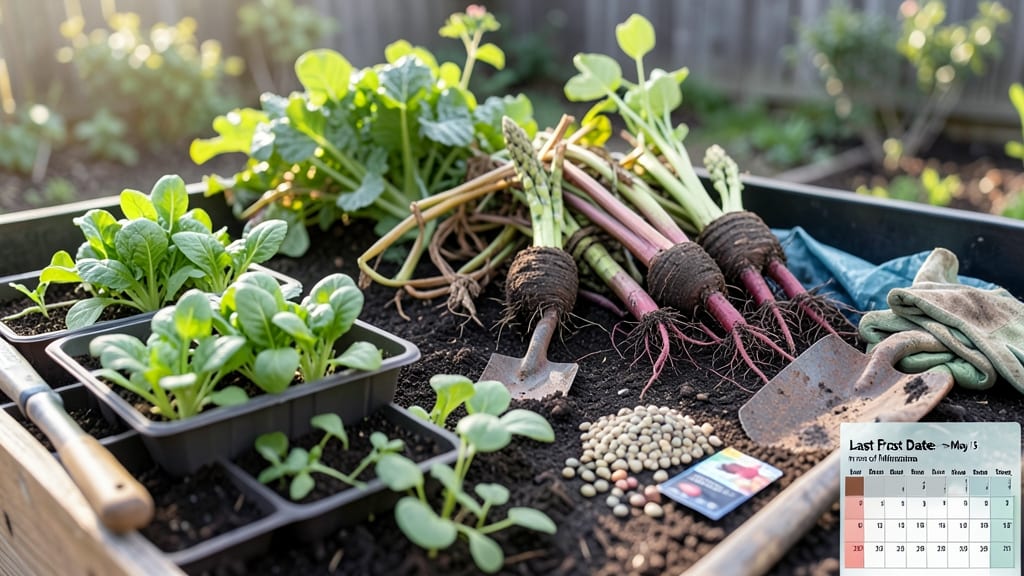
Planting your garden in Minnesota at the right time means the difference between a bountiful harvest and a frost-killed disappointment.
Minnesota’s unpredictable climate can turn gardening into a high-stakes guessing game—but timing your plantings correctly ensures a thriving harvest instead of a frost-killed disappointment. With USDA Plant Hardiness Zones ranging from 3 to 5, knowing the exact frost-free dates and ideal planting windows for your specific zone is non-negotiable.
Cool-season crops like spinach and peas can handle early spring soil, while warm-season favorites like tomatoes and peppers need to wait until after the last frost—usually late May in the south and mid-June in the north. Missing these windows can leave you scrambling for row covers or starting over.
Below, I break down the frost-free dates by zone, a month-by-month planting calendar, and 5 pro tips to adjust for Minnesota’s unpredictable weather—so you can grow with confidence, not guesswork.
Minnesota frost-free dates by Zone: when to start planting cool vs warm-season crops
Minnesota’s frost-free dates vary dramatically across its USDA Zones 3-5, creating challenges for gardeners balancing cool-season crops like spinach and peas with warm-season favorites such as tomatoes and peppers.
Northern zones (like Zone 3) often see their last frost in mid-to-late May, while southern areas (like Zone 5) can push planting into early May.
These differences mean your planting schedule should align with your specific microclimate—whether you're in urban Minneapolis or rural northern Minnesota.
Understanding these frost-free windows is critical because planting too early risks frost damage, while waiting too long can shorten your growing season. For example, cool-season crops like lettuce thrive when planted 4-6 weeks before your last frost, while warm-season crops need soil temperatures above 55°F (13°C) to germinate successfully.
Let’s break down the average frost dates by zone and how they impact your planting timeline.
| Zone | Avg. Last Frost | Avg. First Frost | Cool-Season Planting | Warm-Season Planting | Notes |
|---|---|---|---|---|---|
| Zone 3 (North) | May 15–20 | September 20–25 | April 1–May 10 | May 25–June 1 (after soil warms) | Shortest season; use row covers. |
| Zone 4 (Central) | May 1–10 | September 15–20 | March 20–April 15 | May 10–20 (soil temp 55°F+) | Moderate season; succession planting works. |
| Zone 5 (South) | April 25–May 5 | October 5–10 | March 1–April 1 | April 20–May 10 | Longest season; plant heat-lovers early. |
Dates are averages; check local forecasts for adjustments.
For cool-season crops, such as spinach, kale, and peas, the goal is to get them established before the soil warms too much. In Zone 3, start seeds indoors by March 1 or direct-sow by April 1 to avoid bolting.
In Zone 5, you can push these plantings slightly later, even into early April, thanks to the longer growing season. These crops tolerate light frosts, so don’t rush to harvest before the first frost—many, like kale, actually sweeten after a frost!
Warm-season crops like tomatoes, peppers, and cucumbers require warmer soil temperatures (at least 55°F) to germinate. In Zone 3, wait until May 25–June 1 to plant these, often using row covers or black plastic mulch to warm the soil faster.
In Zone 5, you can start as early as April 20 for heat-loving plants, but be prepared to protect them with frost cloth if late frosts hit. Always check soil temperature with a soil thermometer—it’s the most reliable indicator of readiness.
Urban gardeners in cities like Minneapolis or St. Paul often experience microclimates that are 1-2 weeks warmer than rural areas due to the urban heat island effect. If you’re in an urban zone, you might safely plant warm-season crops 7–10 days earlier than rural guidelines suggest.
Conversely, northern rural areas near Zone 3 boundaries may need to delay plantings by a similar margin to avoid frost damage. Pay attention to local weather patterns—some years, the last frost can occur 2 weeks later than average.
To extend your growing season, consider using season extenders like cold frames or hoop houses. These can push your last frost date back by 2–4 weeks in the fall and allow you to start warm-season crops 2–3 weeks earlier in the spring.
For example, a cold frame can let you plant lettuce in Zone 3 as late as June 1 for a fall harvest, when outdoor plantings would have already bolted by early summer.
Historical data shows that Minnesota’s frost dates can vary 10–14 days from year to year. To stay ahead, use local frost prediction tools, such as the MN State Climatology Office or Almanac frost calculators.
These tools provide 30-day outlooks that can help you adjust your planting schedule. For instance, if the forecast predicts a
Best planting calendar for Minnesota gardeners: month-by-month schedule by plant type
Minnesota gardeners know timing is everything—plant too early and you risk frost damage, too late and your harvest shrinks. This month-by-month guide breaks down the ideal planting windows for 30+ common crops, tailored to USDA Zones 3-5.
Whether you're starting seeds indoors or sowing directly, these color-coded zone tips will maximize your yield and minimize wasted effort.
For Zone 3 (northern MN), adjust dates 2-3 weeks later than Zone 4/5, while southern MN gardeners can push early-season crops slightly ahead. Always check your last frost date (typically May 15 for Zone 4, June 1 for Zone 5) and use row covers to extend early planting.
🌱📅 Month-by-Month Planting Highlights:
Begin cool-season crops: spinach, lettuce, peas, onions (6-8 weeks before last frost). Warm-season crops like tomatoes, peppers, basil need 8-10 weeks indoors (start by March 15 for Zone 4/5).
Zone 4/5: Plant radishes, carrots, beets (soil 40°F+). Transplant broccoli, cabbage, kale 2-3 weeks before last frost. Zone 3: Wait until May 20 for frost-sensitive crops.
Sow beans, corn, cucumbers, squash after May 31 (soil 60°F+). Transplant tomatoes, peppers, eggplants when nights stay above 50°F. Succession plant lettuce, radishes every 2 weeks for fall harvests.
Direct-sow spinach, kale, arugula for fall/winter harvests. Start onions, garlic for next year. Harvest warm-season crops before first frost (typically September 20 for Zone 4/5).
Plant garlic, shallots, hardy greens (like winter rye) by October 1. Use row covers to protect broccoli, cabbage through first frost. Zone 3: Focus on cold-hardy crops only.
Pro tip: Use succession planting for fast-growing crops like radishes, lettuce, and bush beans. Sow new seeds every 2-3 weeks to ensure a continuous harvest through summer and fall. For example, plant radishes every 10 days from May to August for nonstop snacks!
Don’t forget perennials like asparagus, rhubarb, and strawberries. Plant crowns in early spring (April) or early fall (September) for established roots before winter. Mulch heavily in Zone 3 to protect tender perennials from freeze-thaw cycles.
🌿Zone-Specific Reminders: Northern MN (Zone 3) gardeners should prioritize short-season varieties (e.g., ‘Early Girl’ tomatoes) and use black plastic mulch to warm soil faster.
Southern MN (Zone 5) can experiment with longer-season crops like sweet corn or peppers, but always monitor 10-day forecasts for late frosts.