
Planting
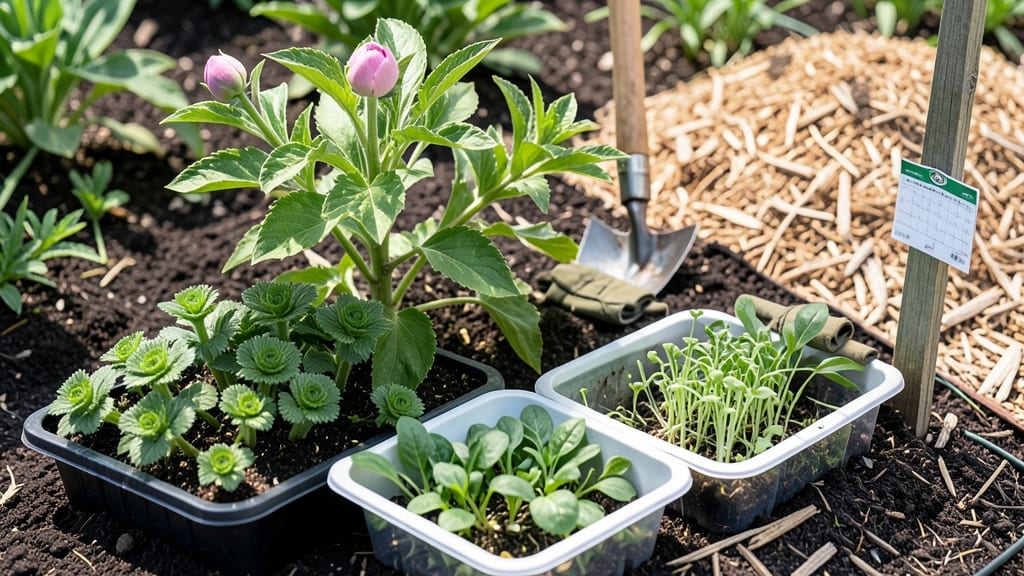
Planting a garden in Minnesota requires knowing exactly when to plant to beat the frost, because one late freeze can turn your hard work into a sad, frozen mess.
Imagine finally getting your 🌱 Garden in the ground, only to have a surprise frost wipe out your seedlings overnight. That’s why timing is everything—especially in a state where spring frost dates can shift by weeks between the Twin Cities and the Iron Range.
This guide breaks down the best planting windows for everything from cold-hardy spinach to heat-loving tomatoes, so you can work with Minnesota’s short growing season instead of against it.
You’ll learn how to adjust for your specific zone, use frost blankets to extend the season, and pick the right varieties that thrive in 50°F soil—no guesswork, just proven strategies for a bountiful harvest.
Minnesota frost dates by plant type: last and first frost timing
Understanding Minnesota frost dates is key to successful gardening in our five distinct climate zones. The last spring frost and first fall frost vary dramatically, from May 15 in the southeast to June 10 in the northwest.
These dates determine when to plant cool-season crops like spinach and when to hold off on warm-season plants like tomatoes.
Minnesota’s short growing season means we must work with, not against, our climate. For example, peppers and eggplants need 120+ frost-free days, so they’re only viable in the southern half of the state.
Meanwhile, hardy greens like kale can survive light frosts and even thrive in early spring plantings.
Here’s a breakdown of average frost dates by Minnesota’s climate zones, along with plant-specific recommendations to help you time your garden perfectly.
| Zone | Last Spring Frost | First Fall Frost | Cool-Season Crops | Warm-Season Crops |
|---|---|---|---|---|
| Northwest | June 10 | September 5 | Spinach, peas, kale | Bush beans, zucchini |
| Northeast | May 25 | September 10 | Lettuce, radishes, broccoli | Tomatoes (short season), peppers |
| Central | May 10 | September 20 | Cabbage, carrots, onions | Peppers, eggplants (late starts) |
| Southeast | May 15 | October 5 | Peas, spinach, Swiss chard | All warm crops (tomatoes, peppers, melons) |
| Southwest | May 5 | October 10 | Lettuce, radishes, broccoli | All warm crops (longest season) |
Best planting schedule for Minnesota gardens: month-by-month guide
Minnesota’s short growing season demands precision—plant too early and frost will strike, too late and you’ll miss the harvest window. My month-by-month schedule aligns with USDA Zones 3-5, adjusting for northern vs. southern Minnesota’s frost variations. Start with cool-season crops in spring and warm-season favorites after last frost.
For northern Minnesota (Zones 3-4), expect last frost dates between May 10-25, while southern Minnesota (Zones 4-5) typically sees frost-free soil by May 1-15. First fall frosts arrive September 15-30 in the north and October 1-15 in the south. Plan accordingly!
March
Start indoor seeds for tomatoes, peppers, and eggplants (6-8 weeks before last frost). Plant onion sets and potatoes outdoors if soil is workable.
April
Direct-sow hardy greens (spinach, kale, lettuce) and peas 2-3 weeks before last frost. Transplant broccoli and cabbage seedlings when soil reaches 40°F.
May
After last frost, plant warm-season crops (beans, cucumbers, squash). Start succession plantings of lettuce and radishes every 2 weeks for continuous harvests.
June
Direct-sow carrots, beets, and turnips. Transplant herbs (basil, dill) and flowers (marigolds, zinnias). Mulch to retain moisture as temperatures rise.
July-August
Sow fall crops (kale, Brussels sprouts, spinach) 6-8 weeks before first frost. Succession-plant bush beans and summer squash for late-season harvests.
September
Plant garlic and hardy onions for next year. Cover late tomatoes and peppers with row covers to extend harvests until first frost.
Adjust timings based on your local frost dates—check the MN State Climatology Office for updates. For northern gardens, delay warm-season plantings by 1-2 weeks, while southern gardens can push harvests into early October with protection.
Pro tip: Use frost-sensitive plants like tomatoes and peppers as canaries in the coal mine. If they struggle, your season may be shorter than expected. Start a journal to track your frost dates yearly for future adjustments!
🌱