
Planting
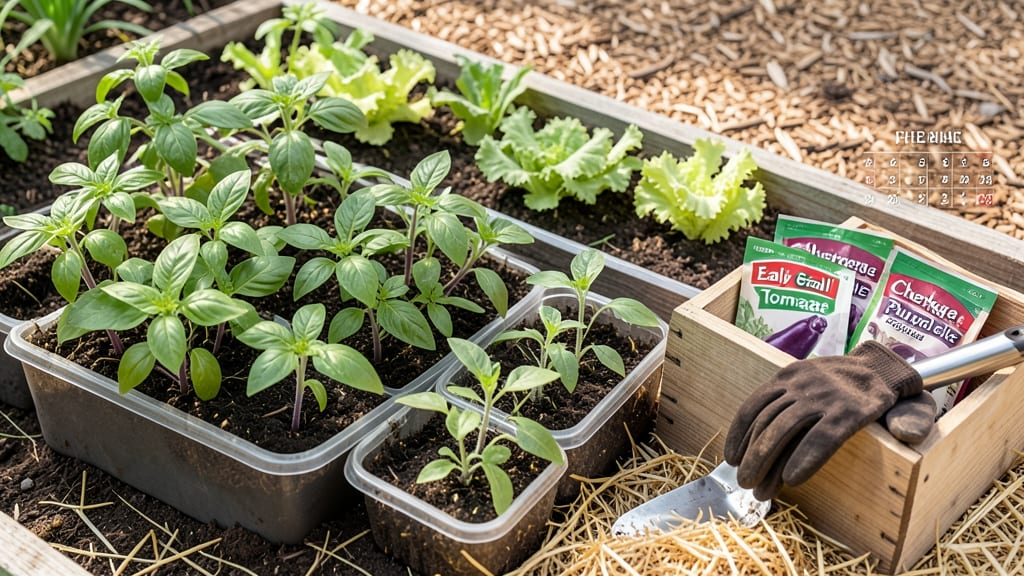
Planting your garden in Tennessee at the right time means the difference between a bountiful harvest and throwing seeds away in frustration.
Tennessee’s diverse climate—from the humid Appalachian foothills to the hotter Delta region—means planting your 🌱 General Garden Plants (Tennessee) at the wrong time can spell disaster for your crops.
Get the timing perfect, and you’ll enjoy bumper harvests; get it wrong, and you might as well toss your seeds into the trash.
Most gardeners in USDA zones 6a-7b know the basics: cool-season crops like lettuce and peas go in early spring, while tomatoes and peppers wait until after the last frost.
But the devil is in the details—like knowing Nashville’s last frost typically hits around April 15, while Memphis sees it weeks earlier.
In this guide, I’ll break down the exact planting windows for every season, zone-specific tips to avoid common mistakes, and how to stretch your growing season with simple tricks.
Whether you’re a first-time gardener or a veteran with a few failed attempts under your belt, you’ll finally get the timing right.
Tennessee frost dates by planting zone: what you Must Know Before Planting
Understanding Tennessee's frost dates is the first step to a thriving garden. The state spans USDA zones 5a to 8a, meaning last frost dates can vary by 3-4 weeks from the mountains to the Delta.
In zone 5a (high elevations like the Smokies), frost lingers until May 15, while zone 8a (Memphis area) typically sees its last frost by March 15. These differences dictate when to plant everything from cool-season lettuce to heat-loving tomatoes.
For cool-season crops like broccoli and spinach, I always plant 4-6 weeks before the average last frost date. In Nashville (zone 7a), that means starting seeds indoors by February 15 for an outdoor move by April 1.
Meanwhile, warm-season plants like peppers and cucumbers need soil temperatures above 60°F, so I wait until 2-3 weeks after the last frost—usually mid-April in Knoxville but early March in Jackson.
Here’s the critical rule: Never plant warm-season crops until soil temperatures consistently stay above 55°F. A soil thermometer is your best friend here—cool soil stunts seedling growth, even if air temperatures seem warm.
I’ve wasted entire seed packets by ignoring this rule in my first few years of gardening!
In zone 5a, where I garden in the Smoky Mountains, I’ve learned to plant cool-season crops early but protect them with row covers if frost threatens. Last year, my broccoli survived a late-April freeze because I covered it with frost cloth.
For warm-season plants, I always wait until after Mother’s Day—this gives the soil time to warm up naturally.
One common mistake I see is planting tomatoes too early in zone 7a. Even if the air feels warm, cool soil can delay germination by 2-3 weeks. I now use black plastic mulch to warm the soil faster in early spring.
For peppers, which are even more sensitive, I start seeds indoors in February and transplant after the last frost, usually by mid-April in Nashville.
Herbs like basil and cilantro have their own rules. Basil hates cold and won’t germinate below 50°F, so I wait until after May 1 in most of Tennessee. Cilantro, on the other hand, bolts in heat, so I plant it in early spring or fall—never in summer.
These quirks show why knowing your zone is non-negotiable.
For flowers, timing matters too. Marigolds and zinnias are tough and can handle late spring frosts, but petunias and
Best month-by-month planting schedule for Tennessee gardens: avoid these 3 critical mistakes
Tennessee’s varied microclimates demand precision when planting—whether you’re in the cooler Appalachian foothills or the warmer Delta region. Cool-season crops like lettuce and peas thrive in early spring, while warm-season favorites such as tomatoes and peppers need to wait until soil warms.
Timing isn’t just about months; it’s about soil temperatures and frost risks that can ruin months of effort.
I’ve planted gardens across Tennessee’s zones for over a decade, and I’ve learned the hard way: planting too early invites frost damage, while waiting too long shortens harvests.
The key is balancing seed packets’ instructions with your local last frost date—usually mid-April in Nashville but as early as March 20 in Memphis. Let’s break down the month-by-month schedule that works for most of the state, plus the three mistakes that derail even the most eager gardeners.
⚠️ 3 Critical Planting Mistakes in Tennessee Gardens
- Ignoring soil temperature: Planting warm-season crops like tomatoes before soil hits 60°F stalls growth. Use a soil thermometer—it’s a game-changer.
- Planting warm-season veggies too early: Seeds like peppers and cucumbers rot in cold soil. Wait until 2-3 weeks after last frost (usually mid-May in most zones).
- Skipping succession planting: One batch of lettuce or beans won’t last all summer. Stagger plantings every 2-3 weeks for continuous harvests.
Pro Tip: Start seedlings indoors 6-8 weeks before your last frost date to extend your growing season.
Let’s start with March, when Tennessee gardeners can finally dig in. This is the time for cool-season crops like spinach, kale, and peas. Direct-sow seeds after the ground thaws (usually by mid-March in southern zones, later in the mountains).
For onions and garlic, plant cloves in March—they’ll naturalize and return year after year.
April is all about prepping for warm-season planting. Test your soil pH (aim for 6.0-7.0) and amend with compost. Transplant seedlings like broccoli and cabbage if you started them indoors, but hold off on tomatoes and peppers until soil warms to 60°F+.
This is also the last chance to plant cool-season crops like carrots and radishes before summer heat sets in.
By May, focus shifts to warm-season powerhouses. Plant tomatoes, peppers, and squash after the last frost date (usually mid-May). Use row covers if nights are still chilly.
For direct-sown seeds, try beans, corn, and cucumbers—they germinate quickly in warm soil. Avoid planting cool-season crops now; they’ll bolt or taste bitter.
June through August is maintenance mode, but don’t skip succession planting. Every 2-3 weeks, sow bush beans, zucchini, or lettuce (yes, lettuce can handle summer heat with shade).
Keep soil moist—drought stress reduces yields. Watch for pests like tomato hornworms and squash bugs; handpick them early to avoid damage.
Fall planting in September and October is your second chance for a harvest. Cool-season crops like kale, Brussels sprouts, and spinach thrive in Tennessee’s mild autumns. Plant 6-8 weeks before first frost (usually mid-October in Nashville).
For warm-season crops, only fast-maturing varieties like bush beans or malabar spinach have time to produce before frost.