
Planting
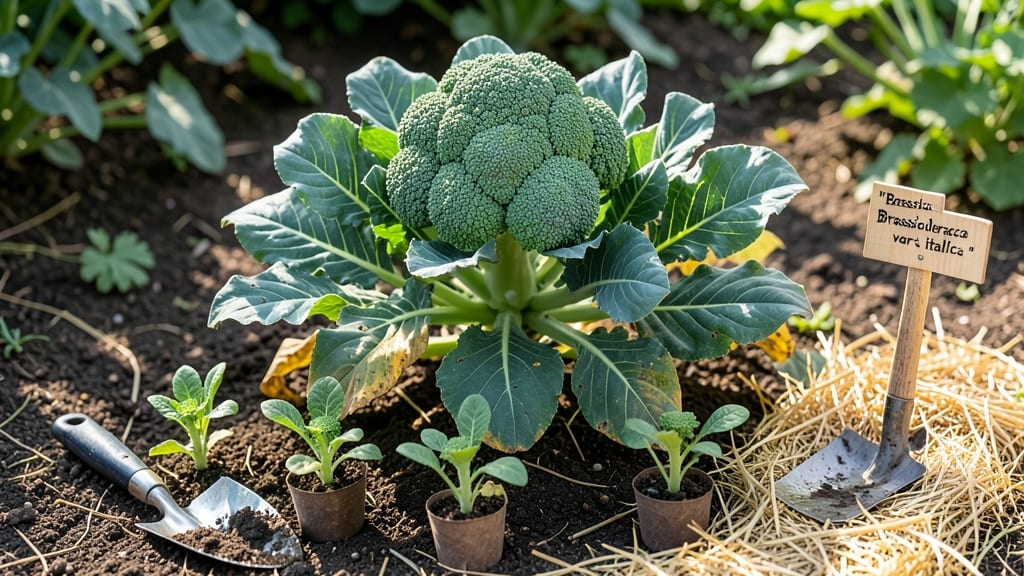
Planting a fall garden in North Carolina means timing your crops perfectly to beat the heat and frost—starting 8 to 12 weeks before your first expected frost is the golden rule.
Picture this: You’ve just harvested your summer tomatoes, and you’re itching to replant. But rush it, and your broccoli bolts before it tastes sweet; wait too long, and a late frost turns your kale into a sad, wilted mess.
The difference between a thriving fall garden and a failed experiment often comes down to those few weeks of precision.
North Carolina’s diverse climate zones—from the mountains to the coast—mean your neighbors might be planting now while you still have time. I’ll break down the exact dates for your zone, plus the must-know tricks to stretch your harvest past Thanksgiving, whether you’re growing leafy greens, root crops, or cold-hardy flowers.
By the end, you’ll know not just when to plant, but how to protect your crops from NC’s unpredictable autumn weather—so you can enjoy homegrown kale in December instead of ordering takeout.
NC fall planting calendar by Zone: exact dates for cool-season crops
North Carolina’s 7 USDA hardiness zones (5a through 8a) create unique microclimates for fall gardening. In Zone 5, your last frost typically arrives by October 15, while Zone 8 gardeners enjoy frost-free conditions until December 1.
This variation means your planting window shifts dramatically—6 weeks earlier in the mountains than the coast. Understanding these dates prevents bolting from heat or frost damage before harvest.
For cool-season crops like broccoli and kale, soil temperatures between 45°F and 75°F are ideal. In Zone 6, this translates to planting between August 15 and September 15, while Zone 7 gardeners have until September 30.
The key is to time transplants so they mature 30-45 days before your first expected frost—not after.
Here’s where timing gets tricky: Planting radishes or spinach too early in Zone 8 (before August 1) risks summer heat stress, while Brussels sprouts need 90+ days to mature—meaning they must go in by September 1 in Zone 5 to avoid frost.
The comparison below breaks down these risks by zone and crop type.
📌 Pro Tip: Use row covers to extend your Zone 5-6 window by 2-3 weeks.
In Zone 5, I recommend starting with fast-growing crops like radishes (25 days) and turnips (30 days) in early August, followed by broccoli and cabbage (60 days) by August 15.
For Zone 8, you can push the envelope with spinach and lettuce until October 1, but use cold frames to protect tender greens from unexpected 28°F nights.
Soil temperature is your best early warning system. Use a soil thermometer to confirm readings above 50°F before planting. In Zone 7, I’ve seen carrot seeds fail to germinate when soil stayed below 55°F for more than 3 days.
Amend beds with compost to retain warmth longer—this can shift your planting window by 7-10 days.
Don’t overlook succession planting for 30-day crops like bush beans or bok choy. In Zone 6, I plant a new row every 10 days from August 15 to September 15 to ensure continuous harvests.
This strategy works especially well for leafy greens, which tolerate light frosts and even sweeten when exposed to 25-30°F temperatures.
Watch for false springs—those warm September days that trick you into planting too early. In Zone 5, a 90°F heatwave in late August can send kale bolting within 10 days.
I always check the NC State Climate Office for 10-day forecasts before committing to transplants. When in doubt, wait 1-2 weeks for cooler conditions.
For
Best fall vegetables for NC gardens: fast-growing vs. slow-growing varieties
North Carolina’s fall garden thrives when you match your crops to their growth speed. Fast-growing varieties like radishes and lettuce give quick rewards, while slow-growing crops like Brussels sprouts and kale reward patience with hardy harvests.
The key is balancing harvest timing with frost tolerance—especially in NC’s variable Zone 7-8 climate.
For fast harvests (3-6 weeks), prioritize radishes ('Cherry Belle'), spinach ('Bloomsdale Long Standing'), and bush beans ('Blue Lake'). These thrive in cooler temps and can be sown as late as mid-October in most NC zones. Their speed lets you squeeze in multiple plantings before frost.
Slow-growing cool-season workhorses like 'Winterbor' kale and 'Sweet 100' tomatoes need 90+ days to mature. Plant these by mid-August in Zone 7 or early September in Zone 8 to avoid early frost. Their frost-hardy leaves and sweetened fruit make them worth the wait.
🌱 NC Fall Vegetable Growth Guide
| Variety | Days to Harvest | Frost Tolerance | NC Planting Window |
|---|---|---|---|
| Radishes ('Cherry Belle') | 21-30 days | High (32°F+) | Aug-Oct |
| Spinach ('Bloomsdale') | 30-45 days | Moderate (28°F+) | Aug-Sep |
| 'Winterbor' Kale | 60-70 days | Very High (20°F+) | Jul-Aug |
| Brussels Sprouts | 90-100 days | High (25°F+) | Jun-Jul |
| 'Sweet 100' Tomatoes | 60-70 days | Moderate (32°F+) | Jul-Aug |
Don’t overlook underutilized NC fall stars like turnips ('Purple Top White Globe') and collard greens. Their dual harvests (roots and greens) maximize space, while 'Red Russian' kale sweeten with frost. For container gardens, try 'Baby Bok Choy'—it matures in just 30 days and handles light frosts beautifully.
Pro tip: Use succession planting for fast growers like lettuce. Sow every 2 weeks until mid-September to ensure continuous harvests. For slow growers, focus on soil fertility—add compost before planting to boost root development during cooler months.
Remember, NC’s first frost dates vary by zone (Zone 7: Nov 15, Zone 8: Nov 30). Time your slowest growers to finish 2 weeks before average frost, while fast growers can handle light frosts if protected with row covers.