
Planting
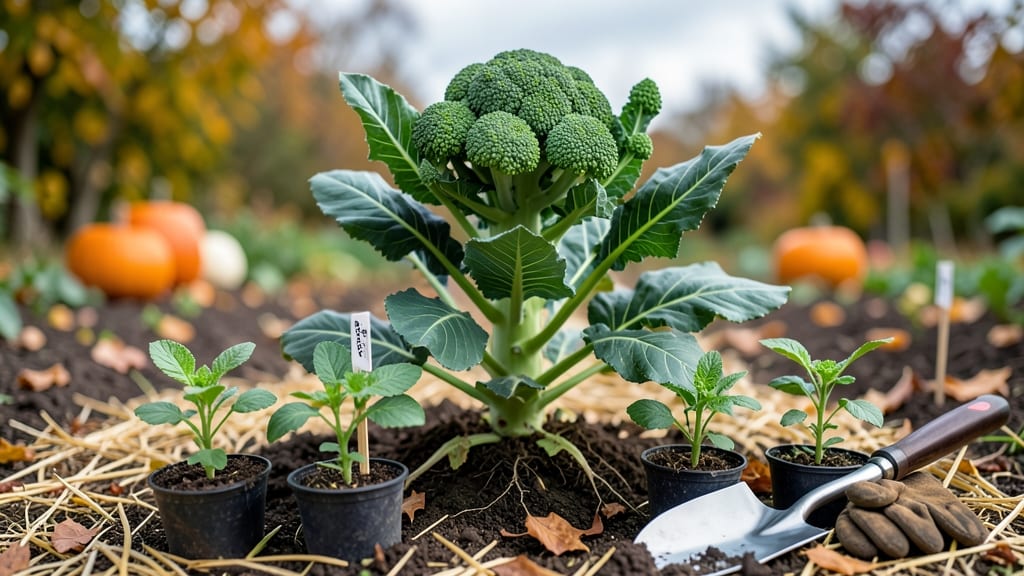
To plant a fall garden in Missouri, start between mid-August and mid-September — a window that balances warm soil and cooling nights for cold-hardy crops 🍂.
Missouri’s mild fall weather creates the perfect window for growing cold-hardy vegetables—but timing is everything. Plant too early, and you’ll risk frost damage; too late, and your harvest will suffer.
This guide covers the exact dates for Zone 6a-6b, from soil prep to transplanting, so you avoid common mistakes and get a harvest before winter sets in.
You’ll also discover the best crops for Missouri’s fall garden, how to extend your season, and a simple checklist to stay on track.
Missouri fall planting timeline: exact dates for Zone 6a-6b success
Missouri’s Zone 6a-6b offers a 60-75 day growing window for fall crops, but precise timing separates a thriving harvest from a frost-killed disappointment. The average first frost arrives between October 15-31, depending on elevation—so plan your schedule around this critical date.
I’ve broken down the exact windows for both direct-sown seeds and transplanted seedlings to maximize your garden’s potential before winter sets in.
Start by testing your soil temperature—ideal conditions for fall planting are between 50°F-75°F. Use a soil thermometer to avoid planting too early when warm summer soil can stress young seedlings.
For Zone 6a (colder microclimates like northern Missouri), aim for late August starts, while Zone 6b (warmer southern areas) can begin in mid-August. This timing ensures crops mature before hard frosts (below 28°F) strike.
📅 Key Dates to Mark:
- Mid-August: Start heat-tolerant crops like kale and swiss chard from seed.
- Late August: Transplant broccoli and cabbage seedlings.
- Early September: Direct-sow radishes and spinach for quick harvests.
- Mid-September: Last chance for carrots and beets to mature before frost.
- October 15: Hard frost cutoff—harvest or protect remaining crops.
| Planting Window | Crops to Start | Soil Temp | Days to Frost | Action |
|---|---|---|---|---|
| Mid-August | Kale, Swiss Chard, Lettuce (direct sow) | 65°F-75°F | 60-75 days | Sow seeds ¼" deep |
| Late August | Broccoli, Cabbage, Brussels Sprouts (transplant) | 55°F-65°F | 45-60 days | Hard off seedlings |
| Early September | Radishes, Spinach, Turnips (direct sow) | 50°F-60°F | 30-45 days | Thin to 2" apart |
| Mid-September | Carrots, Beets, Peas (direct sow) | 45°F-55°F | 25-35 days | Use row covers |
| October 1-15 | Garlic, Onion Sets (plant) | 40°F-50°F | Overwinter | Mulch heavily |
For transplanted crops, harden off seedlings for 7-10 days before moving them outdoors. Place them in partial shade during the day and bring them in at night to acclimate.
I recommend using black plastic mulch to warm the soil and suppress weeds—this gives your plants a 2-3 week head start on growth. Remove mulch once soil temperatures drop below 60°F to prevent overheating.
Direct-sown seeds benefit from succession planting. Sow radishes every 2 weeks from late August through early September for a staggered harvest. These quick growers (25-30 days) act as a frost indicator—if they bolt or turn bitter, it’s time to protect other crops.
Pair them with slow-growing crops like carrots (60-70 days) to maximize space.
Missouri’s fall rains can create soggy soil, which stunts root growth. Amend your beds with compost or aged manure before planting to improve drainage. Aim for well-draining soil with a pH of 6.0-7.0—most fall vegetables thrive in slightly acidic to neutral conditions.
Test your soil in early August to adjust nutrient levels before the planting rush begins.
Protect tender crops like spinach and lettuce with floating row covers once nighttime temperatures drop below 40°F. These lightweight fabrics allow sunlight and water to pass through while shielding plants from light frosts (28°F-32°F).
For hard frosts, use hoop houses or cold frames to extend the season by 3-4 weeks. I’ve successfully grown kale well into
Best cold-hardy vegetables for Missouri fall gardens (ranked by yield and frost tolerance)
Missouri’s fall garden thrives when you choose the right cold-hardy vegetables that can handle Zone 6a-6b temperatures. The key is selecting varieties that mature quickly and tolerate light frosts—some even sweeten when exposed to cooler weather!
My top picks balance high yield with resilience, ensuring you’ll have fresh harvests well into November.
For leafy greens, I recommend spinach and kale—both handle 20°F temperatures and grow quickly. Broccoli and cabbage are also excellent choices, with some varieties surviving 15°F with protection.
Root vegetables like carrots and beets store well in cool soil, while radishes mature in just 30 days, making them perfect for late-season plantings.
Here’s my ranked list of the top 5 cold-hardy vegetables for Missouri’s fall garden, based on frost tolerance, harvest speed, and ease of growth:
1. Spinach – Thrives in cool weather and can be harvested 30-40 days after planting. It tolerates 15-20°F and even tastes sweeter after light frost. Sow seeds 4-6 weeks before your first frost date for continuous harvests.
2. Kale – One of the most frost-resistant vegetables, kale improves in flavor after 20°F exposure. Plant 6-8 weeks before frost for a head start, and harvest outer leaves to encourage regrowth. Varieties like Winterbor are ideal for Missouri.
3. Broccoli – A high-yielding brassica that handles 25°F with minimal protection. For best results, start seeds 6-8 weeks before frost or transplant seedlings in late August. Harvest heads before they flower for the best texture.
4. Carrots – Cold-hardy and slow to bolt, carrots can be planted up to 8 weeks before frost. They tolerate 20°F and grow sweeter in cooler soil. Choose shorter varieties like Paris Market for easier harvesting in dense soil.
Don’t overlook radishes and turnips—they mature in 30 days and handle light frosts beautifully. For a guaranteed harvest, pair these with slow-growing crops like cabbage or brussels sprouts, which take 80-100 days but reward you with hearty yields.