
Planting
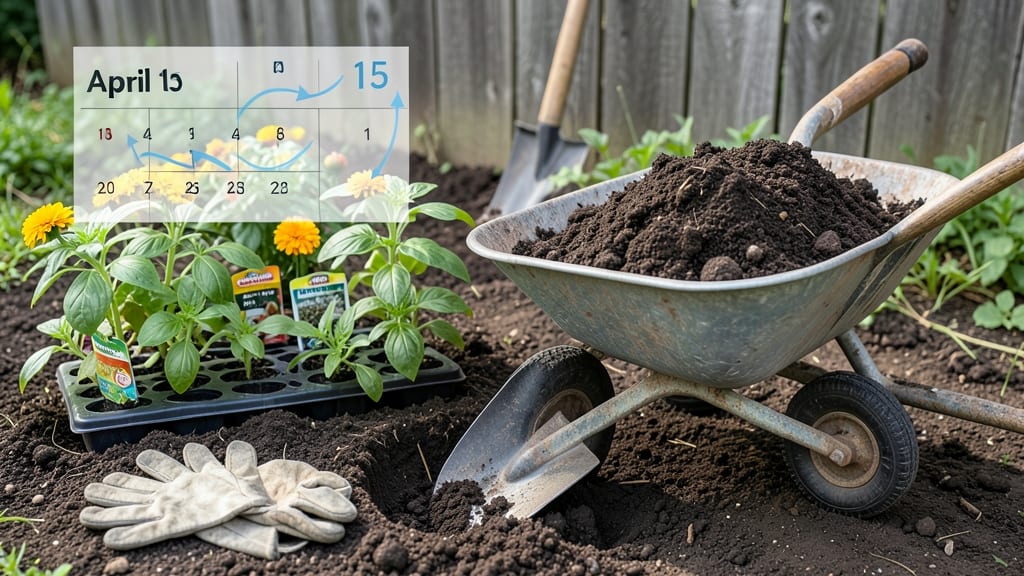
Planting a garden in Missouri at the right time means the difference between a thriving harvest and a sad, wilted mess.
Missouri’s diverse climate—from humid summers to chilly winters—means planting at the wrong time can leave your garden struggling. But timing your seeds and transplants precisely by Missouri’s USDA zones (5b to 7a) guarantees healthier plants, higher yields, and fewer pests.
If you’ve ever watched your seedlings shiver under a late frost or bolt into flower too fast, you know how critical the calendar is.
The key is knowing when the soil warms, when frost dates shift between St. Louis and Kansas City, and how urban heat islands can push planting windows earlier than rural areas.
In this guide, I’ll break down the exact months to plant vegetables, flowers, and perennials in your zone, plus how to adjust for microclimates and soil conditions. No more guesswork—just a garden that grows like it’s supposed to.
Missouri planting calendar by zone: exact months for vegetables, flowers, and herbs
Missouri’s USDA zones 5b through 7a create distinct planting windows—especially between northern Missouri (5b) and southern Missouri (7a). Urban areas like St. Louis (6b) often experience 2–4°F warmer microclimates than rural zones, delaying frost.
Use this calendar to align your vegetables, flowers, and herbs with local frost dates and soil temperatures.
For cool-season crops like spinach, peas, and kale, start seeds indoors 4–6 weeks before last frost (typically mid-March to early April in zone 5b, late February to March in zone 7a). Warm-season staples such as tomatoes, peppers, and basil need soil at 60°F+—plant after mid-April in 5b and early April in 7a.
Perennial flowers like coneflowers and black-eyed Susans thrive when planted in early spring (March–April) or fall (September–October), giving roots time to establish before extreme temperatures. Annuals like marigolds can handle direct sowing after frost risk passes (late April–May).
Adjust timelines for urban vs. rural areas: City gardens (e.g., Kansas City, St. Louis) often see 1–2 weeks earlier planting due to heat island effect. Use a soil thermometer to confirm 60°F+ for warm-season crops—critical for tomatoes and peppers.
For herbs like basil and cilantro, sow seeds 2–3 weeks after last frost (early May in 5b, late April in 7a). Cilantro bolts in heat, so use shade cloth in summer. Basil thrives with consistent moisture and morning sun.
Extend seasons with row covers for cool crops or black plastic mulch to warm soil 2–3 weeks earlier for warm-season plants. In zone 5b, protect late tomatoes with frost cloth until mid-October.
Missouri’s short growing season (150–180 days) demands succession planting: Sow lettuce every 2 weeks from April to August for continuous harvests. Peas and radishes mature in 30–45 days, making them ideal for early spring.
Perennials like lavender and Russian sage need well-draining soil and full sun. Plant in fall (September–October) for root establishment before winter. Daylilies tolerate zone 5b’s cold but bloom best in zone 6b+.
Check University of Missouri Extension’s frost maps annually—urban areas may shift frost dates by 10–14 days. For container gardening, warm-season crops can start 3–4 weeks earlier in pots.
🌱
How to adjust planting times for Missouri’s microclimates and soil conditions
Missouri’s diverse microclimates can shift your ideal planting window by 2–4 weeks, depending on where you live. Urban areas like St. Louis often experience heat islands that delay frost, while rural zones in the Ozarks may face earlier freezes.
Even within the same USDA zone (5b–7a), elevation changes and soil drainage can drastically alter when you should plant.
For example, a south-facing slope in zone 6b might warm up enough for tomatoes 2 weeks earlier than a north-facing garden bed. Meanwhile, clay-heavy soils in northern Missouri retain cold longer, requiring you to wait until soil temperatures hit 60°F before planting warm-season crops like peppers and cucumbers.
Understanding these variations lets you extend your growing season with tools like row covers and cold frames. A simple soil thermometer ($10 at garden centers) can save you from planting too early—cool soil slows germination and stresses seedlings.
⚠️ WARNING: Planting at the Wrong Time
St. Louis (zone 6a) may see last frost dates 7–10 days later than Columbia (also zone 6a) due to the city’s heat retention. Rural areas often have earlier frosts—plan accordingly!
Soil drainage is critical: Sandy soils warm faster but dry out quicker, while clay soils stay cold longer. Amend with compost to improve warmth retention.
Actionable Tip: Test soil moisture weekly—dry soil heats up faster than moist soil, which can trick you into planting too soon.
To maximize your harvest, use succession planting—sow fast-growing crops like lettuce or radishes every 2 weeks after your first planting. This ensures a continuous supply even if your season is short. For example, plant bush beans in early May, then again in late June for a fall harvest.
Cold frames and low tunnels can push your fall planting by 4–6 weeks. In zone 5b, I’ve successfully grown spinach and kale until early December by covering them with floating row covers. Just remember to ventilate on warm days to prevent overheating.
Don’t overlook wind exposure—garden beds near open fields may experience earlier frosts than sheltered spots. If your garden is in a windy area, consider planting windbreaks like sunflowers or tall grasses to protect tender seedlings.
By accounting for these localized factors, you’ll avoid common mistakes like bolting lettuce from heat stress or frost-damaged tomatoes. A little extra planning turns Missouri’s challenging climate into an advantage for year-round gardening success! 🌱