
Planting
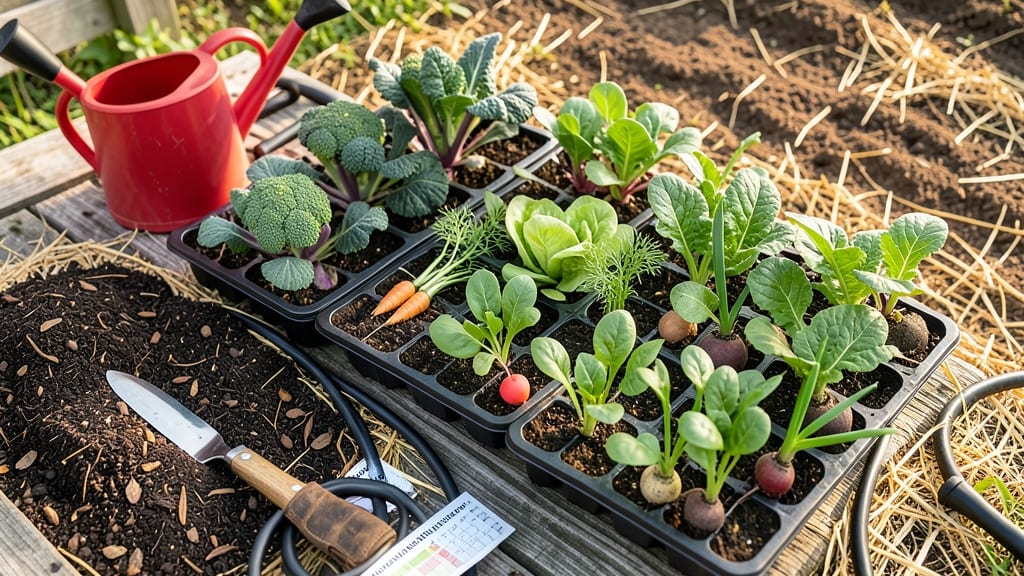
To plant a fall garden in Central Texas, start mid-August for heat-tolerant crops like okra and sweet potatoes — timing is everything to avoid stunted growth before the first frost.
Central Texas gardeners know the summer heat can be brutal, but with the right schedule, you can still grow a thriving 🥬 garden. Missing the window by even a week might mean smaller yields or plants struggling to mature before winter.
The key is understanding your region’s unique climate and frost dates.
In zones 8a-8b, the last average frost hits around mid-December, giving you a 6-week window to plant crops that thrive in cooler weather. But heat-tolerant varieties need an earlier start—think late summer—so they can establish roots before temperatures drop.
Below, I’ll break down the exact planting timeline, soil prep tips, and the top 5 crops that perform best in Central Texas’ fall conditions. No more guessing—just proven strategies for a bountiful harvest.
Central Texas fall planting timeline: exact dates for heat-tolerant crops
Central Texas gardeners face a unique challenge: the lingering summer heat often makes traditional fall planting seem impossible. But with precise timing and heat-tolerant varieties, you can still enjoy a productive garden.
The key is understanding your last frost date (around December 15) and soil temperature thresholds (60°F+ for germination) while working with the 90-day growing window before winter sets in.
Unlike northern regions, Central Texas (USDA Zones 8a-8b) allows for extended growing seasons with crops that thrive in 85-95°F temperatures.
This timeline focuses on heat-loving crops like okra, sweet potatoes, and malabar spinach, which can be planted as late as mid-October while still producing harvests before the first frost. Let’s break down the exact planting schedule month by month.
August is your prime window for heat-loving crops like okra and sweet potatoes. These plants need warm soil (70-85°F) to germinate quickly, so avoid planting until late August when daytime highs start dropping below 95°F.
Direct-sow seeds ½ inch deep in well-draining soil, spacing them 12-18 inches apart to allow airflow and reduce disease risk.
By September 15, shift focus to transition crops like malabar spinach and cowpeas, which tolerate 80-85°F but prefer cooler evenings. These plants thrive in partial shade as temperatures dip, making them ideal for late-summer gardens.
Use drip irrigation to maintain consistent moisture without wetting foliage, which can invite fungal diseases like powdery mildew.
October is your last chance for a fall harvest, but only if you choose fast-maturing varieties (50-60 days to maturity). Collard greens and mustard greens are excellent choices—they handle light frosts (28°F) and even taste sweeter after exposure.
Plant seeds ¼ inch deep in raised beds for better drainage, and apply a 2-inch layer of straw mulch to protect roots from temperature swings.
Don’t overlook garlic and onions for November planting—they need 60-70 days of cool weather to bulb properly. Break garlic cloves into individual bulbs and plant them 2 inches deep, pointed end up.
Space rows 12 inches apart to prevent competition. These crops are low-maintenance but benefit from weekly compost top-dressing to boost soil fertility before winter.
Pro tip: Use a soil thermometer to monitor temperatures—most heat-tolerant crops won’t germinate until soil reaches 60°F. If your garden soil runs cooler, try black plastic mulch to absorb heat and speed up germination. For containers, use
Top 5 heat-tolerant fall crops for Central Texas and how to maximize their yield
Central Texas summers are long and hot, but that doesn’t mean your fall garden has to suffer. The key is choosing heat-tolerant crops that thrive in late-season warmth while still producing bountiful yields.
These five crops—okra, sweet potatoes, black-eyed peas, collard greens, and jute mallow—are perfect for extending your harvest well into autumn. Each has unique care needs to keep them thriving as temperatures dip.
To maximize yields, focus on soil moisture retention, shade protection, and consistent watering. Central Texas’ USDA Zone 8a-8b climate means you can push these crops later than most gardeners, but timing is critical.
Planting too late risks stunted growth or frost damage, while early planting gives them time to establish strong roots before the heat fades.
🌱 Top 5 Heat-Tolerant Fall Crops & Pro Tips
- 1. Okra: Plant late July to early August for a fall harvest. Use drip irrigation to keep soil consistently moist—okra hates drought stress. Harvest pods when 3-4 inches long for tender texture.
- 2. Sweet Potatoes: Start slips mid-August to early September in well-draining soil. Mulch heavily with straw or black plastic to retain heat and moisture. Harvest before first frost (typically mid-December).
- 3. Black-Eyed Peas: Sow seeds late August to September. These thrive in warm soil (70°F+), so avoid planting until nighttime temps drop below 85°F. Stake plants to support heavy pods.
- 4. Collard Greens: Transplant late August to early October. They tolerate light frosts but need 6+ hours of sun. Fertilize with compost tea every 3 weeks for lush growth. Harvest outer leaves first.
- 5. Jute Mallow: A heat-loving green perfect for late plantings (September to October). Thrives in poor soil and drought. Harvest young leaves for a spinach-like texture.
For all these crops, mulching is non-negotiable. Apply a 3-inch layer of straw or wood chips around plants to lock in moisture and regulate soil temperature. This is especially critical in Central Texas, where soil can dry out quickly even in fall.
Pair mulch with drip irrigation set to deliver 1-1.5 inches of water weekly, focusing on the root zone to prevent evaporation.
If late-season heat spikes are forecasted, use 30-50% shade cloth to protect tender crops like collard greens and jute mallow. Secure the cloth 3 feet above plants to allow airflow and prevent mold.
This simple trick can extend the growing season by 2-3 weeks without sacrificing yield quality. Monitor plants daily for signs of stress, like yellowing leaves or wilting, and adjust shade as needed.
Don’t overlook soil preparation—amend beds with aged compost or worm castings before planting to improve drainage and nutrient availability. These heat-tolerant crops are resilient but perform best in loamy, well-aerated soil with a pH of 6.0-6.8.
Test your soil in early fall and adjust with lime (to raise pH) or sulfur (to lower it) if needed. A little prep now means bigger, healthier plants later.
With these strategies, you’ll harvest okra pods until October, sweet potatoes well into November, and collard greens that sweeten after frost. The secret? Plant early, mulch heavily, and stay consistent with water. Your fall garden will thrive—even in Central Texas’ challenging climate! 🌿