
Planting
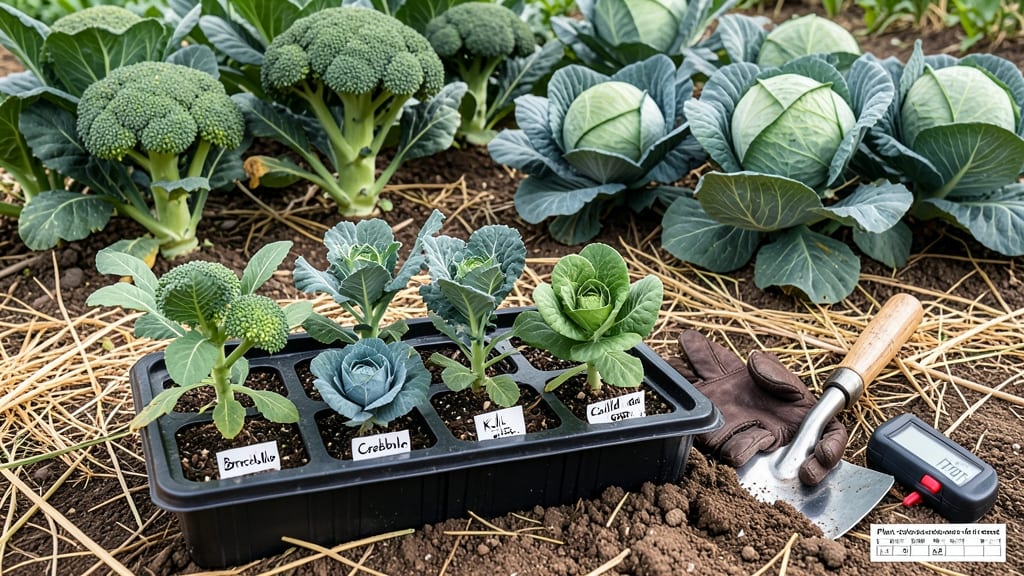
Planting your fall garden in Mississippi between mid-August and early October ensures a bountiful harvest before frost 🍂 — but miss that window, and you’ll either scorch your crops or watch them freeze.
Mississippi’s warm climate lets gardeners enjoy a second harvest—but timing is everything. Plant too early, and heat will ruin your crops; too late, and frost cuts the season short. Here’s your exact planting schedule by zone to maximize your fall garden’s yield.
Most Mississippi gardeners in zones 8a-9a should start with heat-tolerant crops like okra and sweet potatoes in late July, then transition to cool-season vegetables like kale and broccoli in early September. The key is planting 6-8 weeks before your first frost, which typically hits around mid-November.
Below, I’ll break down the best planting dates for your zone, the top crops to grow, and how to stretch your harvest well into winter—without losing everything to a surprise cold snap.
Mississippi fall planting dates by USDA Zone: exact timing for peak harvests
Mississippi’s USDA zones 7a-8b offer gardeners a unique opportunity to grow two bountiful harvests per year—spring and fall. The key to success lies in understanding your specific zone’s frost dates and matching crops to the season’s shifting temperatures.
In Zone 7a, expect your first frost around November 15, while Zone 8b typically holds off until December 1. Planting at the right time ensures your crops mature before winter sets in.
Fall planting in Mississippi isn’t just about avoiding frost—it’s also about escaping the summer’s brutal heat. Heat-tolerant crops like okra and sweet potatoes thrive when planted in late summer (July-August), while cool-season favorites such as broccoli and kale need to go in the ground 6-8 weeks before your first frost.
The transition between these two groups requires careful timing to avoid stunted growth or premature bolting.
Soil temperature plays a critical role in fall planting success. Most cool-season crops prefer soil temps between 45°F and 75°F. In Mississippi, this window typically opens in mid-August for Zone 8b and early September for Zone 7a.
Use a soil thermometer to verify—cool soil speeds up germination and prevents seed rot in humid conditions.
Let’s break down the exact planting windows by zone and crop type to help you plan your fall garden with precision.
| Zone & Crop Type | Planting Window | Soil Temp Threshold | Key Notes |
|---|---|---|---|
| Zone 7a - Heat Lovers | July 15 - August 15 | 70°F - 85°F | Okra, sweet potatoes, southern peas |
| Zone 7a - Cool Season | September 1 - October 1 | 50°F - 70°F | Broccoli, kale, spinach, carrots |
| Zone 8a - Heat Lovers | July 1 - August 31 | 75°F - 90°F | Tomatoes, peppers, cucumbers, eggplant |
| Zone 8a - Cool Season | August 15 - September 15 | 55°F - 75°F | Cabbage, lettuce, radishes, turnips |
| Zone 8b - Heat Lovers | June 15 - September 1 | 80°F - 95°F | Sweet corn, black-eyed peas, malabar spinach |
| Zone 8b - Cool Season | August 1 - October 15 | 60°F - 80°F | Collards, mustard greens, beets, Swiss chard |
*Planting windows adjust 1-2 weeks earlier for high-elevation areas or later for low-lying regions near rivers.
For Zone 7a gardeners, the window for planting cool-season crops closes quickly. If you miss the September 1-October 1 window, your broccoli or kale may bolt before producing edible heads. To extend your season, consider using row covers or cold frames to protect tender greens from early frosts.
These tools can push your harvest window back by 2-4 weeks, giving you fresh greens well into December.
In Zone 8b, you have more flexibility due to later frost dates. This zone allows for a second planting of heat-loving crops like sweet potatoes in early August, followed by cool-season crops in late August.
The key is monitoring soil temperatures—once they drop below 60°F, switch to planting frost-hardy crops like collards or mustard greens, which thrive in cooler conditions.
Don’t overlook the importance of succession planting in your fall garden. For example, plant radishes in early September for a quick harvest, then follow with carrots or beets that take longer to mature.
This strategy keeps your garden productive and maximizes space. In Mississippi’s climate, succession planting can add 30-50% more yield to your fall garden.
One common mistake Mississippi gardeners make is planting frost-sensitive crops too late. If you wait until mid-October to sow lettuce or spinach, they’ll likely bolt before producing usable leaves. Instead, aim to plant these 4-6 weeks before your average first frost date.
For Zone 7a, that means getting seeds in the ground by early September, while Zone 8b gardeners have until mid-October.
To ensure your fall garden thrives, prepare your soil in late summer by adding compost or aged man
Top 5 fall crops for Mississippi’s climate—and how to extend their season
Mississippi’s extended growing season makes fall gardening a game-changer—if you pick the right crops. The key is selecting heat-tolerant varieties that thrive in 70-80°F soil while preparing for cooler nights. My top 5 picks deliver high yields and can be stretched into December with the right tricks.
These crops balance quick harvests (radishes in 30 days) with long-term storage (carrots for months). I’ll show you how to mulch, use row covers, and time plantings to beat Mississippi’s first frost—typically November 15 in Zone 8a and December 1 in Zone 9a.
- 1. Collards – Plant August 1–September 15 for harvests through December. Use black plastic mulch to warm soil and extend season by 3+ weeks. Variety: 'Vates' (heat-tolerant).
- 2. Turnips – Sow September 1–October 15 for roots ready by November. Cover with floating row covers when temps drop below 50°F to prevent bolting. Variety: 'Purple Top White Globe'.
- 3. Green Beans – Direct-seed August 15–September 30 for harvests until first frost. Use straw mulch to insulate roots and trellis varieties (like 'Contender') to save space.
- 4. Radishes – Fastest crop! Plant September 1–October 10 for harvests in 4–6 weeks. Succession plant every 2 weeks until October 20. Variety: 'Cherry Belle' (cold-hardy).
- 5. Carrots – Sow September 15–October 1 for storage roots. Loosen soil with compost to prevent forking. Cover with straw mulch 2 weeks before frost to protect tops while roots stay edible.
For all these crops, soil prep is critical. Test your soil’s pH—aim for 6.0–6.8—and amend with composted manure or aged leaf mold to improve drainage. Mississippi’s clay-heavy soils can compact, so mix in sand or perlite for root crops like carrots.
My secret weapon for extending harvests? Row covers. Lightweight fabric (like Agribon) adds 2–4°F protection and blocks wind. Install them at dusk when temps drop below 55°F and remove by 10 AM for airflow.
Pair this with straw mulch (4–6 inches deep) to insulate soil and keep roots warm.
Don’t forget to harvest strategically. For leafy greens like collards, pick outer leaves first to encourage regrowth. With root crops, harvest when shoulders emerge above soil—this ensures sweetness.
And if a light frost hits? Most of these crops (except radishes) will bounce back with 1–2 weeks of warmth.