
Planting
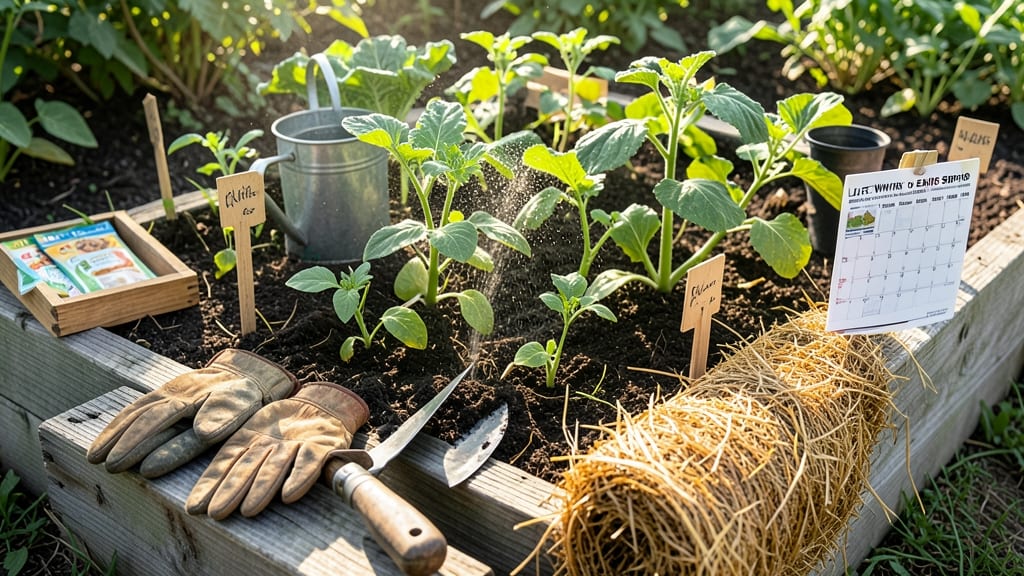
Planting a vegetable garden in Mississippi at the right time means the difference between a lush harvest and wasted seeds, especially with its unpredictable frost dates and sweltering summers.
Mississippi’s long growing season and unique microclimates make it a gardener’s paradise—but planting too early or late can mean the difference between a bountiful harvest and wasted seeds. Timing is everything, especially when frost dates shift unpredictably across the state.
Cool-season crops like collards and peas thrive in the mild winters of the Delta, while tomatoes and okra demand the heat of summer. Even within the state, a two-week difference in frost dates can change what you plant and when.
Below, I break down the best planting windows by region, soil prep tips, and how to stretch your growing season with row covers and heat-tolerant varieties—so you can enjoy fresh produce from spring to fall.
Mississippi’s frost dates by region: critical planting windows for vegetables
Mississippi’s frost dates vary dramatically from the Delta’s USDA Zone 7b to the Gulf Coast’s Zone 8b, creating a 10-14 day window difference in planting schedules.
In the northern regions like Tupelo, gardeners face a last spring frost around March 15, while southern areas like Biloxi enjoy frost-free conditions by February 15. This regional shift directly impacts when you can safely plant warm-season crops like tomatoes and peppers.
Understanding these frost dates is critical because cool-season vegetables thrive when planted 4-6 weeks before the last frost, while warm-season crops need soil temperatures above 60°F to germinate. For example, collard greens can handle light frosts, but okra will bolt if planted too early.
Let’s break down the key frost dates and their impact on your planting calendar.
⚠️ NON-NEGOTIABLE: Always check the Mississippi State University Extension Service for your specific county’s frost data, as microclimates can shift planting windows by 1-2 weeks. For instance, Jackson’s last frost typically falls on March 20, while Hattiesburg’s is around March 5—a 15-day difference that matters for early tomatoes.
| Region | Last Spring Frost | First Fall Frost | Warm-Season Planting Window | Cool-Season Planting Window |
|---|---|---|---|---|
| Northern MS (Tupelo, Oxford) | March 15 | November 15 | April 15 - May 1 | February 1 - March 15 |
| Central MS (Jackson, Starkville) | March 20 | November 1 | April 1 - April 15 | February 15 - March 20 |
| Southern MS (Biloxi, Gulfport) | February 15 | December 15 | March 1 - March 15 | January 1 - February 15 |
| Delta (Greenville, Clarksdale) | March 10 | November 5 | April 1 - April 10 | February 10 - March 10 |
For cool-season crops like lettuce, spinach, and broccoli, the key is planting 4-6 weeks before the last frost. In northern Mississippi, this means starting seeds indoors by February 1 for a March 15 transplant.
In the south, you can direct-sow collards and kale as early as January 15, thanks to milder winters. These crops thrive in 50-65°F soil and can even tolerate light frosts.
Warm-season crops like tomatoes, peppers, and okra demand soil temperatures above 60°F to germinate. In northern Mississippi, wait until April 15 to plant seeds or May 1 for transplants.
Southern gardeners can start two weeks earlier, around March 15, but always monitor soil temps with a soil thermometer—cold soil will stunt growth or prevent germination entirely.
Mississippi’s fall planting window is equally critical. In the north, sow cool-season crops by August 15 for a harvest before the November 15 frost.
In the south, you can extend this until September 15, thanks to later frosts. Radishes and turnips are excellent choices for fall, as they mature quickly in cool but frost-free conditions.
Pro tip: Use row covers or cold frames to push your spring planting window 2-3 weeks earlier in cooler regions.
For example, in Tupelo, covering tomato seedlings with a floating row cover can protect them from late frosts, allowing you to plant as early as April 1 instead of waiting for May 1.
Mississippi’s heat tolerance also plays a role. Varieties like ‘Celebrity’ tomatoes and ‘Arkansas Traveler’ peppers thrive in the state’s 90°F+ summers, but early-maturing varieties (like ‘Early Girl’ tomatoes) are better for northern regions with shorter growing seasons. Always choose heat-tolerant or early-maturing varieties to maximize your harvest.
Finally, keep a gardening journal to track your local frost dates and adjust planting schedules yearly. Over time, you’ll notice patterns—like earlier last frosts in some years or later first frosts due to climate shifts. This local data is invaluable for fine-tuning your planting calendar and avoiding common mistakes
Best vegetables to plant in Mississippi’s spring vs. fall seasons
Mississippi’s spring and fall seasons offer perfect windows for growing vegetables, but timing is critical. Cool-season crops thrive in spring’s mild temperatures, while warm-season varieties need summer’s heat.
Fall planting lets you enjoy harvests before the first frost, typically around mid-November in North Mississippi and late November in the South.
For spring planting, focus on fast-growing greens like lettuce and radishes, which tolerate cooler soil. Tomatoes and peppers, however, need warmer soil—wait until after the last frost (usually mid-March to early April) and when soil reaches 60°F.
Fall crops like broccoli and carrots should go in the ground 8-10 weeks before frost.
- 1 Spring Planting (March-April): Start with cool-season crops like lettuce, spinach, and radishes. Soil should be at least 50°F for seeds to germinate.
- 2 Warm-Season Starts (April-May): Plant tomatoes, peppers, and okra after soil warms to 60°F+. Use row covers for early starts if nights are still chilly.
- 3 Fall Planting (August-September): Sow broccoli, carrots, and kale 8-10 weeks before frost. Soil temps should stay above 45°F for germination.
- 4 Soil Prep Tip: Amend soil with compost before planting. Mississippi’s clay-heavy soils benefit from organic matter for better drainage.
In spring, prioritize fast-maturing varieties like bush beans and turnips, which handle cooler temps better than vining crops. Succession planting every 2 weeks ensures a steady harvest. For fall, choose heat-tolerant greens like collards or Swiss chard to extend your growing season.
Mississippi’s humid summers demand extra care for warm-season crops. Mulch heavily to retain moisture and prevent soil-borne diseases. Drip irrigation is ideal—it keeps foliage dry, reducing fungal risks like early blight on tomatoes.
Don’t overlook regional varieties adapted to Mississippi’s climate. ‘Cherokee Purple’ tomatoes and ‘Blue Lake’ green beans thrive here. For fall, ‘Winterbor’ kale withstands light frosts, adding sweetness after a frost.
Plan ahead by checking Mississippi State Extension’s frost maps. Adjust planting dates based on your microclimate—coastal areas stay warmer longer than inland regions. With the right timing, you’ll enjoy homegrown veggies year-round!