
Planting
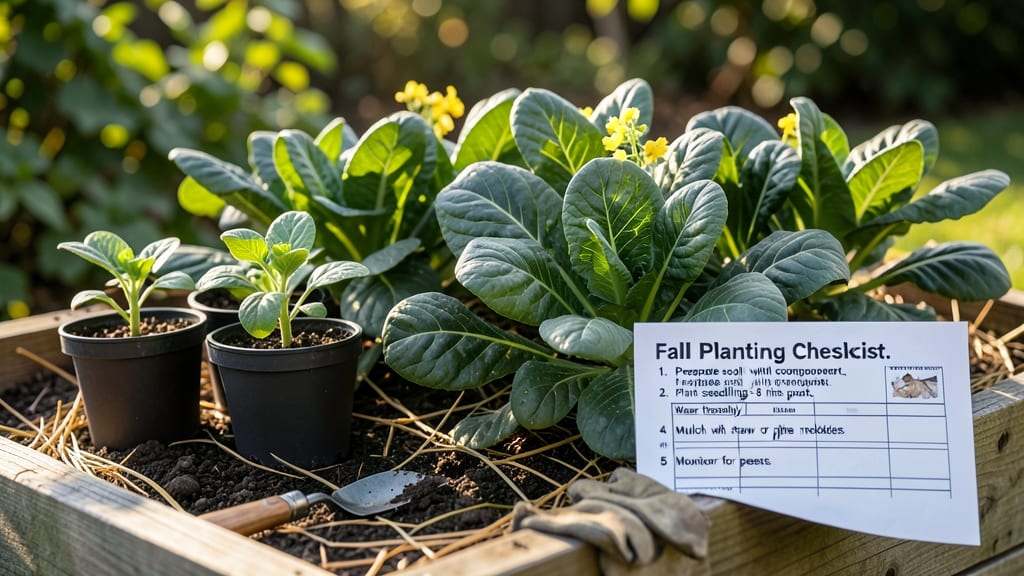
Planting a fall garden in Louisiana means beating the heat while setting up for a bountiful harvest before frost hits 🥬—and the window to get it right is narrower than you think.
Louisiana’s long, hot summers can make fall gardening a game-changer—but timing is everything. Plant too early, and your crops will bolt in the heat; too late, and frost will ruin your harvest. Here’s the exact schedule for heat-tolerant vegetables that thrive in the Bayou State’s unique climate.
With USDA Zones 8a-9b and 220-270 frost-free days, Louisiana gardeners have a second chance at a productive season if they act fast. The key is starting 6-8 weeks before your first frost—usually by early October—but some crops like okra and sweet potatoes can handle the heat even earlier.
Below, I break down the best planting dates for your region, the top heat-tolerant crops to prioritize, and how to adjust for Louisiana’s microclimates—whether you’re in New Orleans or Shreveport. Ready to turn your fall garden into a success?
Louisiana’s fall planting calendar: exact dates by vegetable type
Fall gardening in Louisiana is all about balancing heat tolerance with frost preparedness. The key is planting heat-loving crops early (August) and cool-season vegetables closer to October. With first frost typically hitting around November 15, timing is critical to avoid wasted effort or ruined harvests.
Louisiana’s USDA Zones 7b-9a offer unique challenges—coastal areas stay warmer longer, while northern regions cool faster. I’ll break down exact planting windows for your top fall crops, including okra, sweet potatoes, collards, and turnips, plus tips to adjust for your specific microclimate.
For okra and sweet potatoes, the August window is non-negotiable. These heat-loving crops need warm soil to germinate, so don’t wait until September—you’ll lose weeks of growth. I recommend soaking okra seeds overnight to speed up germination in Louisiana’s heavy clay soils.
By mid-September, shift to cool-season crops like collards and turnips. These thrive in 50-70°F soil and can handle light frost once established. Pro tip: Use black plastic mulch to warm soil for early plantings of collards in August.
If you’re in northern Louisiana (Zone 7b), aim to plant turnips and kale by September 1 to avoid early frost. Coastal gardeners in Zone 9a have until October 15 for most crops, but watch for hurricane season delays—protect young plants with row covers if storms threaten.
One common mistake I see is planting leafy greens too early. Lettuce and spinach bolt in 85°F+ heat, so save them for October plantings. Instead, focus on heat-tolerant greens like malabar spinach or swiss chard for early harvests.
To extend your fall harvest window, use row covers or cold frames for crops like broccoli and cabbage. These can push back first frost damage by 2-3 weeks, giving you extra time to enjoy homegrown veggies. Just remove covers during the day to prevent overheating.
Don’t forget to test your soil pH before planting. Louisiana’s acidic soils (pH 5.5-6.5)
How to adjust planting for Louisiana’s microclimates (coastal vs. north Louisiana)
Louisiana’s climate isn’t one-size-fits-all—coastal areas like New Orleans stay warm longer, while northern regions like Shreveport face earlier frosts. These differences mean your fall planting dates should shift by 2-4 weeks depending on where you garden.
The humidity near the coast traps heat, while northern Louisiana’s drier air cools faster after summer. Understanding these microclimates helps you avoid heat stress in early crops or frost damage in late-season plants.
Soil conditions also vary dramatically: coastal gardens often have sandy, fast-draining soil, while northern Louisiana tends to have clay-heavy, moisture-retentive soil. This affects watering needs and root development. For example, okra thrives in coastal heat but struggles in Shreveport’s shorter season.
Meanwhile, collard greens can handle northern Louisiana’s cooler fall temps better than coastal areas’ lingering humidity. Adjusting your planting schedule based on these factors is key to a successful harvest.
| Factor | Coastal Louisiana (New Orleans/Baton Rouge) | North Louisiana (Shreveport/Natchitoches) | Adjustment Tip |
|---|---|---|---|
| Average First Frost | Mid-November | Early November | Plant heat-loving crops (okra, sweet potatoes) 2 weeks earlier in north LA. |
| Soil Type | Sandy, drains fast | Clay-heavy, retains moisture | Amend coastal soil with compost; northern soil may need gypsum. |
| Humidity Levels | High (70-80%) | Moderate (50-65%) | Coastal? Space plants for airflow; north? Use row covers for frost protection. |
| Ideal Planting Window | August 15 - September 30 | August 1 - September 15 | Start fast-maturing crops (radishes, turnips) 1 week earlier in north LA. |
| Watering Needs | Less frequent (high humidity) | More frequent (drier air) | Coastal? Water deeply every 5-7 days; north? Water every 3-4 days in fall. |
For coastal gardeners, focus on heat-tolerant crops like sweet potatoes and Malabar spinach—these can handle the extended heat into October. Start seeds indoors by mid-August for a head start.
In contrast, northern Louisiana’s shorter season demands quick-maturing varieties like bush beans or turnips, planted by late July for an early October harvest. Use row covers in late September to extend the season by 2-3 weeks in both regions.
Soil temperature is another critical factor: coastal areas stay warmer longer, while northern Louisiana cools faster. Test your soil temperature—it should be above 60°F (15°C) for most fall crops. If your soil cools too quickly (common in north LA), mulch heavily with straw or black plastic to retain heat. This simple trick can add 2-4 weeks to your growing season in cooler microclimates.
Don’t overlook local nurseries for region-specific advice. For example, Baton Rouge’s LSU AgCenter offers free soil tests, while Shreveport’s Red River Research Station provides frost-date forecasts. These resources help fine-tune your planting schedule based on real-time data.
Whether you’re in New Orleans’ steamy heat or Shreveport’s crisp fall air, adjusting for microclimates ensures your fall garden thrives—no matter where you are in the Bayou State.