
Planting
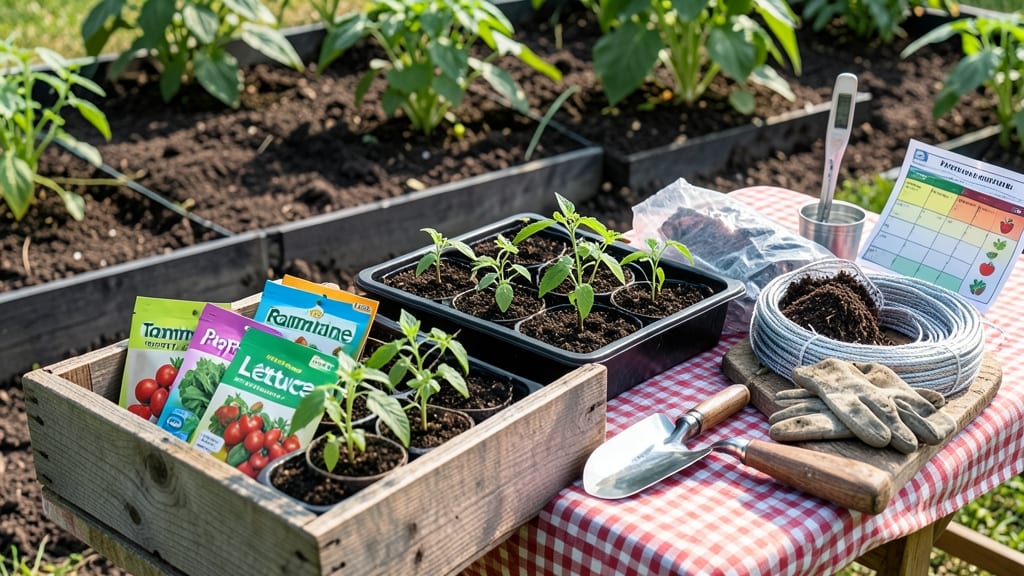
Planting a vegetable garden in Pennsylvania at the right time means the difference between a lush harvest and a sad, frost-nipped disappointment.
Pennsylvania’s diverse climate—from the chilly mountains to the humid valleys—means your vegetable garden’s success hinges on planting at the perfect time. Get the wrong timing, and you risk frost damage or stunted growth.
But with the right frost-free dates by zone, you can maximize yields and enjoy a bountiful harvest all season long.
Whether you’re in Zone 5, where spring arrives later, or Zone 7, where summers stretch long, knowing when to start seeds indoors or set transplants outdoors is the key.
Too early, and a late frost will wipe out your 🌱 seedlings; too late, and your tomatoes won’t ripen before fall.
In this guide, I’ll break down the exact planting windows for every USDA zone in PA, plus pro tips for extending your season—so you can grow more, waste less, and enjoy fresh veggies straight from your garden.
Pennsylvania’s frost-free dates by USDA Hardiness Zone: exact planting windows for peak harvests
Pennsylvania spans USDA Hardiness Zones 3a through 7a, with frost-free dates varying dramatically between regions. In Zone 3a (northwest PA), the last spring frost typically arrives around May 15-20, while Zone 7a (southeast PA) sees frost-free conditions by April 1-15.
These differences mean your planting schedule should shift based on your exact location to avoid frost damage or wasted effort on late-season crops.
For cool-season crops like lettuce, spinach, and peas, you can start seeds 4-6 weeks before your last frost date. Meanwhile, warm-season crops such as tomatoes, peppers, and cucumbers need soil temperatures above 50°F (10°C) and should only be planted after your last frost.
Understanding these timelines ensures your garden thrives year after year.
Microclimates also play a role—urban areas like Philadelphia (Zone 7a) warm up faster than rural Erie (Zone 5b). Cities experience the urban heat island effect, which can push frost-free dates 1-2 weeks earlier than surrounding areas.
Always check local weather records or use a frost calendar for your specific town.
Here’s a zone-by-zone breakdown of frost-free dates, ideal planting windows, and key crops to prioritize in each area: