
Planting
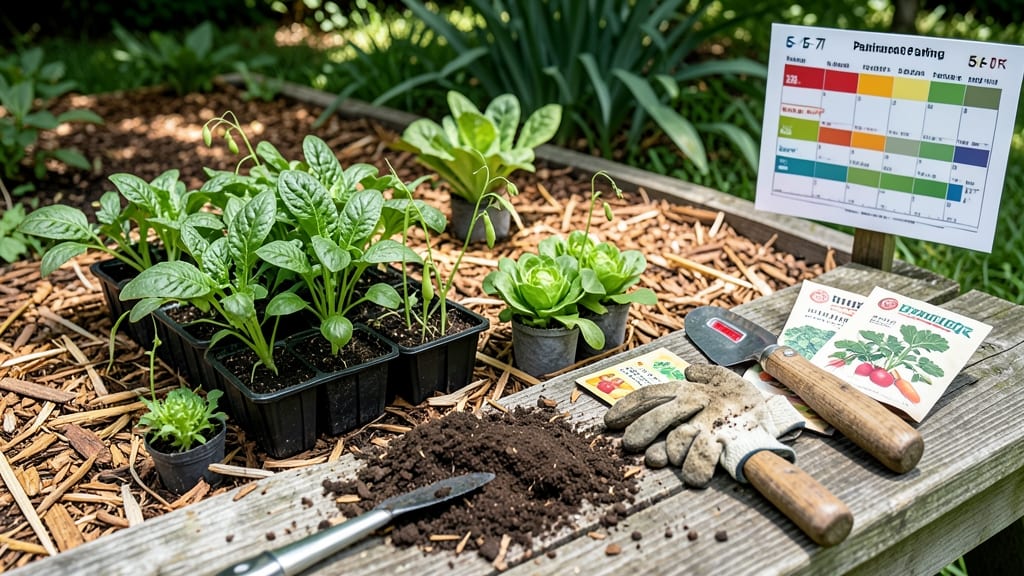
Planting a garden in Pennsylvania at the right time means the difference between a thriving harvest and wasted seeds — and your best window starts 4-6 weeks before your last frost date, depending on what you’re growing.
Pennsylvania’s diverse climate—from the cool mountains to the humid valleys—means your garden’s success hinges on planting at the perfect time. Get it wrong, and your seeds could rot or freeze; time it right, and you’ll harvest like a pro.
Most gardeners in USDA Zones 5-7 (which cover nearly all of PA) can start cool-season crops like spinach and peas as early as late March, while warm-season favorites like tomatoes and peppers wait until after Mother’s Day to avoid frost damage.
Below, I break down the exact planting timeline by region—including Pittsburgh’s cooler pockets and Philadelphia’s earlier springs—plus soil prep tips to give your 🌱 garden the best possible start.
Pennsylvania planting zones: frost dates by region (2024 guide)
Pennsylvania spans USDA Hardiness Zones 4a through 6b, meaning frost dates vary dramatically from the cool Poconos mountains to the warmer Philadelphia suburbs.
Knowing your exact last frost date is critical—plant too early, and a surprise freeze will kill tender seedlings; wait too long, and you miss peak harvest windows. Let’s break down the 2024 frost dates by region so you can time your plantings like a pro.
Most Pennsylvania gardeners rely on average last frost dates, but microclimates—like urban heat islands in Pittsburgh or sheltered valleys in the Lancaster County—can shift these dates by 1-3 weeks.
For precise timing, use the National Weather Service’s frost prediction tools or local Cooperative Extension Service reports. I’ll share the historical averages below, but always check for 2024 adjustments in early spring.
Pro Tip: If you’re in Zone 5b or 6a, you’ll have 14-21 more frost-free days than gardeners in the Poconos (Zone 4a-5a). Use this extra time to succession plant warm-season crops like tomatoes or peppers for a longer harvest.
If you’re in Zone 6b (Philadelphia area), you can push the envelope with early spring plantings like radishes or
Best planting calendar for Pennsylvania vegetables, flowers & herbs (by month)
Pennsylvania gardeners have a short but sweet growing season, so timing is everything. Cool-season crops like spinach and kale thrive in early spring, while warm-season favorites such as tomatoes and peppers need to hit the ground after the last frost.
Even perennials like lavender have ideal planting windows to establish strong roots before winter.
To maximize your harvest, I’ve broken down the best planting times by month, including succession planting tips to keep fresh produce coming all season.
Whether you’re in Philadelphia’s Zone 7b or the Poconos’ Zone 5a, these guidelines will help you avoid common pitfalls like frost damage or bolting greens.
Pro Tip: Use row covers or cold frames to extend your season for early or late plantings. This is especially useful for cool-season crops in May or warm-season plants in September.
For succession planting, focus on fast-growing crops like lettuce, radishes, and bush beans. Sow new seeds every 2-3 weeks in May and June to ensure a steady supply. For example, plant radishes every 10 days for a continuous harvest—nothing beats fresh radishes straight from your garden!
Don’t forget herbs like basil and dill, which thrive in Pennsylvania’s summer heat. Plant them in well-draining soil and keep them consistently moist to avoid bolting. Lavender, a drought-tolerant perennial, should