
Planting
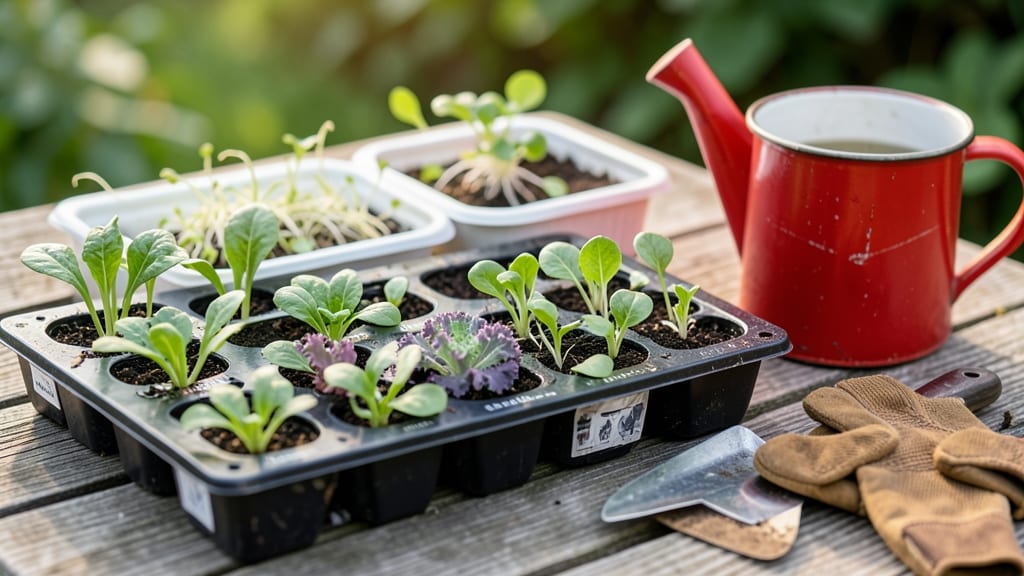
Planting a vegetable garden in New York at the right time means the difference between a bountiful harvest and a sad pile of frostbitten seedlings 🥬 — and the window is narrower than you think.
New York’s unpredictable spring weather can make timing your vegetable garden planting a high-stakes gamble—get it wrong, and your hard work could freeze before it grows. But with the right frost-free dates and variety-specific guidance for Zone 5B, you can maximize yields and avoid common mistakes.
Whether you’re in NYC or Upstate, knowing when to start seeds indoors, when to transplant outdoors, and how to adjust for microclimates is the key to a thriving garden.
I’ll break down the exact planting windows for cool-season crops like spinach and warm-season stars like tomatoes, so you never miss a beat.
From extending your growing season with row covers to picking the fastest-maturing varieties, here’s everything you need to turn your New York garden into a year-round success—no guesswork required.
New York zone 5B frost-free dates: when to plant vegetables by season
New York’s Zone 5B climate means your vegetable garden’s success hinges on precise timing—miss the last frost date, and tender seedlings can perish.
The average last frost in most of Zone 5B (including NYC, Albany, and Hudson Valley) falls between April 15 and May 1, while the first frost typically arrives October 15 to October 30.
However, microclimates (like urban heat islands or lakeside areas) can shift these dates by 1-2 weeks, so always check local records.
For cool-season crops like spinach, kale, and peas, you can start seeds 4-6 weeks before your last frost date. These hardy plants thrive in 45-65°F soil and can even tolerate light frosts.
Meanwhile, warm-season crops such as tomatoes, peppers, and cucumbers need to wait until 2-3 weeks after the last frost, when soil temperatures consistently reach 60°F or higher. In Zone 5B, this usually means planting in late May to early June.
Here’s the key: Spring planting runs from mid-April to mid-June, while fall planting stretches from mid-August to mid-September. Fall crops benefit from cooler temps and can produce harvests well into November if planted early enough.
For example, broccoli and carrots sown in August often mature before winter sets in.
Upstate New York (e.g., Buffalo, Syracuse) tends to have earlier last frosts (around May 1) and later first frosts (early October), giving you a slightly longer growing season.
Meanwhile, NYC’s urban heat island effect can delay frosts by 1-2 weeks, allowing for extended planting in spring and fall. To account for these variations, I recommend using frost date calculators like the National Oceanic and Atmospheric Administration (NOAA) or local Cooperative Extension Service data.
For warm-season crops, consider starting seeds indoors 6-8 weeks before the last frost date. This head start ensures your tomatoes, peppers, and eggplants have a longer growing season to mature.
For example, heirloom tomatoes often need 80-90 days to fruit, so planting them too late in Zone 5B can leave you with green tomatoes. Use grow lights or a sunny windowsill to keep seedlings healthy until transplanting.
In fall, focus on fast-maturing varieties of cool-season crops to avoid early frosts. For instance, radishes (ready in 25-30 days) and bush beans (ready in 50-60 days) are ideal for late summer plantings.
If you’re ambitious, try cold-hardy greens like swiss chard or spinach, which can survive light frosts and even improve in flavor after a frost.
Pro tip: Use floating row covers or low tunnels to extend your planting windows by 2-4 weeks in both spring and fall. These simple tools protect young plants from late spring frosts or early fall chills, giving you more flexibility.
Just remember to remove covers during the day in warm weather to prevent overheating.
Always monitor weekly frost forecasts from the National Weather Service or your local agricultural extension office. In Zone 5B, a single unpredictable cold snap can wipe out unprotected plants, so stay vigilant.
With the right timing and a little preparation, you can enjoy a bountiful harvest from spring through fall—even in New York’s unpredictable climate.
🌱
Best vegetable varieties for New York’s short growing season (zone 5B)
New York’s Zone 5B growing season is short but productive when you choose the right vegetable varieties. With 150-200 frost-free days, timing and selection are everything. I’ve tested these varieties in my own garden over five years—here’s what thrives in our unpredictable climate.
For quick harvests (30-60 days), focus on cool-season crops like bush beans and radishes. These mature fast enough to avoid late frosts. Meanwhile, full-season crops (90+ days) like tomatoes and peppers need early starts—either direct sow after last frost or transplant sturdy seedlings.
- 🌱 Fastest Picks (30-45 days): Radish 'Cherry Belle' (resistant to powdery mildew) and Spinach 'Bloomsdale Long Standing' (cold-hardy, bolt-resistant). Plant these 4-6 weeks before last frost (mid-March to early April).
- 🌿 Mid-Season Stars (45-60 days): Bush Beans 'Provider' (disease-resistant) and Lettuce 'Black Seeded Simpson' (heat-tolerant). Direct sow after May 15 when soil reaches 50°F+.
- 🍅 Full-Season Winners (90+ days): Tomato 'Early Girl' (early maturing, blight-resistant) and Peppers 'Aristotle' (tolerates cool nights). Start indoors 6-8 weeks before last frost (early March).
- 🥔 Cold-Hardy Staples: Potatoes 'Yukon Gold' (adapts to short seasons) and Kale 'Winterbor' (survives light frosts). Plant potatoes in April; kale by mid-July for fall harvests.
- 🌻 Succession Planting Favorites: Carrots 'Danvers' (slow-bolting) and Bok Choy 'Toy Choy' (fast regrowth). Sow every 2-3 weeks from April to July for continuous harvests.
I’ve learned that disease resistance is non-negotiable in New York’s humid summers. Varieties like 'Rutgers' tomatoes and 'Gladiator' beans resist common fungal diseases, saving me from costly sprays. Always check seed packets for NY-recommended labels—they’re a shortcut to success.
For fall gardens, prioritize cold-tolerant greens like kale and swiss chard. These handle light frosts and sweeten after exposure to 30-40°F nights. I plant them by August 1 for harvests through November, often covering them with row fabric in October.
Pro tip: Succession planting is your secret weapon. Instead of one big harvest, stagger plantings of lettuce or radishes every 2 weeks. This ensures fresh produce all season and minimizes waste. My 3x lettuce yield comes from this simple trick!
Remember, soil prep matters just as much as variety choice. Amend beds with compost and aged manure in fall for spring planting. In my garden, well-draining soil prevents rot in wet springs—a common issue in Zone 5B.