
Planting
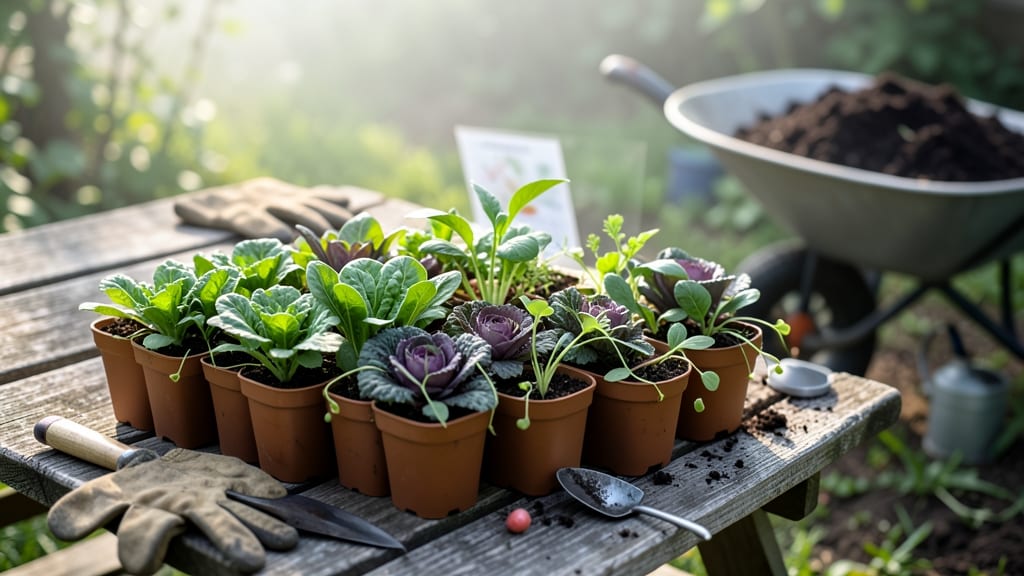
Planting a vegetable garden in New Brunswick means timing your crops perfectly to beat the frost—whether you're in the cooler Fundy region or the slightly warmer Saint John area.
New Brunswick’s unpredictable frost dates can turn a gardener’s excitement into frustration—unless you know the exact timing for planting each vegetable type in your specific zone. One week too early, and a late frost wipes out your seedlings. One week too late, and your tomatoes never set fruit.
With Zone 5b frost-free days averaging just 160 days, every week counts. Cool-season crops like peas and spinach can go in as early as mid-April, while warm-season favorites like tomatoes and peppers need to wait until soil temperatures hit 50°F—usually late May to early June.
This guide breaks down the best planting windows by crop and zone, plus pro tips for extending your harvest with row covers and succession planting—so you can enjoy fresh 🥬 from June to October without the guesswork.
New Brunswick’s frost-free timeline: planting dates by Zone and hardiness
New Brunswick’s gardening season hinges on precise timing—one late frost can devastate your warm-season crops, while planting too early risks stunted growth. The province spans USDA Zones 4b and 5a, with microclimates that shift planting windows by weeks.
Whether you're in the maritime chill of Fundy or the slightly milder Saint John area, knowing your last spring frost and first fall frost dates is non-negotiable for success.
Coastal regions like Fundy often see their last spring frost around May 15–20, while inland areas like Fredericton may wait until May 10.
Meanwhile, the first fall frost arrives earliest in Zone 4b (late September) and slightly later in Zone 5a. These variations mean your cool-season crops like spinach can thrive in March-April, while tomatoes need to wait until after Memorial Day weekend in most areas.
Here’s the critical data you need to plan your garden—broken down by zone, frost dates, and heat requirements for your warm-season favorites:
Your warm-season crops like tomatoes and peppers demand careful attention to heat unit accumulation. In Zone 4b, you’ll need 2,500–2,800 heat units to mature a tomato, while Zone 5a can handle up to 3,200 units.
This means starting seeds indoors in March for Zone 5a or late March for Zone 4b is essential for a productive harvest.
For cool-season crops, Zone 5a gardeners can start sowing as early as late March, while Zone 4b should wait until April 1. Leafy greens like spinach and kale thrive in these early windows, but always use row covers if nighttime temperatures dip below 32°F.
These protective barriers can extend your harvest by 3–4 weeks, giving you fresh greens well into June.
Microclimates play a huge role in New Brunswick’s gardening success. Coastal areas like Fundy often enjoy 1–2 weeks earlier last frosts due to maritime influence, while inland valleys (e.g., Fredericton) may experience delayed spring warming.
Urban areas like Saint John create "heat islands" that can push warm-season planting back by 5–7 days, so always check local frost records before committing to your planting schedule.
Don’t forget about succession planting—this is your secret weapon for maximizing yields in New Brunswick’s short season. For crops like bush beans or lettuce, sow new seeds every 10–14 days from May through July.
This ensures a continuous harvest and prevents bolting from heat stress. Pair this with fall planting of hardy crops like kale and Brussels sprouts in August for harvests before the first frost.
To fine-tune your timing, bookmark Agriculture New Brunswick’s frost forecasts and invest in a soil thermometer—these tools will save you from costly mistakes. Remember, even a 5°F difference in soil temperature can mean the difference between thriving tomatoes and stunted seedlings.
With this zone-specific timeline, you’re now equipped to turn New Brunswick’s unpredictable climate into your gardening advantage.
Best vegetables to plant in New Brunswick by season: a Zone-specific guide
New Brunswick’s short growing season demands strategic planning to maximize your harvest. Whether you're in the coastal Zone 4b or the slightly warmer Zone 5a, selecting the right vegetables for each season—and knowing when to plant them—can mean the difference between a bountiful garden and a disappointing one.
The key is balancing cold-tolerant crops with heat-loving varieties while using season-extending techniques like row covers and cold frames.
For early spring, focus on cool-season vegetables that thrive in chilly temperatures, while summer calls for warm-season crops that need consistent heat. Even in fall, hardy greens like kale and Brussels sprouts can flourish with proper timing.
Let’s break down the best vegetables to plant by season, tailored to New Brunswick’s unique climate challenges.
🌱 Seasonal Planting Highlights for New Brunswick
-
Early Spring (March–April)
Vegetables: Peas, spinach, lettuce ('Winter Density'), kale, radishes
Tip: Direct-sow peas as soon as soil is workable (Zone 4b: mid-April; Zone 5a: early April). Use row covers to protect lettuce from late frosts. 🌱 -
Late Spring (May–June)
Vegetables: Carrots, beets, broccoli, cabbage, potatoes (after last frost)
Tip: Plant broccoli 4–6 weeks before last frost (Zone 4b: April 15; Zone 5a: April 1). Potatoes thrive in cool soil—aim for planting when soil reaches 45°F. 🌿 -
Summer (June–July)
Vegetables: Tomatoes ('Early Girl'), peppers, cucumbers, zucchini, green beans
Tip: Start tomatoes indoors 6–8 weeks before last frost (Zone 4b: March 15; Zone 5a: March 1). Use black plastic mulch to warm soil faster in Zone 4b. ☀️ -
Fall (August–September)
Vegetables: Kale, Swiss chard, turnips, Brussels sprouts, garlic (plant in October)
Tip: Sow Brussels sprouts by August 1 for harvest before first frost. Garlic planted in October yields sweeter bulbs the following summer. 🌷
⚠️ Warning: Avoid planting warm-season crops too early—soil temperatures below 50°F can stunt growth. Always test with a soil thermometer before direct-sowing tomatoes or peppers.
One of the biggest mistakes I see in New Brunswick gardens is planting tomatoes or peppers too early, only to watch them wilt when temperatures dip. These heat-loving crops need soil temperatures above 50°F to thrive, so wait until late May or early June—after the last frost—before planting them outdoors.
For Zone 4b areas like Fundy, consider using black plastic mulch to warm the soil faster and give your plants a head start.
Conversely, cool-season crops like spinach and peas can handle frost and even benefit from it. In fact, some varieties, like 'Winter Density' lettuce, are bred to withstand light frosts and can be planted as early as March in Zone 5a.
To extend their harvest, use row covers to protect them from unexpected late frosts in April or May. This simple trick can add 2–4 extra weeks to your growing season for these greens.
For succession planting, focus on crops with short maturity times, like radishes (30 days) or bush beans (50–60 days). By sowing new seeds every 2 weeks from early spring to mid-summer, you’ll ensure a continuous harvest.
This is especially useful in New Brunswick, where the growing season is short. For example, planting bush beans every 14 days from May to July guarantees fresh beans from July through September.
Don’t overlook fall planting, which can be just as productive as spring. Crops like kale and Brussels sprouts actually sweeten after a light frost, making them perfect for autumn harvests. Plant Brussels sprouts by early August for a harvest in October, just before the first frost.
And if you’re feeling ambitious, garlic planted in October will reward you with plump bulbs the following summer.
With these seasonal guidelines, you’ll transform New Brunswick’s short growing season into a productive garden oasis. Start with the right crops for each season, use season-extending tools like row covers, and don’t forget to succession plant for continuous harvests. Happy gardening! 🌿