
Planting
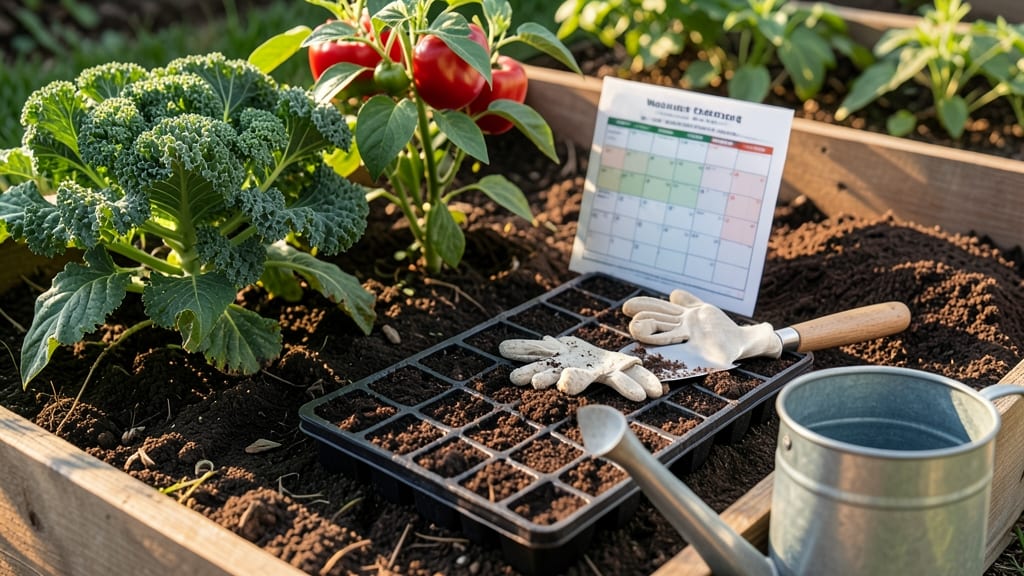
Planting a garden in Washington, DC, means timing it right to beat the last frost—usually around mid-April, but it can shift by weeks depending on your microclimate.
Washington, DC’s unpredictable spring weather can turn your gardening dreams into a gamble—but knowing the exact last frost dates for each plant type means you can start planting with confidence and avoid costly mistakes.
Whether you’re sowing cool-season crops like spinach or waiting for warm-season favorites like tomatoes, the key is aligning your planting schedule with DC’s USDA Zone 7b-8a and local frost trends.
Below, I’ll break down the ideal planting windows for spring and fall, plus pro tips to extend your season and protect tender seedlings from late frosts.
Washington DC last frost dates by season: when to plant cool vs warm-season crops
Washington DC’s last frost dates typically range from March 15 to April 15, while the first frost arrives between October 15 and November 15. These dates create a 165-day growing season, perfect for both cool-season crops like spinach and warm-season crops like tomatoes.
However, urban areas like Downtown DC often experience earlier frosts than suburban neighborhoods, so adjust your planting schedule accordingly.
For cool-season vegetables, such as lettuce, kale, and peas, you can start planting as early as mid-March under row covers or in cold frames.
These hardy crops thrive in cooler temperatures (40–75°F) and can even tolerate light frosts. Warm-season crops, including tomatoes, peppers, and cucumbers, must wait until after the last frost—typically mid-April to early May—to ensure healthy growth.
Microclimates matter in DC. Urban areas with concrete and asphalt (like Capitol Hill) warm up faster in spring but cool down quicker in fall. Suburban areas with more green space (like Arlington, VA) tend to have longer frost-free periods. Always check your local microclimate by monitoring nearby weather stations or using USDA Plant Hardiness Zone maps.
Here’s a quick reference for DC’s planting timeline, including cool-season starters and warm-season essentials, tailored to your garden’s location:
| Plant Type | Planting Window | Sun Needs | Notes |
|---|---|---|---|
| Cool-Season Crops (Spinach, Lettuce, Peas) | Mid-March to early May Late July to mid-September |
Partial Sun to Full Sun | Tolerates light frosts. Start seeds indoors 4-6 weeks before last frost. |
| Warm-Season Crops (Tomatoes, Peppers, Cucumbers) | After last frost (mid-April to early May) | Full Sun (6+ hours) | Wait until soil temps reach 60°F+. Use row covers for early starts. |
| Herbs (Basil, Cilantro, Parsley) | Basil: After last frost Cilantro: Early spring/fall |
Partial to Full Sun | Basil bolts in heat—plant in late spring/early fall. |
| Flowers (Marigolds, Zinnias, Sunflowers) | After last frost (April–May) | Full Sun to Partial Shade | Direct-sow seeds for best germination. Deadhead for longer blooms. |
| Perennials (Hostas, Lavender, Daylilies) | Early spring (March–April) or fall (September) | Partial to Full Sun | Plant bare-root in spring or potted in fall for establishment. |
If you’re growing cool-season crops like spinach or lettuce, you can even get a fall harvest by planting seeds in late July to early August. These crops prefer cooler fall temperatures (50–65°F) and will thrive until the first frost.
For warm-season crops, consider using black plastic mulch to warm the soil faster in spring or cloches to extend the season in fall.
Urban gardeners should also account for heat islands—areas that stay warmer due to buildings and pavement. If you’re in a hot microclimate, opt for shade-tolerant varieties like Swiss chard or arugula for cool seasons. Conversely, suburban gardens with more shade may need sun-loving crops like tomatoes or peppers placed in the sunniest spots.
To track your local frost dates, use NOAA’s frost calendar or set up a soil thermometer to monitor temperatures. Once you’ve planted, mulch heavily in late summer to insulate roots from early fall frosts.
With these adjustments, you’ll maximize your DC growing season and enjoy fresh produce from spring to fall.
Remember: Patience is key in DC’s variable climate. Rushing to plant warm-season crops too early can lead to frost damage, while waiting too long may result in bolting lettuce. Stick to the last frost date guidelines, and your garden will thrive—no gamble needed!
How to extend your Washington DC gardening season using frost protection methods
Washington DC’s short growing season (USDA Zone 7b-8a) means frost can strike anytime between March 15 and November 15. But with the right frost protection methods, you can safely plant 4-6 weeks earlier in spring and extend harvests into late fall.
Whether you’re growing tomatoes too early or kale too late, these techniques will save your plants—and your patience.
I’ve tested these methods in my own DC garden, and they’ve helped me push my first planting to early March and my last harvest to mid-November.
The key is choosing the right tool for your specific needs: row covers for lightweight protection, cold frames for heavy-duty warmth, or black plastic mulch to warm soil faster. Let’s break down the best options for your garden.
Frost Protection Methods: Pros & Cons
| Method | Best For | Pros | Cons |
|---|---|---|---|
| Row Covers (Frost Blankets) | Early spring seedlings, late fall harvests | Lightweight, easy to install, allows sunlight and water | Limited temperature protection (10-15°F above ambient) |
| Cold Frames | Year-round greens, cold-hardy veggies | Extends season by 4-6 weeks, reusable, protects from pests | Expensive, requires space, can overheat in summer |
| Heat Mats | Indoor seed starting, early transplanting | Speeds up germination, affordable, easy to use | Only works for small areas, not outdoor protection |
| Black Plastic Mulch | Warming soil for early planting | Raises soil temp by 5-10°F, suppresses weeds, retains moisture | Can’t be used with all plants (e.g., strawberries), requires removal |
| Cloches (Glass Jars) | Late fall protection for tender plants | Inexpensive, reusable, protects individual plants | Can trap too much heat, limited coverage |
Tip: Combine methods for maximum protection—like using black plastic mulch + row covers for early spring planting.
For early spring starts, I swear by heat mats under seed trays indoors. They raise soil temperatures by 10-15°F, helping tomato and pepper seeds germinate weeks before the last frost.
Pair this with black plastic mulch in garden beds to warm the soil faster—this combo lets me plant cold-sensitive crops like eggplants by mid-April, instead of waiting until May.
In late summer, I rely on row covers and cold frames to protect fall crops like kale and carrots from early frosts. A row cover adds 5-8°F of protection, while a cold frame can keep greens growing until December.
For individual plants, cloches (like upside-down milk jugs) work wonders—just remove them during the day to prevent overheating.
Pro tip: Always monitor weather forecasts and remove covers on warm days to prevent heat stress. I use stakes and clips to secure row covers so they don’t blow away in DC’s unpredictable winds.
And if a hard frost is forecasted, I’ll add extra insulation like straw or burlap around the base of plants.
With these methods, you can double your growing season in Washington DC—no more rushing to harvest before the first frost! Start small with one or two techniques, then expand as you gain confidence. Your future self (and your dinner table) will thank you.