
Planting
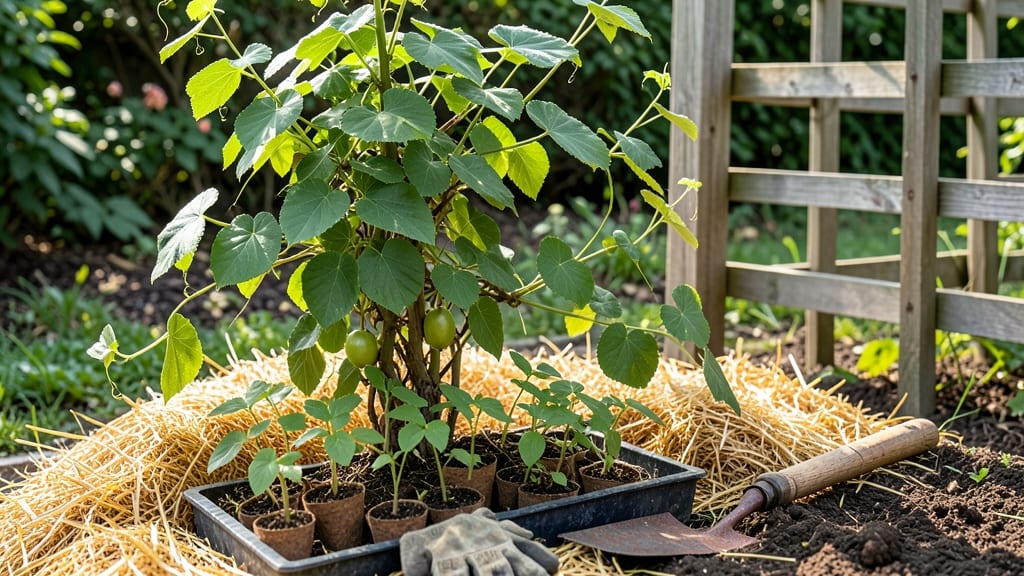
Planting a garden in North Dakota means timing is everything—your last frost date in Zone 5B is the difference between a thriving harvest and lost seedlings.
North Dakota’s short growing season demands precision—plant too early and risk frost damage, too late and miss peak harvests. Mastering the right timing can double your garden’s success rate, even in Zone 5B’s unpredictable climate.
With 120–150 frost-free days, you’ll need to focus on hardy 🌱 General Garden Plants like spinach and peas for early starts, while tomatoes and peppers wait until late May.
Below, I break down the exact windows for each crop, plus how to adjust for your specific location in Bismarck, Fargo, or Grand Forks.
You’ll learn how to use soil temperature, row covers, and microclimates to stretch your season—so you can enjoy fresh veggies from June through October without guessing.
North Dakota’s critical frost dates & planting windows by season
North Dakota’s USDA Zone 5B climate means gardeners must work with a 120–150-day growing season. The average last spring frost hits around May 15, while the first fall frost typically arrives by September 15.
These dates create tight windows for planting—especially for warm-season crops like tomatoes and peppers that need consistent warmth. Bismarck, Fargo, and Grand Forks may vary by 3–5 days, so always check local forecasts or ND State University’s frost maps for precision.
Cool-season crops like spinach, peas, and kale can handle light frosts and should be sown 4–6 weeks before the last frost. For example, I start my peas in early April under row covers to beat the rush.
Warm-season plants, such as tomatoes and cucumbers, need to wait until after May 15 when soil temperatures consistently reach 50°F+. Transplanting too early risks stunted growth or death from unexpected late frosts.
Here’s a quick reference for North Dakota’s planting windows by crop type, adjusted for Zone 5B’s variability:
| Crop Type | Planting Window | Key Notes |
|---|---|---|
| Cool-Season Vegetables | Early April – Mid-May (before last frost) | Spinach, peas, lettuce, kale, broccoli |
| Warm-Season Vegetables | Mid-May – Early June (after last frost) | Tomatoes, peppers, cucumbers, beans, corn |
| Fall Crops | Early August – Early September (6–8 weeks before first frost) | Kale, carrots, radishes, spinach, Swiss chard |
| Perennials & Flowers | Early May – Late June (after frost risk) | Coneflowers, lavender, daylilies, hardy perennials |
| Herbs | Mid-May – Early June (or start indoors in March) | Basil, parsley, cilantro (tender herbs); thyme, oregano (hardy) |
For Bismarck’s slightly cooler microclimate, I delay warm-season plantings by 3–5 days compared to Fargo or Grand Forks.
For example, I wait until May 20 to plant tomatoes in Bismarck but start them by May 15 in Fargo. Soil temperature is your best guide—use a soil thermometer to confirm it’s 50°F+ for warm crops. Cold soil slows germination and weakens seedlings.
Extend your season with row covers or cold frames for early starts. I’ve successfully grown spinach and lettuce from March to October by using floating row covers. For late-season crops, plant radishes or bush beans in early August to harvest before the first frost.
These tricks add 4–6 weeks to your growing season without risking frost damage.
Frost-sensitive plants like tomatoes and peppers need extra protection. I use black plastic mulch to warm the soil faster and cloche tunnels for overnight coverage. Even with these tools, I prioritize fast-maturing varieties—like ‘Early Girl’ tomatoes (55 days) or ‘Bush Blue Lake’ beans (50 days)—to ensure harvests before frost.
Don’t forget about fall planting. Crops like kale and carrots thrive in cooler weather and can be sown until early September. I plant garlic in October for a spring harvest, taking advantage of North Dakota’s early snow cover to protect bulbs.
This strategy gives me fresh garlic by June, even in Zone 5B.
Monitor local weather updates from the National Weather Service or ND State University’s Garden Hotline for real-time adjustments. In my experience, 2023’s late spring frost in late May delayed my tomato planting by a full week.
Staying flexible with your schedule—and having backup seedlings—is key to success in North Dakota’s unpredictable climate.
Pro tip: Keep a gardening journal to track your frost dates and planting success. Over time, you’ll spot patterns in your microclimate. For instance, my Grand Forks garden often gets frost-free 2–3 days earlier than Bismarck due to its lower elevation.
Adjusting my schedule by even a few days can mean the difference between a bountiful harvest and a failed crop.
With the right timing, North Dakota’s short season can yield abundant harvests. Start cool crops early, protect warm-season plants, and embrace fall planting for a garden that thrives year-round—even in Zone 5B’s challenges. 🌱
Hardiest vegetables to start early in North Dakota’s short season
When North Dakota’s last frost date hovers around May 15, timing is everything for a productive garden. The key to success lies in planting cold-hardy vegetables that can withstand light frosts and even thrive in cool soil temperatures.
These early starters give you a head start on the growing season, ensuring you can harvest before the first fall frost in mid-September.
According to the North Dakota State University Extension, these 8 hardiest vegetables can be sown 4–6 weeks before your last frost date, often as early as late April.
By choosing these resilient crops, you’ll maximize your garden’s potential in Zone 5B’s challenging climate. Plus, pairing them with row covers or cold frames can extend your harvest window even further.
- 🥬 Spinach: Start seeds indoors in March or direct sow 4–6 weeks before last frost. Tolerates 20°F and thrives in partial shade. Harvest leaves as needed for continuous production.
- 🌱 Peas: Sow as soon as soil is workable (around April 15). Prefers cool temperatures and trellis support. Ready to harvest in 60–70 days.
- 🥬 Kale: Direct sow 3–4 weeks before last frost or start indoors in March. Survives 15°F and tastes sweeter after light frost. Cut-and-come-again harvest.
- 🥕 Radishes: One of the fastest growers—sow 3–4 weeks before last frost for harvest in 25–30 days. Thrives in cool weather and well-drained soil.
- 🥬 Lettuce: Start seeds indoors in March or direct sow 4 weeks before last frost. Prefers partial shade in summer. Harvest outer leaves to prolong production.
- 🥬 Swiss Chard: Sow 3–4 weeks before last frost or start indoors in March. Tolerates 25°F and continues producing until fall frost.
- 🥬 Arugula: Direct sow as early as March or 4 weeks before last frost. Peppery flavor intensifies in cool weather. Harvest leaves when young.
- 🥬 Bok Choy: Start seeds indoors in March or direct sow 3–4 weeks before last frost. Prefers cool soil and consistent moisture. Ready in 30–40 days.
For these cold-tolerant crops, focus on soil preparation first. Amend your garden beds with compost to improve drainage and fertility, as cool soil can slow germination. The North Dakota State University recommends testing your soil’s pH—most of these vegetables prefer a neutral to slightly acidic range (pH 6.0–7.0).
Extend your growing season by using low tunnels or cold frames to protect young plants from late spring frosts. These simple structures can raise soil temperatures by 5–10°F, giving your early crops a significant advantage.
For example, a row cover over peas can accelerate growth by 10–14 days, ensuring you beat the first frost in September.
Don’t overlook succession planting—sow radishes or lettuce every 2 weeks for a continuous harvest. This strategy works especially well in North Dakota’s short season, where space and time are limited.
By staggering plantings, you’ll avoid gluts and ensure a steady supply of fresh produce from May through September.
Finally, keep an eye on weather forecasts and adjust your planting schedule as needed. If unseasonably warm weather arrives early, some cool-season crops like spinach may bolt. Stay flexible and be ready to harvest or replant as conditions change.
With these hardy vegetables and a few smart strategies, you’ll make the most of North Dakota’s short but sweet growing season. 🌱