
Planting
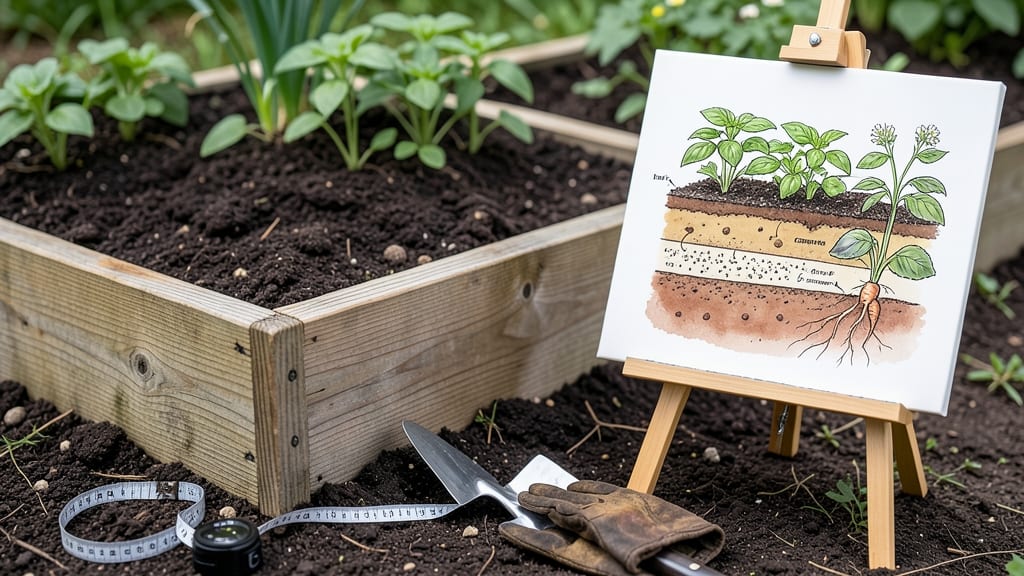
To figure out how deep to make raised garden beds, aim for 6–12 inches—enough to give most plants room to root without wasting soil or space.
Struggling to decide how deep your raised garden beds should be? Plant roots need the right space to thrive—and getting it wrong means wasted soil, stunted growth, or even plant failure.
Here’s the deal: shallow beds work for lettuce and radishes, but deep-rooted crops like potatoes or asparagus demand 18+ inches of soil. The good news? You don’t have to dig a hole—layering compost and organic matter can stretch your bed’s potential.
Below, I break down the exact depth rules by plant type, how to adjust for mixed gardens, and the 3 biggest mistakes that turn your raised beds into a money pit. Let’s get growing!
Minimum raised garden bed depth requirements by root type
When building raised garden beds, one of the most critical decisions is depth. The standard 6-12 inch rule works for most vegetables, but deep-rooted crops like asparagus or potatoes need 18+ inches to thrive.
Shallow-rooted herbs, on the other hand, often do fine in just 6 inches of soil. Getting this wrong can lead to stunted growth, poor yields, or even plant failure.
Most gardeners default to 12-inch beds because they accommodate the majority of common vegetables. However, this one-size-fits-all approach can waste soil and space. For example, lettuce and radishes only need 6-8 inches of soil, while carrots and beets require 12-18 inches to grow fully.
Understanding these differences ensures your beds are both cost-effective and productive.
Below is a root-depth chart for common plants, helping you plan beds that match your gardening goals. Whether you're growing herbs, vegetables, or perennials, this guide prevents overbuilding (wasting materials) and underbuilding (limiting plant growth).
For deep-rooted perennials like asparagus or rhubarb, consider trench planting or modular containers if your bed isn’t deep enough. These plants can take 3-5 years to establish, so giving them the right depth upfront saves future headaches.
Meanwhile, shallow-rooted herbs like basil or cilantro thrive in 6-inch-deep containers, making them perfect for balcony gardens or small spaces.
If you’re unsure about your soil’s depth, dig a test hole near your bed’s future location. Measure how deep the roots of your current plants (or weeds) go—this gives you a real-world benchmark.
For example, if your carrots are struggling in a 10-inch bed, it’s a clear sign you need to go deeper. Conversely, if your lettuce is doing well in a 6-inch pot, you’re likely overbuilding for that crop.
Another pro tip:
How to adjust raised bed depth for different plant groups
Not all plants need the same depth in your raised beds—and using a one-size-fits-all approach can mean wasted soil or struggling crops. I’ve learned the hard way that lettuce thrives in shallow beds while asparagus demands deep trenches.
The key is matching your bed depth to the plant’s root system, whether you’re growing vegetables, herbs, or flowers. Let’s break down how to customize your raised beds for maximum growth without overbuilding.
For container gardening or small spaces, shallow beds (6–8 inches) work perfectly for fast-growing greens and herbs. But if you’re planting perennial fruits like blueberries or deep-rooted vegetables such as potatoes, you’ll need to go deeper—or get creative with layered techniques.
The good news? You don’t always need to dig a massive hole. With smart layering and zoning, you can grow almost anything in a space-efficient way.
🌱 Key Depth Guidelines for Your Raised Beds
- 1 6–8 inches: Ideal for shallow-rooted plants like lettuce, radishes, and herbs (basil, chives). Perfect for container gardening or top layers in mixed beds.
- 2 10–12 inches: The standard depth for most vegetables (tomatoes, carrots, beans) and flowers. This is your "safe zone" for mixed planting.
- 3 18+ inches: Required for deep-rooted perennials (asparagus, rhubarb) or heavy feeders like corn. Use layered beds or trench planting if space is limited.
- 4 Herb-specific: Parsley and cilantro need 6–8 inches, while rosemary and thyme thrive in 10–12 inches with excellent drainage.
- 5 Modular approach: Divide beds into zones (e.g., 6-inch top layer for greens + 12-inch bottom for tomatoes) using cardboard barriers to keep soil layers separate.
If you’re working with limited space, try the "lasagna bed" method: layer compost, straw, and topsoil in 4–6 inch increments. This mimics deep soil without requiring a massive excavation.
For example, I built a 12-inch bed for tomatoes by alternating layers of compost and garden soil, then topped it with 2 inches of mulch. The result? Healthy plants with minimal wasted soil. Just remember to water deeply to ensure moisture reaches all layers.
For permanent beds, plan ahead for future crops. If you love asparagus or artichokes, allocate a dedicated deep section (18+ inches) or use trench planting. I once tried growing asparagus in a 10-inch bed—disaster!
The crowns struggled, and yields were pitiful. After switching to a 2-foot-deep trench, my plants thrived. Pro tip: Mark your bed zones with stakes or labels to avoid confusion when planting.
Don’t forget about drainage and soil quality. Even in deep beds, compacted soil or poor drainage can stunt roots. I always add a 2-inch layer of coarse sand or small gravel at the bottom before filling with soil.
This prevents waterlogging, especially in clay-heavy areas. For container gardening, ensure your pots have drainage holes and use a lightweight potting mix to prevent root suffocation.
Adjusting your raised bed depth doesn’t have to be complicated. Start with a 10–12 inch bed for versatility, then customize as needed. Whether you’re growing fast greens, deep-rooted veggies, or perennial herbs, the right depth makes all the difference. Happy planting! 🌱