
Planting
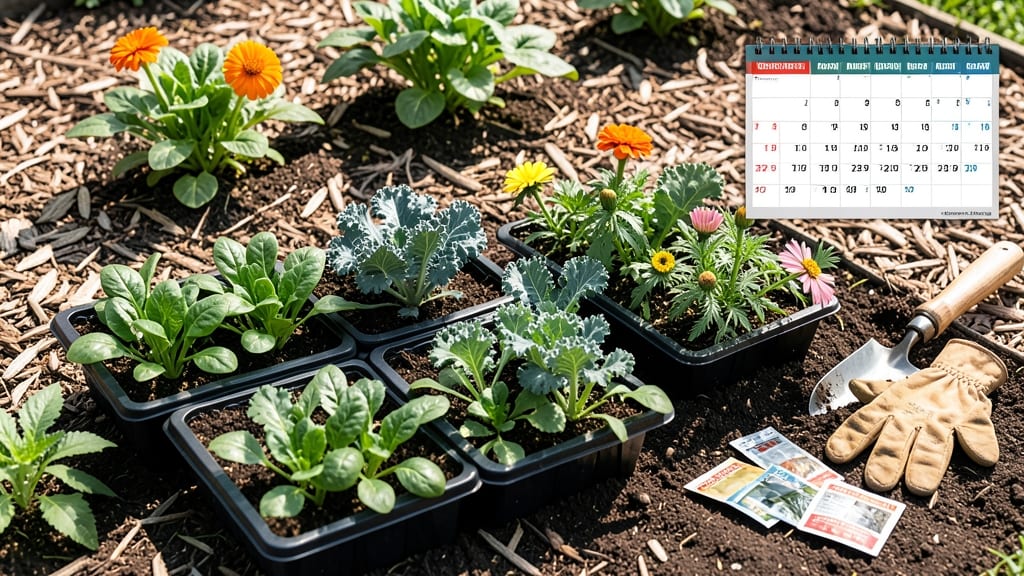
Planting a garden in Cleveland, Ohio, starts about 6 weeks before your last spring frost date — usually mid-March for most of the city.
Cleveland’s unpredictable weather can turn a gardener’s dream into a gamble—unless you know the exact planting windows for your microclimate zone. Miss the mark, and your tomatoes could freeze; time it right, and you’ll harvest like a pro.
With USDA Zones 5b-6a, the key is balancing soil warmth with frost risks. Downtown areas often warm up faster than suburbs, so adjust your schedule based on whether you’re near Lake Erie or inland.
Below, I’ll break down the perfect timing for seeds, transplants, and fall crops, plus how to stretch your growing season with simple tricks that actually work.
Cleveland’s planting zones: when to start seeds indoors vs. outdoors
Cleveland’s USDA Zone 5b/6a climate means your planting schedule hinges on precise timing—especially when balancing cool-season crops like kale and peas with warm-season staples like tomatoes and peppers.
The average last frost date varies by neighborhood, with Lakefront areas often 1–2 weeks earlier than inland zones due to the lake effect.
For indoor seed starting, begin cool-season crops like spinach and broccoli in late February to early March, while warm-season plants (tomatoes, peppers) need a March 15–April 1 start.
Outdoor planting windows shift dramatically—April 15–May 1 for hardy greens, but wait until May 15–June 1 for tomatoes and peppers.
Here’s a quick reference for Cleveland’s frost dates and planting windows by microclimate:
Cleveland’s Lake Effect creates microclimates where Lakefront neighborhoods (like Edgewater) can plant cool-season crops 1–2 weeks earlier than inland areas (like Parma). For example, while inland gardeners might wait until May 1 to plant tomatoes, Lakefront gardeners can start April 25—but always monitor soil temperatures with a probe.
For indoor seed starting, use grow lights to provide 14–16 hours of light daily until seedlings are hardened off. Transplant outdoors only after nighttime temperatures stay above 50°F for cool-season crops or 60°F+ for warm-season plants.
My rule of thumb? Wait until Mother’s Day weekend for tomatoes unless you’re using row covers.
Don’t overlook fall planting! Cleveland’s first frost typically arrives October 15–November 1, leaving room for cool-season crops like kale and radishes. Sow seeds 8–10 weeks before first frost (around August 15) for a late-season harvest.
Inland areas may need to push this to September 1 due to earlier frosts.
Pro tip: Use frost cloth to extend your planting window by 2–3 weeks in spring or fall. For example, I’ve successfully grown peppers in early May with a floating row cover, even when nighttime temps dipped to 45°F. Just remove covers during the day to prevent overheating.
If you’re new to Cleveland gardening, test your soil in early spring—aim for a pH of 6.0–7.0 for most vegetables. Amend with compost or aged manure to improve drainage, especially in clay-heavy soils common in inland areas. Lakefront gardens often benefit from sand amendments due to higher moisture retention.
Remember: Cleveland’s unpredictable weather means flexibility is key. Keep a planting journal to track your microclimate’s quirks—like the year my tomatoes thrived when planted June 10 after a late frost delayed the usual schedule. Next year, I’ll adjust
Microclimate adjustments: how Cleveland’s urban heat islands affect planting
Cleveland’s downtown gardens can enjoy 1-2 weeks earlier planting than suburban areas thanks to the urban heat island effect. Concrete and buildings absorb heat during the day, radiating warmth at night—creating pockets where tomatoes and peppers thrive weeks before inland zones.
This microclimate shift means your Lakefront garden might support earlier lettuce while inland areas still face frost risks.
Wind exposure also plays a critical role. Downtown areas experience less wind protection from Lake Erie’s breezes, which can dry out soil faster. Meanwhile, neighborhoods near tree-lined streets benefit from natural windbreaks, extending the growing season by 10-14 days compared to open fields.
Understanding these variations lets you adjust planting dates without guessing.
Use sidewalks and buildings to your advantage by planting heat-loving crops like okra or sweet potatoes against south-facing walls. These surfaces reflect sunlight, creating microclimates where soil warms 5-7°F faster than open ground.
For example, my downtown container garden hits 70°F soil temps by late April—ideal for warm-season transplants when suburbs are still chilly.
Lake Effect planting carries unique risks. While downtown areas benefit from urban warmth, Lakefront properties face delayed warm-ups due to late-season lake breezes. Plant hardy greens like kale first, then transition to tomatoes and peppers only after May 15.
Inland gardens should wait until May 22 for warm crops—10 days later than downtown.
Extend your season by leveraging urban structures. Trellis vines like pole beans against brick walls capture reflected heat, while raised beds near foundations stay warmer longer. My elevated planters near the building foundation supported cucumber harvests 3 weeks earlier than ground-level beds in the yard.
Test your microclimate by monitoring soil temperatures with a simple probe. Aim for 60°F+ for peas and 70°F+ for tomatoes. Downtown gardens often hit these marks 2 weeks earlier than suburbs—let data guide your planting, not the calendar. Adjust by 1-2 weeks based on your location’s heat island advantages.