
Watering
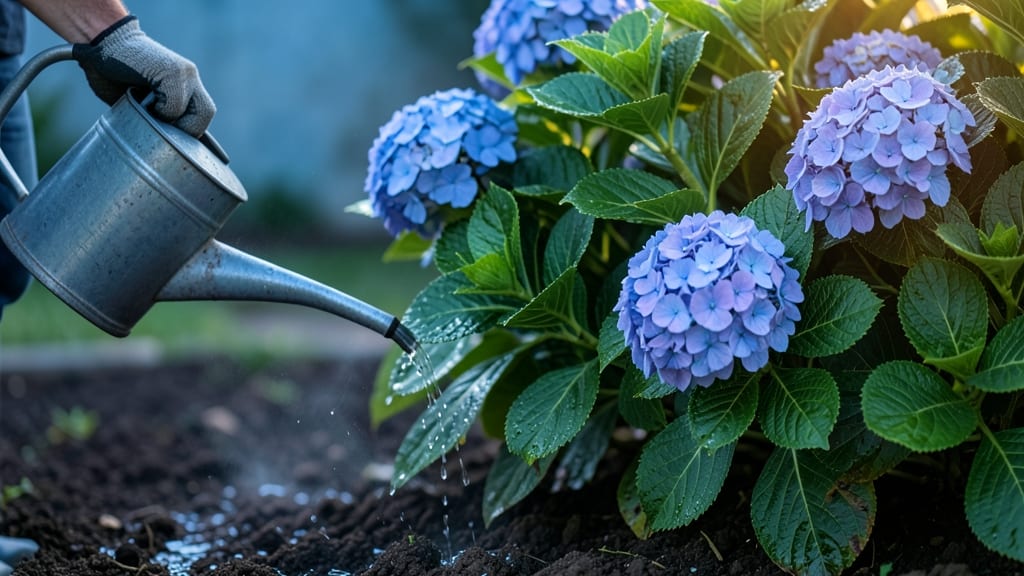
Watering your garden in the morning or evening makes a surprisingly big difference in how your 🌱 General Garden Plants grow—and which method wastes water.
Struggling to decide whether morning or evening watering is best? The timing you choose could be the difference between thriving plants and wasted water—and here’s the science to prove it.
Morning watering gives roots time to soak up moisture before the heat sets in, while evening watering keeps foliage dry longer, reducing fungal risks. But climate, soil type, and even your plants’ needs flip the script in certain cases.
Below, I break down the pros and cons of each approach, climate-specific tweaks, and the one common mistake that’s secretly costing you water every season.
Morning vs evening watering: how timing affects plant growth and health
Deciding whether to water your garden in the morning or evening isn’t just about convenience—it’s a science that directly impacts your plants’ growth rates, disease resistance, and even root development.
Studies show that watering at the wrong time can waste up to 30% of your water due to evaporation, while the right timing can boost photosynthesis by 15-20% in optimal conditions.
The key differences lie in how water interacts with your plants’ biological processes throughout the day. Morning watering allows foliage to dry quickly, reducing fungal risks, while evening watering can lead to prolonged moisture on leaves—a prime condition for powdery mildew and blight.
Let’s break down the science so you can make an informed choice for your garden’s unique needs.
| Factor | Morning Watering (6-9 AM) | Evening Watering (6-9 PM) |
|---|---|---|
| Evaporation Rate | Low (cooler temps) | High (warmer air retains moisture) |
| Photosynthesis Boost | High (moisture available for sunrise growth) | Moderate (limited daylight for uptake) |
| Disease Risk | Low (foliage dries quickly) | High (moisture lingers overnight) |
| Root Development | Optimal (steady hydration) | Slower (surface moisture only) |
| Water Efficiency | 90% retained in soil | 60-70% retained (evaporation loss) |
Morning watering is the gold standard for most gardens because it aligns with your plants’ natural circadian rhythms. When you water between 6-9 AM, the moisture has all day to penetrate the root zone before the sun peaks.
This is especially critical for deep-rooted plants like tomatoes and peppers, which need consistent hydration to develop strong fruit yields.
However, evening watering isn’t entirely off the table. In arid climates like Arizona or Nevada, watering in the late evening (after 8 PM) can reduce daytime evaporation by up to 40%.
For container gardens or succulents, this approach minimizes water stress during scorching afternoons. Just avoid watering past 9 PM, as cooler nighttime temps can slow absorption.
Your plants’ foliage type also plays a role. Broadleaf plants like roses or hostas are more susceptible to fungal diseases if water sits on leaves overnight. In contrast, needle-leaf evergreens (e.g., pine trees) handle evening watering better because their structure sheds moisture more efficiently.
Always water at the base rather than overhead to minimize disease risks.
Don’t overlook the seasonal shift in your watering strategy. During summer months, morning watering is non-negotiable—high daytime temps can evaporate 50% of water within hours.
But in spring or fall, when temps are milder, evening watering can work if your garden is shaded or you’re dealing with water-restricted zones.
One common misconception is that drip irrigation eliminates timing concerns. While drip systems reduce evaporation, they still benefit from morning watering. The slow, steady release mimics natural rainfall, ensuring deep soil penetration without surface runoff.
For lawns, early morning watering (before 8 AM) prevents fungal issues like brown patch disease, which thrives in damp grass overnight.
To test what works best for your garden, try this experiment: Split your garden into two sections. Water one half in the morning and the other in the evening for 4 weeks, tracking leaf health, growth rate, and water usage.
You’ll likely notice the morning-side plants have darker green foliage and fewer signs of stress. Use this data to refine your schedule—perhaps a hybrid approach works best for your climate.
Ultimately, the best time to water depends on balancing evaporation rates, disease prevention, and your plants’ specific needs. Start with morning watering as your baseline, then adjust based on your local climate, plant types, and seasonal changes.
Your garden will thank you with healthier roots, vibrant blooms, and higher yields all season long. 🌱
Best practices for watering your garden based on climate and plant type
Your garden’s watering schedule isn’t one-size-fits-all—it depends on your local climate and the types of plants thriving in your beds. In arid climates, like desert regions, morning watering minimizes evaporation, while humid climates may benefit from evening watering to reduce fungal risks.
Even temperate zones require nuanced adjustments based on seasonal shifts and specific plant needs.
For vegetables like tomatoes and peppers, morning watering ensures roots absorb moisture before the heat of the day. Flowers such as roses and hydrangeas often prefer evening watering to prevent leaf scorch.
Meanwhile, succulents and cacti demand a completely different approach—deep but infrequent watering, regardless of time. Let’s break down the best practices for each scenario.
Climate-Specific Watering Timing
- Arid Climates (Desert/Semi-Arid): Water before 8 AM to reduce evaporation and prevent soil from drying out too quickly. Use drip irrigation for efficiency.
- Humid Climates (Tropical/Rainforest): Water in the evening (after sunset) to avoid prolonged leaf wetness, which fuels fungal diseases like powdery mildew.
- Temperate Climates (Moderate Seasons): Morning watering (6-9 AM) is ideal for most plants, but switch to evening in summer heatwaves to conserve moisture.
Plant-Type Watering Rules
- Vegetables (Tomatoes, Peppers, Lettuce): Water deeply in the morning to encourage strong root growth and prevent blossom-end rot.
- Flowers (Roses, Hydrangeas, Petunias): Evening watering helps preserve blooms and reduces stress from afternoon sun exposure.
- Succulents/Cacti: Water once every 2-3 weeks (regardless of time) and only when soil is completely dry.
- Herbs (Basil, Mint, Thyme): Keep soil consistently moist with morning watering to avoid wilting—these plants hate soggy roots but also dry spells.
Don’t forget to adjust your schedule during extreme weather. If a heatwave hits, water twice daily—once in the early morning and once in the late evening. Conversely, in cool, rainy seasons, reduce frequency and let nature do the work.
Always check soil moisture by sticking your finger 1-2 inches deep—if it’s dry, it’s time to water.
For container gardens, morning watering is best to prevent stagnant water in pots, which can breed mosquitoes. Use self-watering pots or bamboo stakes to monitor moisture levels. Mulching with straw or wood chips also helps retain moisture and regulate soil temperature, reducing the need for frequent watering.
Pro tip: Invest in a rain gauge to track weekly rainfall and adjust your watering accordingly. Overwatering is just as harmful as underwatering—aim for 1-1.5 inches per week, including rainfall.
By tailoring your approach to your climate and plant types, you’ll save water, time, and keep your garden thriving all season long.