
Picking
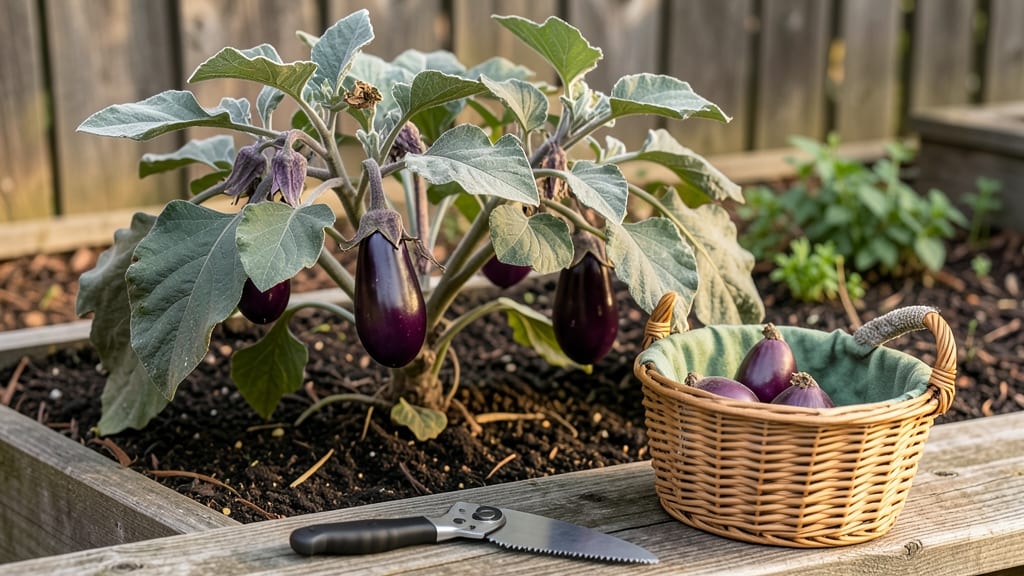
Here’s the trick: most gardeners wait too long, watching the color deepen until the flesh starts to degrade. The ideal moment is when the skin shifts to its mature hue, feels firm to the touch, and the stem snaps cleanly when twisted.
That’s the sweet spot between underripe and overripe, and it’s easier to spot than you think.
In USDA Zone 6a, where spring planting kicks off after the last frost (usually mid-April), eggplants typically reach harvest readiness by mid-summer. But timing varies by variety — some stay glossy and compact, while others grow long and striped.
Below, I’ll walk you through the visual cues, firmness tests, and seasonal adjustments to nail it every time.
You’ll learn how to read the plant’s signals, avoid the three biggest mistakes that ruin eggplant texture, and even troubleshoot if your harvest arrives early or late. No more guesswork — just a foolproof way to pull eggplants at peak flavor.
How to identify the right time to harvest eggplant by color and firmness
Harvesting eggplant at the perfect moment transforms your garden bounty into a culinary delight. The key lies in watching for three critical signs: color intensity, skin firmness, and fruit size.
I’ve learned that ignoring these cues can turn a sweet, tender eggplant into a bitter, seedy disappointment. Let’s break down how to spot the ideal harvest window for your plants.
For most varieties, eggplants reach peak flavor when their skin turns deep purple or glossy black, depending on the type. White varieties, like Casper, should develop a creamy, even hue.
The color shift happens gradually, so check your plants every 2-3 days during the harvest window. Remember, overripe eggplants lose texture and develop tough seeds.
Here’s how to use color as your first clue, along with firmness and size indicators:
| Sign | Purple Varieties | White Varieties | Action |
|---|---|---|---|
| Color | Deep, uniform purple or black | Creamy white with slight yellow tint | Harvest when color is fully developed |
| Firmness | Skin resists gentle pressure | Firm but not hard | Press lightly—if it springs back, it’s ready |
| Size | 6-12 inches long (varies by type) | 5-8 inches long | Measure against variety’s mature size |
| Stem Test | Twists easily with slight resistance | Snaps cleanly at stem base | Grasp stem and twist gently—if it separates, harvest! |
Don’t overlook the stem test, which is my foolproof method for confirming readiness. Gently twist the eggplant at its stem—if it separates cleanly from the plant with just a slight pull, it’s time to harvest.
This test works for all varieties, including the long, slender Ichiban or the round Black Beauty. Pro tip: Use a sharp knife to cut stems if twisting feels risky.
Size matters too, especially for heirloom varieties that grow larger. For example, Rosa Bianca eggplants can reach 12+ inches long, while Fairy Tale stays compact at 4-6 inches.
Always check your seed packet for expected mature sizes. Harvesting too early means underdeveloped flesh, while waiting too long leads to woody texture and bitter flavor.
One common mistake I’ve seen is relying solely on color. A dull or uneven hue signals the eggplant isn’t ready, even if it’s large. Similarly, a wrinkled or soft skin means it’s past its prime.
Always combine color, firmness, and size checks for accuracy. For example, a glossy purple skin paired with firmness under pressure and heavy weight for its size is your green light to harvest.
Seasonal timing also plays a role. In hot climates, eggplants may ripen faster—sometimes in as few as 60 days. In cooler regions, they might take up to 100 days.
I’ve found that July and August are peak harvest months in most gardens, but always adjust based on your local growing season. If frost threatens before your eggplants mature, harvest them regardless of size—they’ll still be edible, though slightly less flavorful.
For container-grown eggplants, monitor growth closely since they often mature faster due to limited root space. In my raised beds, I’ve noticed that dwarf varieties like Patio Baby ripen about 2 weeks earlier than standard types.
Always provide consistent moisture and balanced fertilizer to avoid stunted growth or uneven ripening.
Once you’ve mastered these signs, harvesting becomes second nature. Use a sharp knife or pruners to cut stems, leaving a small stem attachment to extend shelf life. Store your freshly picked eggplants in a cool, dark place for up to a week, or refrigerate for longer storage.
With practice, you’ll develop an eye for the perfect moment—transforming your garden into a year-round source of delicious, homegrown eggplants.
Common mistakes that cause eggplant to be picked too early or too late
Harvesting eggplant at the wrong time can turn your hard work into a bitter, seedy disappointment. Many gardeners rush the process, picking too early when the fruit is still firm but underdeveloped, or wait too long until the skin softens and the texture degrades.
Both mistakes affect flavor and usability. Understanding these common timing errors helps you avoid wasting your garden's potential.
One of the biggest red flags is harvesting eggplant before it reaches full size. When picked too early, the flesh remains tough, the seeds are underdeveloped, and the flavor can turn unpleasantly bitter.
This often happens when gardeners focus on color alone, assuming a deep purple hue means readiness. However, size and firmness are equally critical indicators of true maturity.
⚠️ CALLOUT-WARNING ⚠️
🚨 Warning: Don't Trust Color Alone!
Many gardeners mistake deep color for readiness, but eggplants can stay purple without being ripe. Check for glossy skin, firmness, and mature size—not just color. Overripe eggplants develop soft spots, wrinkled skin, and poor texture, making them unsuitable for cooking.
Another frequent mistake is leaving eggplant on the vine too long. When overripe, the skin becomes dull, the flesh softens, and the seeds may even begin to harden. This stage is often signaled by wrinkled skin or a hollow sound when tapped.
Overripe eggplants are less flavorful and can spoil quickly, making them a waste of garden space. The key is to harvest just before these signs appear.
Seasonal adjustments play a crucial role in avoiding these mistakes. In hotter climates, eggplants may mature faster, requiring more frequent checks. Meanwhile, in cooler regions, they might take longer to reach harvest readiness.
Always align your harvesting schedule with your local growing season and variety-specific timelines to ensure you're picking at the optimal moment.
To prevent premature harvesting, I recommend setting a weekly reminder to inspect your plants. Look for the glossy skin, deep color, and firm texture that signal readiness.
For overripe eggplants, keep an eye out for soft spots or dull skin—these are clear signs it's time to harvest before quality declines. With practice, you'll develop an eye for the perfect moment to pick.
If you're still unsure, remember this rule of thumb: Harvest eggplant when it feels heavy for its size and the stem snaps easily. This combination of visual and tactile cues ensures you're picking at peak flavor and texture.
Avoid guessing—your eggplants will thank you with a delicious, seedless reward! 🍆