
Planting
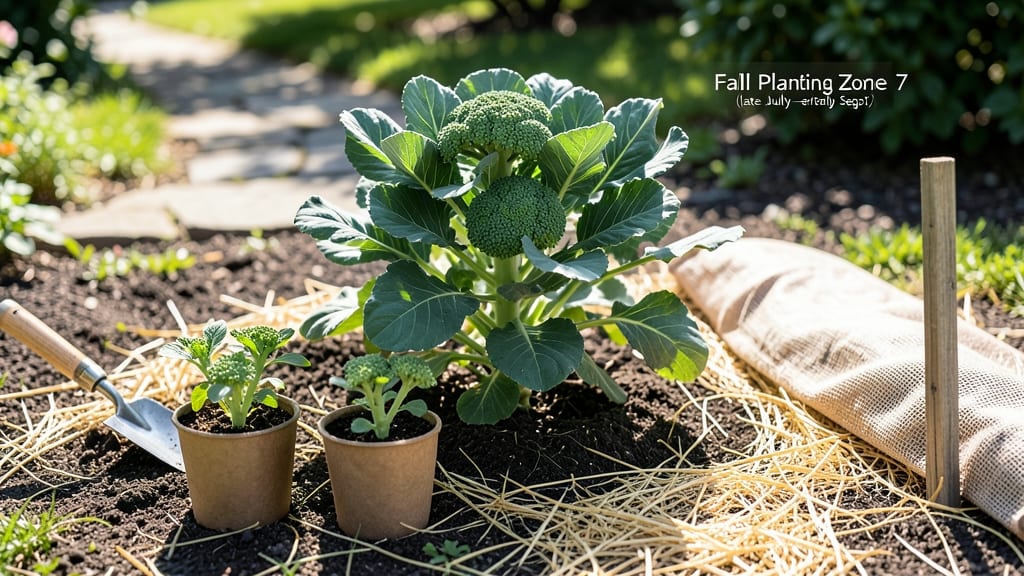
Planting a fall garden in Zone 7 means timing your seeds and transplants perfectly to avoid heat stress or early frost—think of it as a race against the seasons.
Timing is everything in gardening—plant your fall crops too early, and they’ll bolt in the heat; too late, and frost will ruin your harvest. In Zone 7, the window for a thriving fall garden is narrow but packed with opportunity—if you know the exact planting dates by plant type.
You’ve got about six weeks from the first frost to get your cool-season crops in the ground, but the real secret is starting 60 to 75 days before your first frost date.
That means late July for fast growers like radishes and early August for heartier veggies like broccoli or carrots.
Below, I break down the optimal planting windows for Zone 7’s top fall crops, how to adjust for your specific subregion (7a vs. 7b), and the succession planting tricks that keep your harvest table full until winter.
Zone 7 fall planting calendar: exact dates for cool-season crops
Fall gardening in Zone 7 rewards patience and precision—your cool-season crops need the perfect timing to thrive before winter sets in.
The difference between Zone 7a (average last frost: October 25-31) and Zone 7b (average last frost: November 1-7) means you’ll need to adjust your schedule by 1-2 weeks depending on your location.
Soil temperatures below 70°F signal it’s time to switch from summer crops to cool-season varieties. For most Zone 7 gardens, this happens around mid-August, but leafy greens like spinach can handle even cooler soils (50°F). The key is planting 6-8 weeks before your first frost to ensure a full harvest before temperatures drop.
Here’s your Zone 7 fall planting calendar, broken down by crop type and subregion. Use this as your guide to maximize yields and avoid common mistakes like premature bolting or frost damage.
For Zone 7a, aim to plant broccoli and kale by mid-September to ensure they mature before the first frost. These cool-season vegetables thrive when daytime temperatures stay below 75°F, so avoid planting too early—your seedlings will bolt in the summer heat.
In Zone 7b, you’ve got a slightly longer window. Spin
How to adjust planting times for fall garden success in Zone 7
Timing your fall garden in Zone 7 isn't just about avoiding frost—it's about working with the cool-season window while extending it as long as possible. The key is balancing heat-sensitive crops with those that thrive in cooler temps, all while accounting for your local last frost date.
Even a week too early or late can mean the difference between a bountiful harvest and wasted seeds.
Most gardeners in Zone 7 assume the average last frost is around October 15-30, but your exact date depends on elevation and microclimates. For example, Zone 7a (colder) may see frost by October 10, while Zone 7b (warmer) could stretch until November 5.
Calculating your local frost date using the National Weather Service or Almanac ensures you plant at the right moment.
-
1Start with cold-hardy crops like kale, spinach, and carrots 6-8 weeks before your first frost (typically late August for Zone 7). These handle cooler temps better than lettuce or radishes.
-
2Use row covers or low tunnels to extend your season by 2-4 weeks. These create a microclimate that protects broccoli and cabbage from early frosts while still allowing sunlight and airflow.
-
3Succession plant fast-growing crops like radishes or bush beans every 2 weeks from late July through early September. This ensures a continuous harvest before frost hits.
-
4Adjust for soil warmth: Test your soil temperature—most cool-season crops need 50-65°F to germinate. If your soil is still warm (above 70°F), wait until late August to plant.
-
5Plant frost-tolerant varieties like 'Winterbor' kale or 'Ruby Queen' turnips, which survive light frosts and even improve flavor after a 20-25°F dip.
If your local frost date deviates from the norm—say, due to urban heat islands or high-altitude gardens—adjust your timeline by 1-2 weeks. For example, if your area frosts by October 20, shift all planting dates earlier by 7-10 days.
Use a planting calendar tailored to your county for precision.
Don’t forget to harvest before hard frost (below 28°F) for most crops. Exceptions like garlic or hardy greens can stay in the ground, but others will turn mushy. For a second harvest, try overwintering with straw mulch or cold frames to protect tender roots.
With these adjustments, you’ll turn Zone 7’s fall chill into your garden’s peak productivity—no wasted seeds or bolted greens in sight. 🌱