
Picking
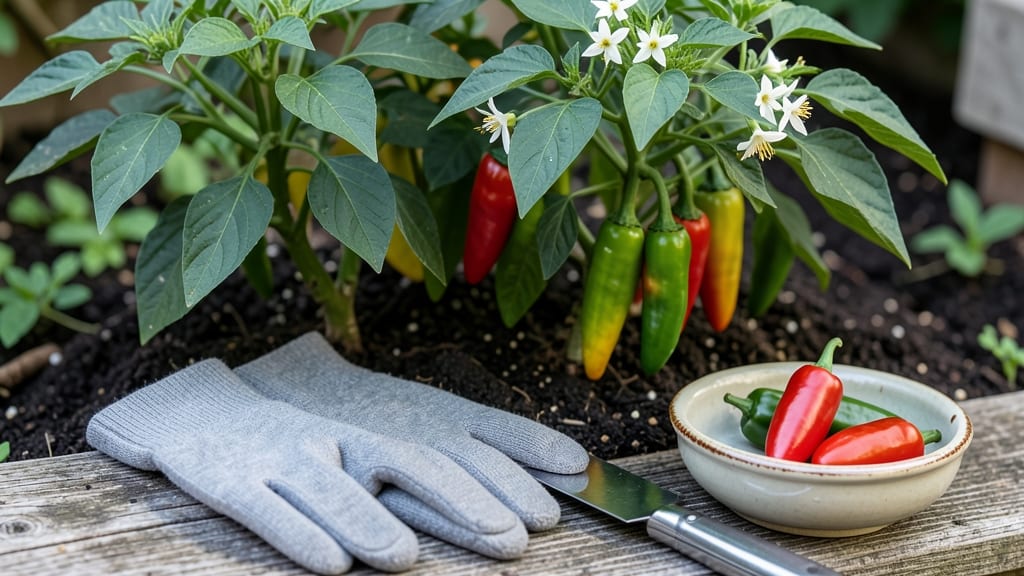
Picking garden salsa peppers 🌶️ at the right moment means the difference between a fiery, flavor-packed harvest and bland, underwhelming peppers.
Harvesting too early steals their heat and sweetness, while waiting too long turns them mealy and bitter—so timing is everything. The color-coded stages (green, red, and mature) aren’t just pretty; they’re your roadmap to peak flavor and spice.
In most climates, you’ll start seeing ripe peppers in late summer, but heat waves or early frosts can shift that window. I’ll walk you through the exact signs to watch for—firmness, size, and even how the stem snaps—so you never miss the perfect moment.
Once you master these cues, you’ll know when to snip for fresh salsas, when to let them ripen further for drying, and how to store them to keep that garden-fresh kick all season long.


3 Color-coded stages for picking salsa peppers (with heat & flavor impact)
Timing your harvest is everything when it comes to salsa peppers. Picking too early means milder heat and less flavor, while waiting too long can turn peppers mealy or overly sweet.
The color stages act as your guide—each one unlocks different heat levels and culinary uses. Let’s break down the three key stages and what they mean for your garden harvest.
First, the green stage marks the earliest harvest window. These peppers are firm, glossy, and packed with raw capsaicin—the compound that delivers heat. While they’re milder than their colored counterparts, they’re perfect for pickling or fresh salsas where you want a bright, tangy kick without overwhelming spice.
Many gardeners also harvest green peppers to encourage more fruit production on the plant.
Next comes the red stage, the most sought-after phase for many varieties. As peppers ripen, their heat levels intensify and sugars develop, creating a sweeter, more complex flavor. Red salsa peppers are ideal for drying (like chipotles) or fresh salsas where you want depth.
The shift from green to red can take 2-4 weeks, depending on your climate and variety.
Finally, some varieties reach a mature stage beyond red, like deep purple, yellow, or orange. These peppers often have the highest sugar content and richest flavors, but their heat may mellow slightly.
They’re perfect for fermented salsas or sauces where you want a balanced, fruity heat. Don’t overlook these late-season gems—they’re the secret to standout dishes!
Climate plays a huge role in ripening. In hotter regions, peppers may ripen faster and reach full color by early fall. Meanwhile, cooler areas might see peppers stay green longer or develop muted colors.
If frost threatens before your peppers ripen, harvest them green and dry them indoors to preserve heat and flavor.
Pro tip: Jalapeños and serranos are classic red-ripening varieties, but some like shishitos stay green forever. Always check your plant’s description—some are bred specifically for green harvests! For the boldest flavors, aim to pick when peppers are firm to the touch and their color is deep and uniform.
Overripe peppers can become wrinkled or soft, losing their snap and developing a bitter taste. If you miss the window, don’t toss them—blend them into sauces or ferment them to salvage their heat.
The key is to stay observant and harvest at the peak of ripeness for the best results.
For longer storage, pick peppers in the morning when temperatures are cool. Store them in a paper bag in the fridge to extend freshness for up to 2 weeks. If you’re drying peppers, harvest them at the red stage for maximum flavor intensity.
Experiment with different stages to discover your favorite flavor profiles. Some gardeners swear by green salsas for a bright kick, while others prefer the sweet depth of red-ripened peppers. The choice is yours—just time it right!
🌶️
How to test pepper ripeness beyond color (touch, size, and stem checks)
Color is just one clue when testing salsa pepper ripeness. Many gardeners miss the best harvest window by relying only on visual cues. The truth? Firmness, size, and stem checks reveal whether your peppers are truly ready—or past their prime.
These simple tests help you avoid underripe peppers (too mild) or overripe ones (soggy, bitter, or mealy).
For example, a jalapeño might turn red but still feel soft inside if left too long. Meanwhile, a serrano can reach its peak heat before full color change. Mastering these tactile tests ensures you harvest at the perfect moment for maximum flavor and heat—ideal for salsas, pickling, or drying.
- 🌱 Size Check: 2-4 inches long (smaller = underripe; larger = overripe).
- 👆 Firmness Test: Press gently—firm skin resists pressure; soft spots = overripe.
- 🌿 Stem Twist: Stem snaps cleanly when bent (easy release = ready).
- 🌶️ Glossy Skin: Shiny surface = hydrated and ripe; dull = drying out.
- ⏰ Timing Tip: Morning harvest after dew dries for crispest texture.
Start with the size benchmark—peppers under 2 inches are rarely flavorful, while those over 4 inches often lose their snap. My jalapeños hit peak ripeness at 3 inches, where their heat is sharpest.
Use your thumb to press the pepper’s shoulder (where it meets the stem). A ripe pepper should feel firm but slightly yielding, like a ripe avocado.
Next, test the stem separation. Gently twist the pepper at its base—if it snaps cleanly with minimal force, it’s ready. A stubborn stem means it’s still maturing, while a stem that pulls away easily signals overripeness.
This trick works for serranos, habaneros, and even bell peppers, though their ripeness cues differ slightly.
Watch for skin texture too. A ripe salsa pepper should have a smooth, glossy surface. Dull or wrinkled skin means the pepper is drying out, while a sticky residue (from overwatering) can dull flavor.
If you spot black spots or soft patches, harvest immediately—these peppers are past their prime and may spoil quickly.
Timing matters too. Morning harvests yield the crispest peppers because evening dew can make them soggy. I always check my plants first thing after sunrise, using a small knife to snip peppers at their base.
This prevents stem damage and encourages more peppers to ripen. Avoid harvesting after heavy rain—wet peppers bruise easily and lose their heat.
Pro tip: Taste test a few peppers to confirm ripeness. Underripe peppers taste bland, while overripe ones can be mealy or overly sweet. The sweet-spicy balance you crave in salsa comes only from peppers harvested at their peak ripeness. With these tests, you’ll never miss the window again!