
Picking
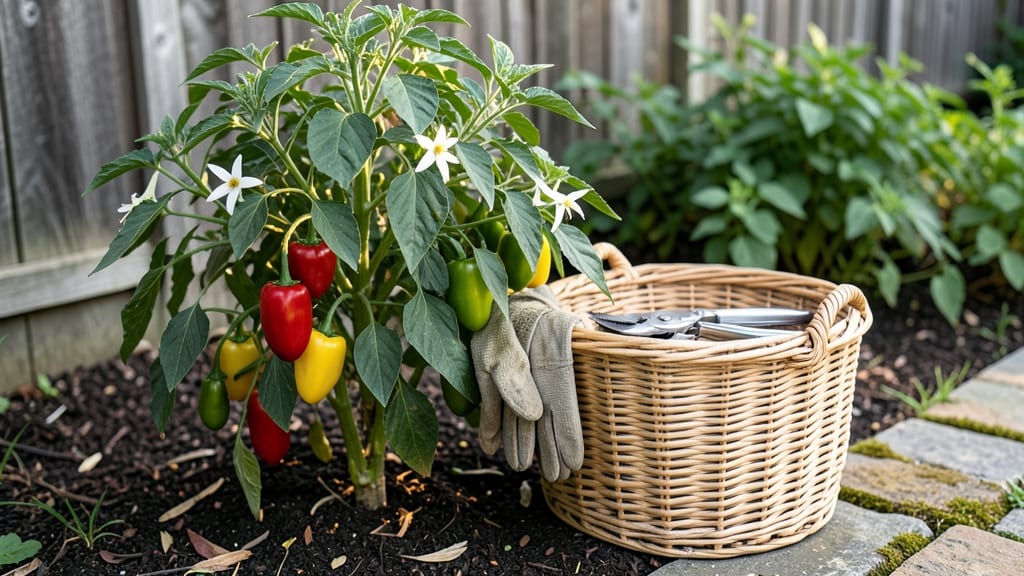
To pick peppers from your garden at the perfect moment means capturing their full flavor and avoiding the bitter, mealy texture of overripe pods.
Picture this: you’ve waited months for your 🌶️ peppers to mature, only to pull one too soon and find it still hard and bland, or worse, leave it on the vine too long and watch it shrivel into a sad, wrinkled mess.
The difference between a vibrant, crisp pepper and a disappointing one often comes down to timing—and knowing exactly when to harvest.
Whether you’re growing sweet bell peppers, fiery jalapeños, or heirloom varieties, ripeness isn’t just about color. Size, firmness, and even the way the pepper yields under gentle pressure all play a role.
In this guide, I’ll walk you through the key signs to look for, how climate and region can shift your harvest window, and the simple tricks to test ripeness so you never miss the sweet spot again.
You’ll also discover how to harvest without damaging your plants, store your peppers for maximum freshness, and avoid the three biggest mistakes that turn great peppers into garden flops. Ready to turn your pepper patch into a flavor powerhouse? Let’s get started.


How to identify pepper ripeness by color and size
Harvesting peppers at the perfect moment transforms your garden bounty from good to extraordinary. The key lies in understanding color shifts and size benchmarks specific to each variety. Unlike many vegetables, peppers continue maturing after picking, so timing matters more than you might think.
For example, a bell pepper picked too early stays bland, while a jalapeño left too long on the vine loses its signature heat. Let’s break down the visual cues that tell you when to reach for your shears.
Most peppers follow predictable color changes as they ripen, but not all varieties play by the same rules. Bell peppers start green and transition to red, yellow, or purple, while jalapeños and serranos often ripen from green to red or even black. Heirloom varieties, like the Shishito or Poblano, might ripen internally first, showing color changes on the inside before the outside.
Always check both color and firmness—these two factors combined give you the clearest signal it’s time to harvest.
Color is your first clue, but it’s not the only one. A jalapeño might turn red, but if it’s soft or wrinkled, it’s past its prime. Similarly, a bell pepper that’s fully red but still small could be underripe. Pair color with size benchmarks to avoid mistakes. For instance, a mature bell pepper should be about 3-5 inches long, while a jalapeño typically reaches 2-3 inches. Heirloom varieties often have unique size standards—always check seed packets for specifics.
| Variety | Mature Color | Size Benchmark | Firmness Test | Notes |
|---|---|---|---|---|
| Bell Pepper | Red, Yellow, Orange, Purple | 3-5 inches long | Firm, glossy skin | Harvest when fully colored; green peppers are immature. |
| Jalapeño | Green to Red/Black | 2-3 inches long | Firm with slight give | Red jalapeños are hotter; green ones are milder. |
| Poblano | Green to Dark Red | 4-6 inches long | Thick, firm walls | Ripens internally first; check inside if unsure. |
| Shishito | Green (rarely turns red) | 3-4 inches long | Tender, slightly waxy | Harvest when fully grown; flavor peaks at 3-4 inches. |
| Serrano | Green to Red | 1-2 inches long | Firm, glossy | Hotter when red; harvest early for milder flavor. |
Don’t rely solely on color—firmness is equally important. A ripe pepper should feel firm but slightly yielding when gently squeezed. If it’s rock-hard, it’s underripe; if it’s soft or wrinkled, it’s overripe.
For hot peppers, like jalapeños or serranos, the stem should also snap easily when bent at the base. This indicates the pepper has fully matured and is ready to pick. If the stem resists, give it a few more days.
Environmental factors can also influence ripening. Cooler temperatures slow down color changes, so peppers might stay green longer in fall. Conversely, hot, dry conditions can cause peppers to ripen faster and even crack if not harvested promptly.
Pay attention to your local climate—if you’re in a short growing season, like Zone 5 or 6, prioritize harvesting when peppers reach 75% of their mature color to avoid losing your crop to frost.
Heirloom and uncommon varieties often have unique ripening patterns. For example, the Banana Pepper ripens from green to yellow but can stay green if harvested early. Meanwhile, the Habanero turns from green to orange or red, but its heat intensifies as it ripens.
Always research your specific variety or ask fellow gardeners in local groups—seed packets often include ripening tips that can save you from guesswork.
One common mistake is assuming all peppers ripen the same way. Green peppers (like bell peppers) are immature and won’t sweeten further after picking, while red peppers develop deeper flavor and nutrients as they ripen.
If you’re growing a mix of varieties, keep a small notebook or use plant markers to track which peppers are ready. This simple habit prevents you from accidentally harvesting underripe pods or missing the perfect moment.
For continuous harvests, pick peppers regularly—every 2-3 days during peak production. This encourages the plant to produce more pods and prevents overripe peppers from sapping energy. If you notice peppers cracking or splitting, they’re likely overripe and should be harvested immediately
Common mistakes that make peppers taste bland or spoil
One of the biggest mistakes I see in home gardens is picking peppers too early—before they’ve fully developed their flavor. Green peppers harvested prematurely taste bland and watery, while mature peppers (red, yellow, or orange) pack the sweetest, most complex flavors.
The sugar content in peppers peaks at full ripeness, so patience pays off in every bite.
On the flip side, leaving peppers on the vine too long turns them mushy, cracked, or even detached by wind. Overripe peppers lose their crisp texture and develop bitter or fermented flavors. The key is timing—catching them at the perfect ripeness window ensures both flavor and texture stay ideal.
⚠️ Warning: Overripe Peppers Are a Flavor Disaster
Peppers left on the vine past their prime lose sweetness and develop bitter compounds. Cracked pods from overgrowth also invite pests and rot. Check peppers weekly—especially in hot climates—to avoid spoilage.
Another common error is harvesting at the wrong time of day. Peppers picked in midday heat wilt faster and lose moisture, while those harvested in the morning stay crisp longer. Always pick after the dew has dried (around 8–10 AM) to preserve texture and flavor.
Physical damage during harvest—like yanking peppers off the stem—can stress the plant and reduce future yields. Instead, use a sharp pair of scissors or twist gently to avoid tearing. This small step keeps your pepper plants productive for weeks longer.
Even storage mistakes after harvest can ruin flavor. Peppers stored in the fridge too soon develop a mealy texture, while leaving them at room temperature speeds up spoilage. Store them in a paper bag in the crisper drawer for up to 2 weeks to maintain freshness.
Finally, some gardeners ignore variety-specific cues. Heirloom peppers or hot varieties may ripen internally before changing color—always check for firmness and stem separation as backup signs. When in doubt, taste test one pepper to guide your harvest timing.