
Picking
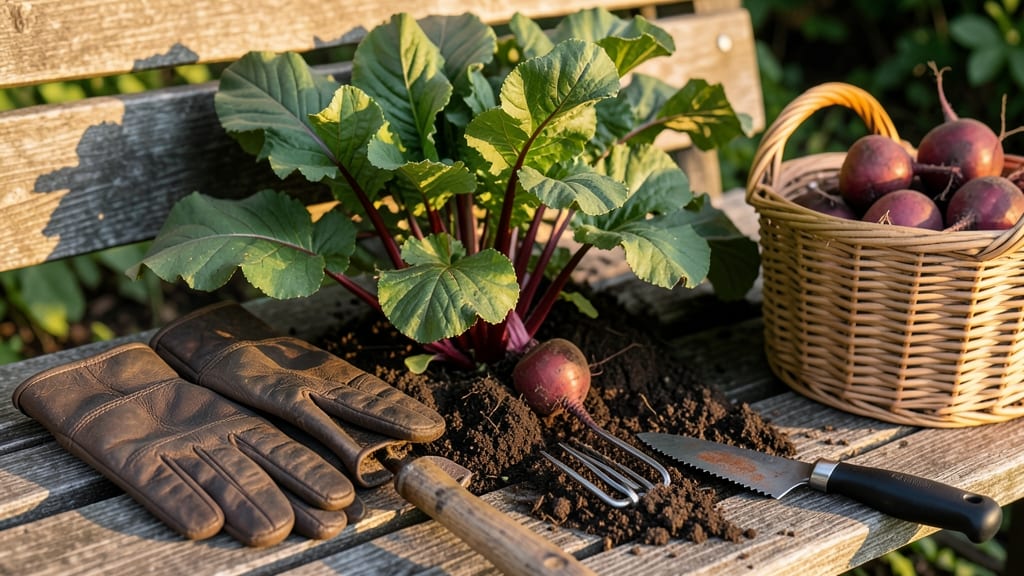
Picking beetroot from the garden at the right moment transforms tough, woody roots into sweet, tender bites—so timing is everything for a perfect harvest. 🍠
Most gardeners wait too long, ending up with oversized, fibrous roots that lose their natural sweetness. But knowing the exact signs—like root size, leaf color, and soil conditions—lets you pull them at peak flavor, just when they’re ready to shine in salads, roasts, or juices.
In this guide, I’ll break down the three key indicators to watch for, from ideal root diameter to vibrant foliage, plus how seasonal shifts affect your harvest window. Whether you’re growing in USDA Zone 6a or further south, these tips ensure you never miss the sweet spot.
You’ll also discover how to handle beetroot after harvest to keep them fresh longer, so you can enjoy their earthy goodness all season. Let’s get started!


How to determine beetroot harvest time by size, color, and texture
Knowing when to harvest your beetroot is all about balancing size, color, and texture. If you pull them too early, they'll be small and watery; too late, and you'll get tough, woody roots.
The key is watching for these three visual cues that tell you the moment is perfect. I’ve learned that variety matters—red, golden, and striped Chioggia beets all have slightly different signals.
Start by checking the root diameter. For most varieties, you want roots between 1 to 3 inches across. Smaller than 1 inch, and they’re still developing their sweetness.
Larger than 3 inches, and the center can turn fibrous. Golden beets often mature slightly smaller—around 1 to 2 inches—while Chioggia’s swirled patterns become more vibrant at 2 to 2.5 inches. Use a ruler or your fingers to gauge size without digging.
The color intensity is your next clue. Mature beetroot develops a deep, uniform hue—rich red for standard varieties, golden yellow for golden beets, or bold stripes for Chioggia. If the color is still pale or patchy, wait a few more days.
For red beets, the skin should also feel slightly taut, not loose. This tautness signals the root has reached peak moisture and sweetness.
Don’t ignore the leaf growth either. Healthy beet greens should be 3 to 4 inches tall and a deep, glossy green. If the leaves are yellowing or wilting, it could signal stress—either from overwatering or underripe roots.
For baby beetroot, harvest when leaves reach 2 to 3 inches, as they mature faster. I’ve found that pulling beetroot with 2–3 outer leaves still attached helps preserve the root’s tenderness.
Texture is the final test. Gently squeeze the root through the soil—it should feel firm but not hard. If it gives slightly, it’s ready. For Chioggia beets, the stripes should be crisp and well-defined.
Pro tip: Dig around the root with your fingers first to loosen the soil before pulling. This prevents damage to the skin, which can lead to rot during storage. A sharp knife can help if the soil is compacted.
Seasonal timing also plays a role. In cool climates (USDA Zones 3–6), aim to harvest in late spring or early fall when temperatures hover between 50°F and 75°F. Heat stress above 80°F can make beets woody, while cold snaps below 40°F slow growth.
I’ve noticed that fall harvests often yield sweeter roots because the cooler weather enhances natural sugars. Always check the soil temperature—it should be at least 55°F for optimal growth.
One common mistake I see is waiting too long because the greens look healthy. But the root might already be past its prime. If the beet feels hollow when tapped or the skin is tough, it’s overripe.
For continuous harvests, plant seeds every 2 weeks in spring and fall. This staggered approach ensures you always have fresh, tender beets ready to pick. Just remember: smaller, younger beets are sweeter and more delicate.
For Chioggia beets, pay extra attention to the striped pattern. The deeper and more defined the stripes, the riper the beet. If the stripes fade or blur, it’s a sign the beet has overmatured.
I’ve also found that golden beets often have a slightly waxy finish when ready, which adds to their visual appeal. This isn’t just about looks—it’s a texture cue that confirms they’re at peak flavor.
Finally, trust your senses. The best beetroot should smell earthy and fresh, not musty or sour. If you’re unsure, dig up one root as a test. Cut it open to check the color consistency—it should be uniform with no white or woody centers.
If it passes, the rest of your crop is ready. And if you’re growing multiple varieties, harvest them separately to avoid confusing their different maturity times.
Soil and seasonal tests to avoid overgrown or underripe beetroot
Beetroot thrives when grown in loamy, well-draining soil with a pH between 6.0 and 7.0. Before planting, test your garden soil using a simple home pH kit or send a sample to your local extension office.
Beetroots hate soggy soil—waterlogged conditions cause roots to split or rot, while sandy soil may yield small, tough roots. Amend your soil with compost or aged manure to improve texture and fertility before sowing seeds.
Seasonal timing is equally critical. Beetroot takes 50 to 70 days to mature, depending on the variety. In USDA Zone 6a, plant seeds in early spring (March-April) or late summer (August-September) for fall harvests.
Avoid planting when nighttime temperatures drop below 50°F (10°C), as cold stress slows growth and can make roots woody.
Watch for environmental cues like rainfall and sunlight. Beetroots need consistent moisture but hate drought stress, which makes roots bitter. If your region experiences dry spells, mulch heavily with straw or wood chips to retain soil moisture.
Conversely, too much rain can dilute soil nutrients—drainage tests (dig a hole, fill with water, and time how quickly it drains) help prevent waterlogged soil.
⚠️ callout warning ⚠️
⚠️ Warning: Overgrown Beetroot = Bitter, Woody Roots!
If you wait too long to harvest, beetroot roots can become hard and fibrous, losing their sweetness. Check roots every 2 weeks starting at 50 days—dig up one test root to gauge size. Never let tops grow taller than 6 inches; large foliage signals overmaturity. Harvest before frost in fall (before October 15 in Zone 6a) to avoid freezing damage.
Temperature also plays a role. Beetroots grow best in 60°F to 75°F (15°C-24°C) soil temperatures. If your spring starts too cold, use black plastic mulch to warm the soil faster.
In hot climates, shade cloth prevents bolting (premature flowering), which makes roots tough. Monitor your garden’s microclimate—even a 5°F (3°C) swing can affect sweetness and texture.
For peak sweetness, harvest beetroot when roots reach 1 to 3 inches in diameter and tops are 3 to 4 inches tall. Use a garden fork to loosen soil around the root before pulling gently. Leave 1 inch of stem attached—longer stems make storage harder.
If you’re unsure, cut open a test root: the flesh should be deep red, golden, or striped (depending on variety) with no green rings or hollow centers.
After harvest, cure beetroot for 1 hour in the sun to toughen skins before storing. Don’t wash roots before storage—moisture speeds rot. Keep them in a cool, dark place (40°F-50°F / 4°C-10°C) with high humidity, like a root cellar.
With proper timing and soil prep, you’ll enjoy tender, sweet beetroot all season long!