
Picking
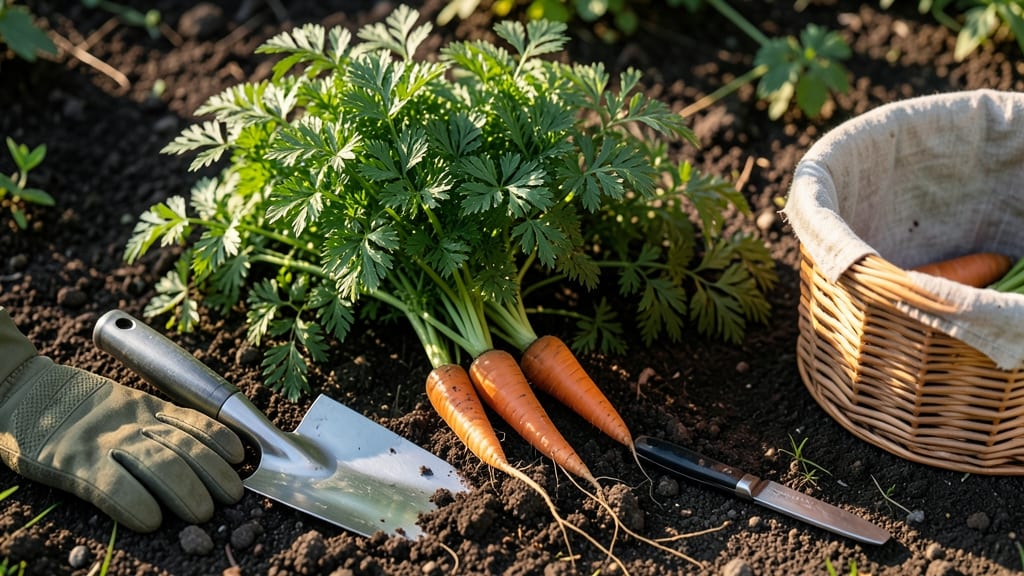
To pick carrots in your garden at the perfect moment means harvesting sweet, tender roots instead of tough, bitter ones — and the key lies in size, color, and soil resistance.
Picture this: you’ve nurtured your 🥕 for months, only to pull them too early and get pale, undersized roots, or wait too long and end up with woody, stringy messes. Knowing the right cues saves you from both scenarios.
Beyond the calendar, you’ll learn how to check soil firmness, spot ideal color shifts, and test for the right texture—all signs that your carrots are primed for harvest, whether you’re growing baby carrots or full-sized varieties.
From spring to fall planting windows in zone 6a to storage tips that keep your harvest fresh, this guide covers everything you need to pull carrots at their peak.


How to check carrot soil for harvest readiness
Harvesting carrots at the right time ensures maximum sweetness and tenderness—soil clues are your best guide. The perfect moment arrives when roots reach ideal size and the soil reveals three key signals: color, texture, and resistance. Ignoring these can lead to tough, woody roots or underdeveloped harvests.
Start by examining the soil color around your carrot tops. Healthy, ready-to-harvest soil should appear dark brown or black when moist, indicating rich organic matter.
If it looks pale or sandy, your carrots likely need more time to develop. Compacted or clay-heavy soil can also signal underdevelopment, as roots struggle to push through resistance.
Next, test soil resistance with your thumb. Gently press near the carrot tops—if the soil feels slightly firm but gives way, roots are likely mature. Rock-hard soil suggests overcrowding or poor drainage, while loose, crumbly soil may mean roots haven’t had enough time to thicken.
This tactile check prevents harvesting too early or too late.
Look at the stem color at the soil line. A yellow or brown stem base (no green) means the carrot is ready. Green stems indicate the plant is still actively growing. Pull a test carrot to confirm: if the root slides out cleanly with minimal resistance, your batch is harvest-ready.
Watch for soil separation when pulling. Ready carrots should release easily from the soil without breaking. If roots tear or soil clings stubbornly, they’re either underdeveloped or overmature. This visual cue helps avoid the common mistake of harvesting at the wrong stage.
Seasonal timing matters too. In spring-planted batches, check soil readiness around 60-80 days after sowing. Fall-planted carrots may take slightly longer, especially in cooler climates. Always adjust for your local frost dates—harvest before the first frost to prevent spoilage.
| Indicator | Ready Soil | Not Ready Soil | Action |
|---|---|---|---|
| Color | Dark brown/black | Pale, sandy, or gray | Harvest now |
| Texture | Slightly firm, crumbly | Rock-hard or loose | Wait 5-7 days |
| Resistance | Gives with thumb pressure | Resists or breaks easily | Test another carrot |
| Stem Color | Yellow/brown base | Green stem visible | Wait 1-2 weeks |
| Soil Separation | Root slides out cleanly | Sticks or tears | Adjust harvest timing |
Avoid the mistake of harvesting by size alone. Some varieties like 'Paris Market' stay small but are perfect at 2 inches, while 'Danvers' need 6+ inches for full flavor. Always cross-check soil conditions with root dimensions for accuracy.
For container-grown carrots, check soil readiness more frequently since roots have less space. Loose, well-amended potting mix speeds up maturity—test soil every 5-7 days starting at 45 days after planting. Overcrowded containers can also trick soil tests, so thin seedlings early to prevent false signals.
After confirming readiness, harvest on a dry, sunny morning to let roots dry slightly before storage. Rinse gently only before eating—dirt protects carrots and prevents spoilage. Store in cool, humid conditions (like a root cellar) for up to 3 months to preserve freshness.
By mastering these soil-based cues, you’ll consistently harvest carrots at peak sweetness. The key is observation: combine visual clues with tactile tests, and your garden will reward you with perfectly timed, flavorful roots every season. 🥕
Carrot size & shape guide: when to pull for best flavor
Carrots reach their peak sweetness when harvested at the right size and firmness. Different varieties mature at different rates, so knowing your carrot type is key.
Baby carrots should be pulled at 3-4 inches, while standard varieties need 6-8 inches for full flavor. Overgrown carrots become woody and lose their natural sweetness.
Beyond size, check the stem color—ready carrots have yellow or brown tops, not green. The skin should resist gentle thumb pressure but not feel rock-hard. If the carrot pulls easily from the soil with minimal resistance, it’s perfect for harvesting. Use these visual cues to avoid tough, fibrous roots.
| Variety | Ideal Size | Days to Harvest | Firmness Test | Best For |
|---|---|---|---|---|
| Baby (e.g., 'Paris Market') | 3-4 inches long | 50-60 days | Slight give when pressed | Salads, quick cooking |
| Standard (e.g., 'Danvers') | 6-8 inches long | 70-80 days | Firm but not hard | Roasting, storage |
| Long (e.g., 'Chantenay') | 8-12 inches long | 80-90 days | Thick, tapered shape | Long-term storage |
| Rainbow (e.g., 'Rainbow Mix') | 4-6 inches long | 60-75 days | Bright, even color | Visual appeal, snacks |
For rainbow carrots, look for vibrant, even color—uneven hues mean uneven maturity. The stem should snap cleanly when bent at the base, not bend gradually. This indicates the carrot has reached its ideal sugar content. If the stem bends without snapping, wait a few more days.
Use a soil fork to gently loosen the soil around the carrot before pulling. This prevents damage to the roots and makes harvesting easier. Once pulled, brush off excess dirt to check for pests or blemishes.
If the carrot feels too firm or has a green shoulder, it’s not ready yet.
Harvesting at the right time ensures maximum flavor and texture. Store carrots in a cool, dark place for up to a month, or refrigerate for longer storage.
Overripe carrots lose their sweetness and become fibrous, so timing is everything. With these guidelines, you’ll always pull carrots at their peak deliciousness.
🥕