
How To
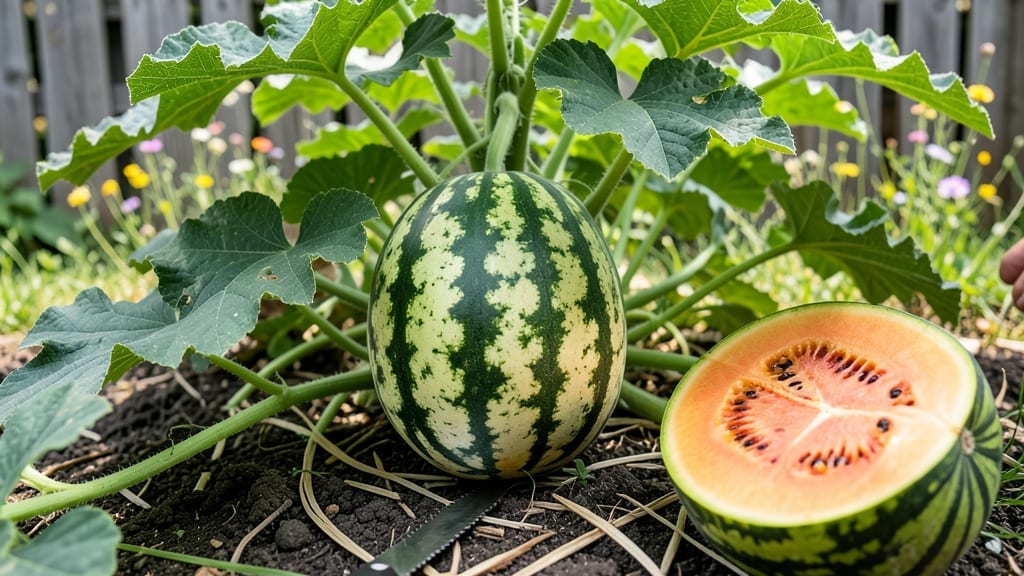
To know when to pick watermelon from garden, watch for the tendril nearest the fruit turning brown and the rind developing a dull, creamy color 🍉 — these are the two most reliable signs of ripeness.
Nothing beats the satisfaction of biting into a perfectly ripe watermelon straight from your garden—but knowing when to harvest can be tricky. Skip the guesswork and learn the foolproof signs that guarantee sweet, juicy perfection every time.
Most gardeners make the mistake of relying on size alone, but a watermelon’s true readiness hides in the details: the field spot’s depth, the stem’s dryness, and even how it sounds when tapped. I’ll walk you through each test so you never miss the sweetest moment.
From Zone 6a to the hottest summer days, these tricks work year after year. By the end, you’ll harvest melons at their peak—no overripe mush or underripe disappointment in sight.

5 Visual and physical signs your watermelon is ready to harvest
Harvesting watermelons at the perfect moment transforms your garden into a sweet, juicy treasure chest. But how do you know when that watermelon is truly ripe? Relying on days since planting or vine color alone can lead to disappointment.
Instead, focus on these five foolproof visual and physical signs that guarantee a melon bursting with flavor.
I’ve learned the hard way—overripe watermelons turn mushy, while underripe ones taste bland. The key is combining color cues, tactile tests, and structural changes in the plant.
These indicators work for heirloom, seedless, and hybrid varieties alike, so you can trust them whether you’re growing Crimson Sweet or Sugar Baby.
- 1 Field Spot Development: Look for a creamy yellow spot where the melon rests on the ground. This field spot indicates ripeness, especially in varieties like Charleston Gray. Avoid picking melons without this spot—it’s a red flag for immaturity.
- 2 Tendril Drying: Check the small curly tendril near the stem. When it turns brown and crispy, it’s a clear signal the melon is ready. Pro tip: Gently tug it—if it snaps easily, your watermelon is prime for harvest.
- 3 Rind Color Change: The rind shifts from matte green to a dull, slightly waxy finish. Press your fingernail into the skin near the blossom end—if it doesn’t puncture easily, the melon is ripe. Avoid shiny or overly green rinds.
- 4 Stem Shriveling: The stem near the fruit should feel dry and papery. Twist it gently—if it snaps cleanly (not pulling away with resistance), the melon is ready. A green, flexible stem means it needs more time.
- 5 Uniform Size and Shape: While size varies by variety, a ripe watermelon should feel heavy for its size and have a smooth, symmetrical shape. Lopsided or uneven melons often lack full ripeness. Weigh it in your hand—heftier melons are sweeter!
Don’t overlook the blossom end (the opposite side of the stem). It should be yellowing or lightening in color, not green. This is another subtle clue that the melon has matured. I once ignored this sign and ended up with a Sugar Baby that was still rock-hard inside—lesson learned!
Climate plays a role too. In hot, dry summers, watermelons ripen faster, so check these signs every 2-3 days. In cooler regions, extend your checks to every 4-5 days.
Always harvest before the first frost—even a light freeze ruins the flavor. Use a sharp pruning saw to cut the stem, leaving a 1-inch stub to prevent rot.
Once you’ve confirmed all five signs, it’s time to celebrate! Store your harvest in a cool, shaded spot (50–55°F) for up to 2 weeks. For immediate enjoyment, slice open a melon and taste the difference between perfect ripeness and guesswork.
Your garden will thank you for the patience—and your taste buds will reward you with every bite.
Pro tip: Take photos of your ripe watermelons as reference for next season. I keep a gardening journal with notes on varieties, ripening times, and weather patterns. It’s become my secret weapon for foolproof harvests year after year.
How to test watermelon ripeness using sound and thump techniques
When it comes to harvesting watermelons, visual cues like tendril color and rind texture are helpful—but sometimes you need a little extra confirmation. That’s where the classic thump test and lesser-known sound techniques come into play.
These methods rely on the internal science of watermelon ripeness, where changes in water content and sugar development create distinct auditory and tactile signals.
Most gardeners know to tap the melon and listen for a hollow sound, but few realize that knocking on the rind can reveal even more about its ripeness. The key is understanding how these tests correlate with internal sugar levels and seed maturity.
A ripe watermelon isn’t just about color—it’s about the acoustic properties of its flesh and rind.
⚠️ callout-warning
While thump tests are useful, they’re not foolproof. Small watermelons or those with thick rinds may sound hollow even when underripe. Always combine sound tests with visual and tactile checks (like tendril color and stem dryness) for the most accurate results.
💡 Pro Tip: Test melons in the morning when temperatures are cooler—this reduces false "hollow" sounds caused by warm air expanding inside the fruit.
To perform the thump test, gently tap the watermelon’s blossom end (the side that faced the ground) with your knuckles. A ripe melon will produce a deep, hollow echo, almost like knocking on a wooden door.
If it sounds dull or flat, it’s likely not ready. This works because ripe watermelons have less dense flesh due to increased sugar content and reduced water concentration.
For a more precise test, try the knock-and-listen method. Hold the watermelon with one hand and knock on the rind with your fingernail. A ripe melon will emit a clear, ringing note, while an underripe one will sound muffled.
This technique highlights differences in rind thickness and internal air pockets, which develop as the fruit matures.
Don’t forget to check the stem end for dryness—it should snap easily when bent. Combine this with your sound tests for a three-step verification: visual (tendril color), tactile (stem dryness), and auditory (thump/knock response). When all three align, you’ve got a winner!
🌱 Remember, watermelons continue ripening off the vine for a few days, so don’t wait until the last possible moment. Once you’ve confirmed ripeness with these techniques, harvest within 24 hours to preserve peak flavor and texture.