
How To
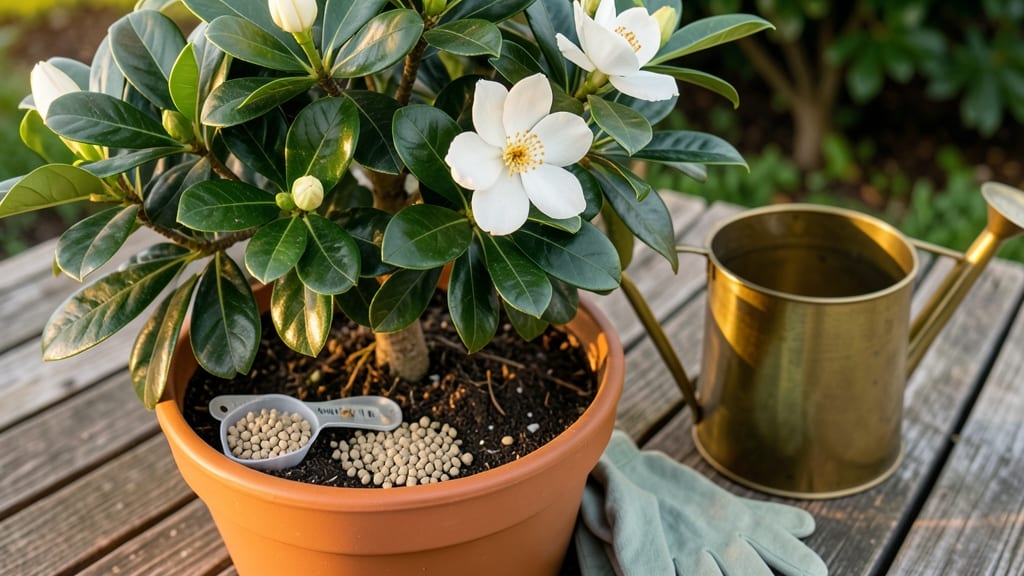
To fertilise gardenias at the right time means the difference between a shrub bursting with fragrant 🌸 blooms and one struggling to grow.
Picture this: You’ve just planted your gardenia, eager for those iconic white flowers, only to realize months later it’s barely budding. The issue? Timing your fertilizer wrong can leave your plant starved or burned—neither of which helps it thrive.
Gardenias in USDA Zone 6 (like most of the U.S.) need feeding twice a year: once in early spring to kickstart growth and again in late summer to prep for blooming season.
But there’s more to it than just the calendar—soil acidity, fertilizer type, and even your local climate play a role.
In this guide, I’ll break down the exact when, what, and how of fertilizing gardenias, so you can avoid common mistakes and give your plant the care it deserves for lush, fragrant blooms all season long.
Best times to fertilise gardenias for maximum blooms: spring and fall schedule
Timing your gardenia fertilizing is like hitting a golf swing—perfect execution leads to vibrant blooms, while poor timing leaves you with stunted growth or burned foliage. The best windows are early spring and late fall, aligning with your plant’s natural growth cycles.
Spring kickstarts new shoots, while fall preps roots for winter dormancy. Miss these windows, and you’ll struggle with fewer flowers or yellowing leaves.
Gardenias thrive when fertilized after the last frost (around April in Zone 6) and before the first frost (around October). These periods sync with soil warming to 60°F+—the ideal temperature for root activity.
Skipping spring feeding means missed growth spurts, while fertilizing in fall risks tender new shoots that won’t survive winter. Think of it as feeding before a marathon, not during recovery.
Here’s the golden rule: Feed in spring to fuel blooms, skip in summer (unless leaves yellow), and avoid in fall/winter. Over-fertilizing in summer stresses plants, while winter feeding wastes nutrients.
Your goal? Balanced growth without nutrient burnout. Let’s break down the exact schedule and why it works.
🌱 Comparison Table: Spring vs. Fall Fertilizing for Gardenias
| Season | Best Time | Soil Temp | Fertilizer Type | Purpose |
|---|---|---|---|---|
| Spring | Early April–May | 60°F+ | Slow-release acidic | Stimulate new growth |
| Summer | June–August | 70°F+ | Light feed (optional) | Maintain blooms (avoid excess) |
| Fall | Late September–October | 55°F–60°F | None (skip) | Prep for dormancy |
| Winter | November–March | Below 50°F | None | Dormant period |
Spring fertilizing is your power move—apply a slow-release acidic fertilizer (like 10-10-10) when soil hits 60°F. This triggers root expansion and bud formation. I use 1 tbsp per plant in early April, then repeat in May.
Pro tip: Water deeply before and after to prevent root burn. Think of it as jumpstarting a car battery—timing matters more than quantity.
Fall is all about prevention. Avoid fertilizing after September 1st—new growth won’t harden off before frost. Instead, focus on mulching (2–3 inches of pine bark) to insulate roots.
This mimics nature’s winter prep, where gardenias conserve energy for next year’s blooms. Skipping fall feeding reduces stress and boosts resilience.
Climate matters! In warmer zones (8+), extend spring feeding to June, but stop by July to avoid heat stress. In colder zones (5-), delay until mid-May when soil warms.
Use a soil thermometer—60°F+ is your green light. Cold soil locks out nutrients, making fertilizer a waste. Test it yourself: Stick your finger 2 inches deep—if it’s chilly, wait.
Common mistakes? Over-fertilizing in summer causes leaf burn and fewer blooms. Gardenias store nutrients in spring, so summer feeds should be light or nonexistent. Another pitfall: Using alkaline fertilizer (like 16-4-8) raises soil pH, locking out iron and magnesium. Always choose acid-loving formulas (pH 5.0–6.0).
For container gardenias, halve the fertilizer amount but follow the same spring/fall rule. Potted plants dry out faster, so water before feeding to avoid salt buildup. I’ve seen container gardenias bloom 3x more with this tweak!
Also, flush soil every 6 months with water + vinegar (1:4 ratio) to reset pH. It’s like giving your plant a spa day.
Ready to transform your gardenias? Start with early spring feeding, skip summer, and avoid fall/winter. Pair this with consistent watering (morning only) and partial shade, and you’ll see double the blooms next season. Trust the process—your
How to choose the right fertilizer for gardenias: acid-loving plant essentials
Gardenias thrive when given the right nutrients, but choosing the wrong fertilizer can stunt their growth or even kill them. These acid-loving plants need a specific balance of nutrients and soil conditions to produce their signature fragrant blooms.
The key lies in selecting a fertilizer that matches their NPK needs while maintaining acidic soil—typically between pH 5.0–6.0.
Start by testing your soil’s pH level with a kit or meter. If it’s too alkaline, amend it with sulfur or peat moss to lower the pH gradually. Gardenias also require micronutrients like iron and magnesium, which synthetic fertilizers often lack.
Organic options, like fish emulsion or composted pine bark, can provide these essentials naturally while improving soil structure over time.
For best results, opt for a balanced fertilizer with an NPK ratio of 10-10-10 or an acid-loving plant formula like 8-3-9. The lower phosphorus (middle number) helps encourage blooms without excessive foliage growth.
Always apply fertilizer in early spring when new growth begins and again in mid-summer to support flowering, but avoid fertilizing in fall or winter when the plant is dormant.
When to Fertilise Gardenias for Optimal Growth
- 🌱 Early Spring (March-April)
- ✂️ Apply slow-release granules after pruning
- 💧 Water deeply afterward to activate nutrients
- ☀️ Mid-Summer (June-July)
- 🌸 Use liquid feed (1 tbsp per plant) for blooms
- ❄️ Fall & Winter (Skip)
- 🌿 Let plant rest—no fertilizing needed
Avoid synthetic fertilizers with high nitrogen content, like lawn fertilizers, as they promote leafy growth at the expense of flowers.
Instead, choose acid-loving plant formulas or organic options like cottonseed meal, which provides nitrogen while lowering soil pH. Always follow package instructions for application rates, and never fertilize when the plant is stressed or during extreme heat.
If your gardenias show signs of yellow leaves or poor blooming, they may need a micronutrient boost. Use a chelated iron supplement for chlorosis (yellowing between veins) or Epsom salt (magnesium sulfate) for leaf discoloration.
Always apply these treatments to moist soil and water thoroughly afterward to prevent root burn.
Consistency is key—stick to your fertilizing schedule and monitor your gardenias’ response. With the right nutrients and soil conditions, you’ll enjoy vibrant blooms and lush foliage all season long. Happy gardening! 🌸