
How To
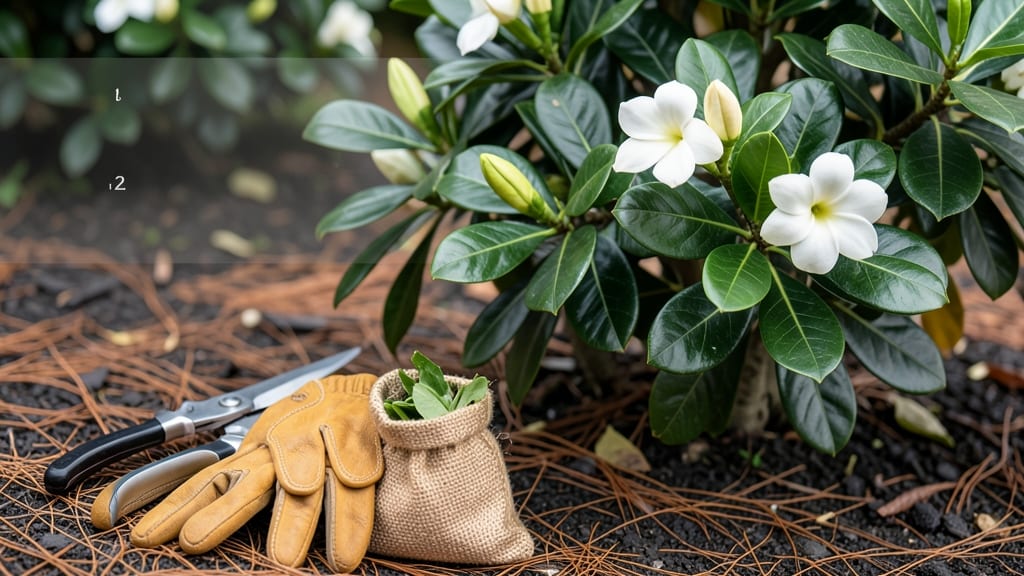
To cut back gardenia bushes at the right time ensures vibrant blooms next season while avoiding stress on the plant 🌸 — aim for late winter, just before new growth starts.
Struggling to keep your gardenia bush blooming beautifully? The secret lies in timing—pruning at the wrong moment can stunt growth or even kill your plant. Learn the exact late-winter window to cut back gardenias for lush, fragrant blooms next season.
This isn’t just about snipping branches—it’s about working with nature. Gardenias thrive when pruned during dormancy, typically between January and early March in most regions (USDA Zones 6a-10a).
In this guide, I’ll walk you through the step-by-step process, including the tools you’ll need, how to make clean cuts, and post-pruning care to set your gardenia up for a showstopping spring display.
Why late winter is the best time to prune gardenia bushes
Pruning your gardenia bush at the right time can transform its growth and blooming potential. While many gardeners rush to trim in early spring, late winter is actually the optimal window for this task.
This timing aligns perfectly with the plant's natural dormancy cycle, allowing it to heal quickly and burst into vigorous new growth when spring arrives.
The science behind late winter pruning is fascinating. When gardenias enter dormancy in late fall, they store energy in their roots and stems. Pruning in late winter—just before new buds form—stimulates fresh growth without depleting the plant's reserves.
This careful timing also minimizes stress and reduces the risk of disease entry points that can occur with wet spring conditions.
For gardeners in USDA Zones 7-10, late winter typically falls between February and early March. In colder zones (6a-6b), aim for late March to April when frost danger has passed.
The key is to prune after the last frost but before the plant shows signs of active growth, usually when daytime temperatures consistently reach 55°F (13°C).
Regional variations matter because climate affects dormancy length. In Southern states (Zones 8-10), gardenias may stay semi-dormant longer, so prune in late January to February. Meanwhile, in Northern zones (6a-7a), wait until April to avoid frost damage. Always check your local frost dates to time it perfectly.
Pruning at this time also helps maintain the ideal shape of your gardenia bush. Late winter cuts encourage airflow and sunlight penetration, which prevents fungal diseases like powdery mildew and botrytis blight.
Plus, removing old wood makes room for new, flowering branches that will produce those coveted fragrant blooms in summer.
Another critical reason for late winter pruning is bud formation timing. Gardenias form flower buds on new wood, meaning you want to stimulate fresh growth without disturbing the buds that are already developing.
Pruning too early can remove potential bloom sites, while waiting too long risks overgrown branches that shade out the center of the plant.
Let’s break down the exact timing and conditions for pruning in your region using this quick reference:
| USDA Zone | Best Pruning Window | Key Condition | Temperature Threshold |
|---|---|---|---|
| 6a-6b (Cold Climates) | Late March to April | After last frost | 55°F (13°C) daytime temps |
| 7a-7b (Temperate) | February to early March | Before bud swell | 50°F (10°C) night temps |
| 8a-9b (Warm Climates) | Late January to February | Dormant but not frozen | 45°F (7°C) minimum |
| 10a (Hot Climates) | December to January | After rainy season | 60°F (15°C) stable temps |
Pruning in late winter also gives your gardenia time to recover before summer heat sets in. The plant can focus its energy on root and branch development rather than dealing with the stress of new cuts during peak growing season.
This preparation leads to healthier, more resilient plants that produce abundant blooms from mid-summer to fall.
One common misconception is that pruning in late winter will delay blooming. The opposite is true! When done correctly, late winter pruning accelerates flower production by encouraging the growth of new wood, which is where gardenia blooms form.
Just avoid cutting back more than one-third of the plant at once, as this can shock the system and reduce flowering.
For gardeners in coastal or humid regions, late winter pruning also helps reduce humidity-related diseases. Improved airflow from strategic cuts prevents moisture from lingering on leaves and branches, creating a less hospitable environment for pathogens.
This is especially important for gardenias, which are prone to fungal infections in damp conditions.
Finally, late winter pruning allows you to assess the plant’s health before the growing season. You’ll spot any dead or diseased wood that needs removal, ensuring your gardenia starts the year strong.
Combine this with a light fertilization after pruning (using an acid-loving plant fertilizer), and you’ll set the stage for a bloom-filled summer.
Step-by-step guide to pruning gardenia bushes for maximum blooms
Pruning your gardenia bush at the right time is the key to unlocking next year’s fragrant blooms. Unlike many shrubs, gardenias bloom on new wood, so timing matters more than you might think.
If you prune too early or too late, you risk cutting off next season’s flower buds. Let’s walk through the exact steps to revive your gardenia’s growth and ensure a stunning display of white, waxy blooms.
Your gardenia bush thrives when pruned during its dormant phase, which is typically late winter—just before new growth begins. This is when the plant is resting but hasn’t yet started pushing out fresh leaves or flowers.
For most regions in the U.S. (USDA Zones 6-10), this window falls between mid-February and early March. However, if you’re in a warmer zone, like Zone 10, you might extend this to late February or early March.
🌱 Step-by-Step Guide to Pruning Gardenia Bushes
-
Step 1: Choose the Right Time
- Prune during late winter (mid-February to early March) in USDA Zones 6-9.
- For Zone 10, aim for late February to avoid early spring growth.
- Check for bud swell—prune just before buds begin to open.
-
Step 2: Gather the Right Tools
- Use sharp, sterilized pruning shears (avoid dull tools that tear branches).
- Have rubbing alcohol (70% or higher) and a clean cloth ready.
- Wear gloves—gardenia leaves can be irritating to sensitive skin.
-
Step 3: Sterilize Your Tools
- Wipe shears with rubbing alcohol before and after each cut.
- This prevents bacterial or fungal infections from spreading.
-
Step 4: Remove Dead or Diseased Branches
- Cut out dead, broken, or diseased wood first—these can harbor pests.
- Look for dark spots, mushy stems, or no leaves.
-
Step 5: Shape the Bush
- Trim back overgrown branches to maintain a balanced shape.
- Cut just above a leaf node at a 45-degree angle.
- Avoid cutting into old wood—focus on new growth.
-
Step 6: Thin Out Crowded Areas
- Remove 1/3 of the oldest branches to encourage new growth.
- This improves air circulation and reduces disease risk.
-
Step 7: Post-Pruning Care
- Apply a balanced acid fertilizer (like 10-10-10) 2-3 weeks after pruning.
- Water deeply (1-2 gallons) to help roots recover.
- Avoid heavy watering for 24 hours after pruning to prevent fungal issues.
After pruning, your gardenia bush will need extra care to recover and prepare for spring blooming. Start by applying a slow-release, acid-loving fertilizer like Azalea/Camellia blend to replenish nutrients lost during pruning.
Water deeply but avoid soggy soil, as gardenias hate waterlogged roots. Aim for morning watering to let excess moisture evaporate before nightfall.
Keep an eye out for new growth in early spring—this is your sign that the pruning was successful! If your gardenia doesn’t bounce back within 4-6 weeks, it might need additional care, like adjusting its soil pH or providing more partial shade.
With the right timing and technique, your gardenia will reward you with abundant, fragrant blooms all season long.
Remember, the key to pruning gardenias is patience and precision. Rush the process, and you risk damaging next year’s flowers. Take your time, follow these steps, and your gardenia will thrive for years to come. Happy pruning! 🌸