
How To
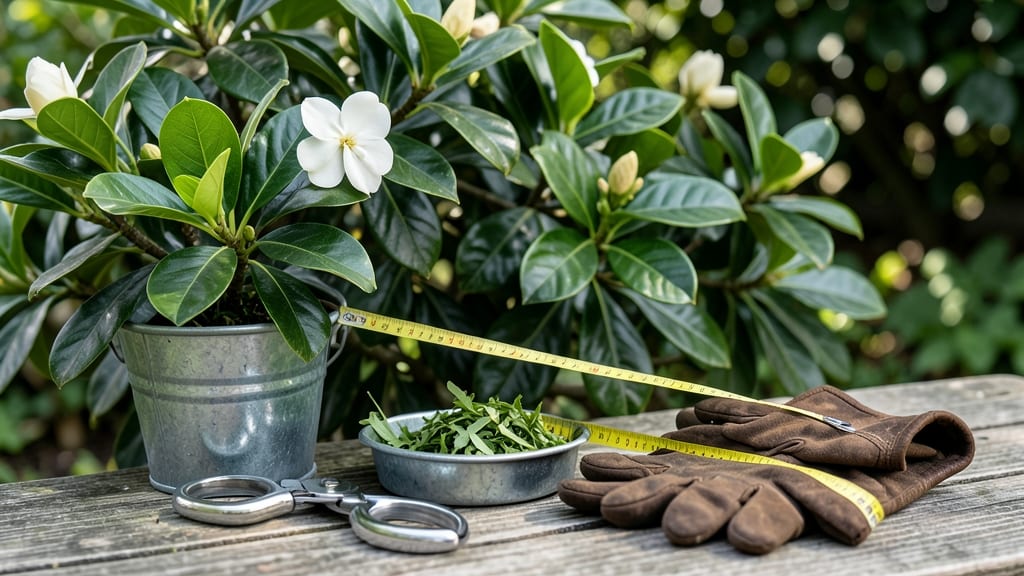
Cutting back gardenias too far can actually kill their blooms, but knowing the right distance and timing makes all the difference for lush, fragrant growth.
If you’ve ever pruned your gardenias 🌸 only to see fewer flowers the next season, you’re not alone. Many gardeners accidentally over-prune, thinking more cuts mean healthier plants. But the truth is, gardenias thrive when you trim strategically—not aggressively.
In this guide, I’ll show you exactly how far you can safely cut back gardenias in each season, when to avoid pruning altogether, and the simple techniques that keep your shrubs blooming year after year.
You’ll also discover how to spot common pruning mistakes (like cutting at the wrong angle) and how to sterilize your tools to prevent disease—so your gardenias stay vibrant and healthy.
Seasonal pruning guidelines: how far to cut back gardenias for optimal growth
Pruning your gardenias correctly is the secret to maintaining their lush foliage and fragrant blooms. Unlike many shrubs, gardenias thrive when pruned with precision—cutting too aggressively can shock the plant, while neglecting pruning leads to leggy growth and fewer flowers.
The key lies in understanding seasonal timing and cutting distances that encourage healthy regrowth without stressing the plant.
Gardenias produce new growth from buds located near old wood, so pruning at the wrong time can remove next year's blooms. For example, cutting back too late in the season may leave no time for new shoots to harden off before winter.
Let’s break down the exact pruning rules for each season, including how far to trim stems to maximize blooms and foliage.
Pro Tip: Always use sterilized pruners and cut at a 45-degree angle just above a leaf node or bud. This ensures clean wounds that heal faster and reduces disease risk. Now, let’s dive into the seasonal guidelines.
| Season | Pruning Goal | How Far to Cut Back | Best Time to Prune | Avoid Pruning If... |
|---|---|---|---|---|
| Spring | Shape plant and remove dead wood | Cut back 1/3 of last year’s growth (up to 12-18 inches from base) | Early spring (after last frost) | New buds are visible (pruning too late removes blooms) |
| Summer | Encourage new blooms and airflow | Light trimming only (trim spent blooms and 1-2 inches above leaf nodes) | After blooming (June-July) | During heatwaves (stresses the plant) |
| Fall | Prepare for dormancy and remove weak growth | Cut back dead or crossing branches (no major pruning—avoid heavy cuts) | Early fall (September) | After first frost (damages new growth) |
| Winter | No pruning—plant is dormant | Do not prune (wait until spring) | N/A | Pruning removes next year’s buds |
Spring is the best time to give your gardenias a major haircut. Aim to remove up to 1/3 of last year’s growth, which typically means cutting back stems to 12-18 inches from the base.
This encourages a fuller shape and stimulates new growth for the blooming season. Focus on removing dead, diseased, or crossing branches first, then thin out the center to improve airflow.
In summer, pruning should be minimal and strategic. The goal is to maintain the plant’s shape and encourage new blooms by trimming only spent flowers and lightly shaping the shrub.
Cut just above a leaf node or bud to promote new growth. Avoid heavy pruning during summer heat, as it can stress the plant and reduce flowering.
Fall pruning is all about preparation. Limit cuts to removing dead or weak branches—avoid heavy pruning, as new growth won’t have time to harden off before winter.
If you must prune, do so in early September to allow time for recovery. Never prune after the first frost, as cold temperatures can damage tender new shoots.
Winter is a no-prune zone for gardenias. Pruning during dormancy removes next year’s flower buds, which form on old wood. Instead, focus on mulching the base of the plant to protect roots and watering sparingly if the ground isn’t frozen.
This is the time to plan your spring pruning strategy.
To stimulate new growth after pruning, apply a balanced, acid-loving fertilizer (like 10-10-10) in early spring. Water deeply after pruning to help the plant recover, and keep the soil consistently moist but not soggy.
Gardenias thrive in well-draining, acidic soil, so a light layer of mulch (like pine bark) will help maintain ideal conditions.
If your gardenias aren’t blooming as expected, over-pruning or pruning at the wrong time are likely culprits. Always prune with the seasonal guidelines in mind, and you’ll enjoy vibrant blooms and lush foliage year after year.
With the right technique, your gardenias will reward you with fragrant, show-stopping flowers for seasons to come.
Common pruning mistakes that kill gardenia blooms (and how to fix them)
Pruning your gardenias can feel like a delicate dance—cut too much or at the wrong time, and you risk stunting blooms or even killing your plant. I’ve seen gardeners accidentally turn lush, fragrant gardenias into leggy, sparse shrubs by making these simple mistakes.
The good news? Most pruning errors are easily reversible with the right approach.
One of the biggest misconceptions is that gardenias need aggressive pruning to thrive. In reality, these shrubs are sensitive to over-pruning, and cutting back too far can shock the plant into producing fewer flowers or none at all.
Even well-meaning gardeners often prune at the wrong time of year, which can disrupt the plant’s natural blooming cycle.
Another critical error is cutting stems at the wrong angle or leaving stubby, uneven cuts. These wounds can invite disease and slow down healing. Plus, improper cuts often lead to uneven regrowth, making your gardenia look messy instead of manicured.
Let’s fix these mistakes step by step so your gardenias can rebound with vibrant, fragrant blooms.
⚠️ How Far Can You Cut Back Gardenias?
Maximum safe cut: Never remove more than 1/3 of the plant’s height in a single pruning session. For mature gardenias, this means trimming back no more than 12-18 inches from the top or sides. Cutting beyond this can stress the plant and reduce flowering.
Best practice: Focus on shaping and thinning rather than drastic reductions. Remove dead, diseased, or crossing branches first, then prune to open the center for airflow. This encourages new growth and blooms without shocking the plant.
Timing is everything when it comes to pruning gardenias. Many gardeners make the mistake of pruning in late summer or fall, which can prevent the plant from setting next year’s buds.
The ideal time to prune is right after blooming, typically in late spring or early summer. This gives the plant time to recover and prepare for its next flowering cycle.
If you’ve already over-pruned, don’t panic. Start by reducing watering slightly to help the plant focus on recovery rather than new growth. Apply a balanced, acid-loving fertilizer (like 10-10-10) to support regrowth, and keep the soil consistently moist but not soggy.
Within a few weeks, you should see new shoots emerging from the base or along the stems.
For gardenias that have been neglected and look woody or bare, you can perform a renewal pruning in early spring. This involves cutting back up to 1/3 of the oldest wood to encourage fresh growth.
Just be sure to sterilize your pruners with rubbing alcohol first to prevent spreading disease. Pair this with a layer of mulch to protect roots and retain moisture.
Remember, the goal of pruning gardenias isn’t just to shape the plant—it’s to encourage healthy, abundant blooms. By avoiding these common mistakes and focusing on gentle, timed pruning, you’ll transform your gardenias into a fragrant, flowering powerhouse.
With patience and care, even the most over-pruned gardenia can bounce back stronger than ever.